
Kasper Schmeichel Retires: A Warrior Keeper's Journey
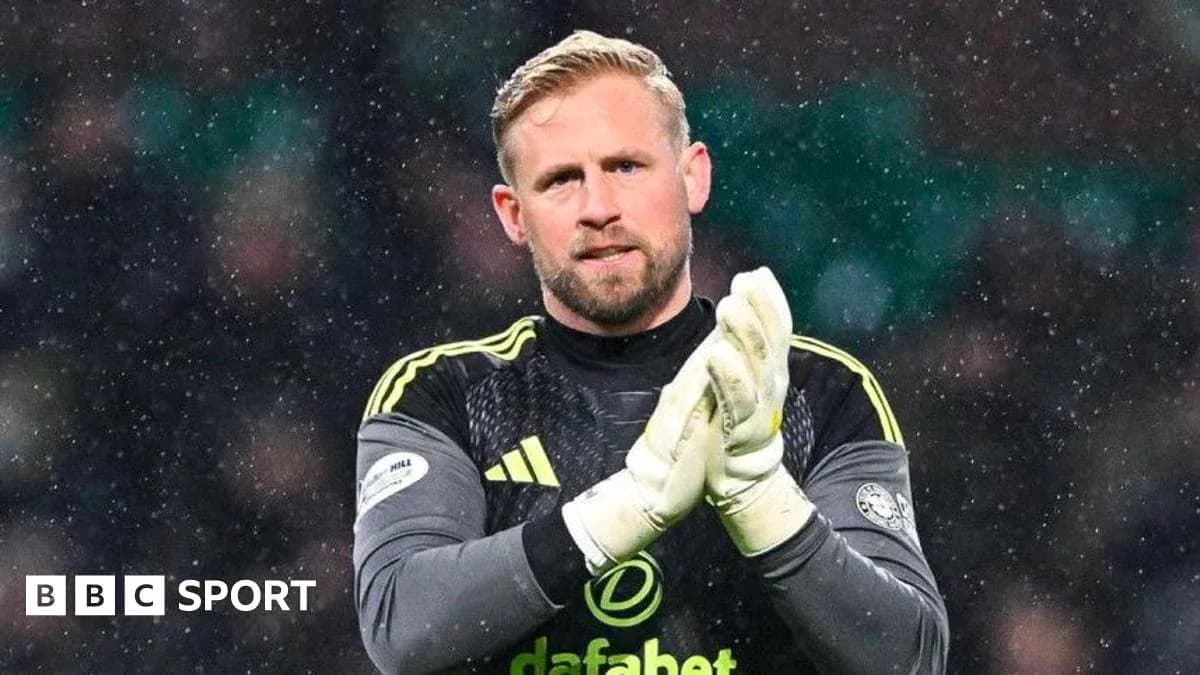
Kasper Schmeichel never planned to leave like this. Not limping quietly out of the game on a surgeon’s verdict, but walking away on his own terms, gloves on, in front of a crowd.
Football had other ideas. Or, more precisely, his shoulder did.
At 39, the Celtic and Denmark goalkeeper has announced his retirement after failing to recover from a serious shoulder injury that has kept him out since February. Out of contract in Glasgow this summer and out of options medically, he has accepted that the final whistle has blown on a remarkable career.
“I believe that now is the right time,” he told TV2, a line that sounds decisive but is laced with resignation. He later admitted it was “a decision that has been made for me”.
The injury that wouldn’t let go
The damage traces back to March 2025, in a Nations League quarter-final against Portugal. Denmark had used all their substitutes. Schmeichel went down, hurt badly, but stayed on because he had to. Classic goalkeeper mentality: you play until something physically stops you.
It turns out something did.
He aggravated the same shoulder again 11 months later in Celtic’s Europa League defeat to Stuttgart. This time, there was no playing through it. The pain lingered, the scans painted a bleak picture, and the months on the sidelines rolled by.
“I didn't realise how bad it was back in March. It's been a long process,” he said. “When I landed on it in February, I could tell straight away that something was seriously wrong.”
He chased every option. He was prepared for up to a year of rehabilitation if that’s what it took. But the experts closed the door he was trying to keep open.
“I have consulted with various surgeons and experts regarding my shoulder, and they have told me that I should not expect to return to playing top-flight football.”
For a man who has built a life on defying odds and denying certainties, that was the one verdict he couldn’t parry away.
A career built in the shadow, and then beyond it
From the first day he pulled on a pair of gloves, his surname carried weight. Being the son of Peter Schmeichel, the Manchester United great, was both a blessing and a burden.
He started at Manchester City, not United, carving out his own path in the same city where his father became a legend. The early years were restless, a series of loans and stops that could easily have led to an ordinary career.
Then came Leicester City. Ten seasons. Ten years of defiance.
He stood in goal as Leicester tore up every script in English football, winning the Premier League in 2015-16 in one of the sport’s greatest shocks. He added the FA Cup in 2021, another piece of history for a club that had spent decades on the margins.
Those nights, those saves, those celebrations – that’s when Kasper stopped being “Peter’s son” and became his own reference point.
Spells at Nice and Anderlecht followed, before the move to Celtic, where he slotted into another fevered football city and another gold-and-green title race.
This season alone, even as his body began to rebel, he still played 39 times for Celtic and collected a second Premiership winners’ medal in his two years in Glasgow. He leaves with the respect of one demanding fanbase and the gratitude of another.
Denmark’s last line of resistance
For Denmark, he was more than a goalkeeper. He was a constant.
Schmeichel bows out with 120 caps, a giant of the national team in his own right. He played at the World Cup in 2018 and 2022, and stood in goal during Denmark’s stirring run to the semi-finals of Euro 2020.
In a generation that had to live with memories of his father lifting the European Championship in 1992, Kasper authored his own chapter, not as a pale imitation but as a leader of a new era.
He will not get the farewell cap, the choreographed ovation, the slow walk around the pitch. But the numbers and the moments he leaves behind need no embellishment.
No grand farewell, just gratitude
“I think everyone dreams of saying goodbye on the field, but you don't always get what you want,” he admitted. It’s the raw truth of a career that ends on a treatment table rather than a touchline.
Yet there is no bitterness in his words.
“I've had so much else along the way, so football doesn't owe me anything. I've had so many opportunities, so many experiences.
“What stands out most are the friendships and connections I've made. The moments I've shared with them – for better or worse.”
It is a fitting final reflection from a goalkeeper who spent two decades standing apart from his team-mates physically, yet always felt at the heart of every dressing room he walked into.
No lap of honour. No final save. Just a quiet decision, a damaged shoulder, and a career that will be remembered from Leicester to Glasgow and across Denmark.
The gloves are off now. The legacy stays exactly where he left it.
Related News

Wilfred Ndidi’s Marriage Reportedly Ends as He Enters New Relationship
Cristiano Ronaldo's Top 5 Most Valuable Cars in His Extraordinary Collection
Ben Whittaker’s Challenge to Prove Eddie Hearn’s Bold British Boxing Bet
Peter Handscomb on the Challenge of Facing Indian Bowlers
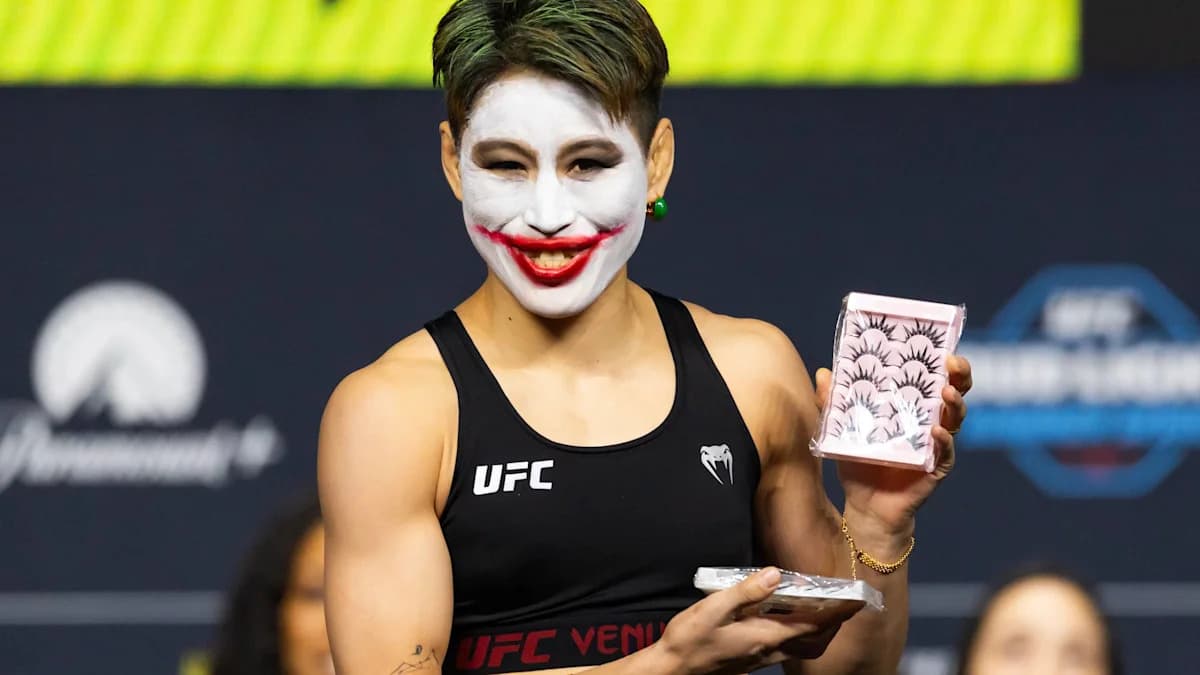
How to Watch UFC 332: Silva vs. Wang Live on CBS and Paramount+ This Saturday
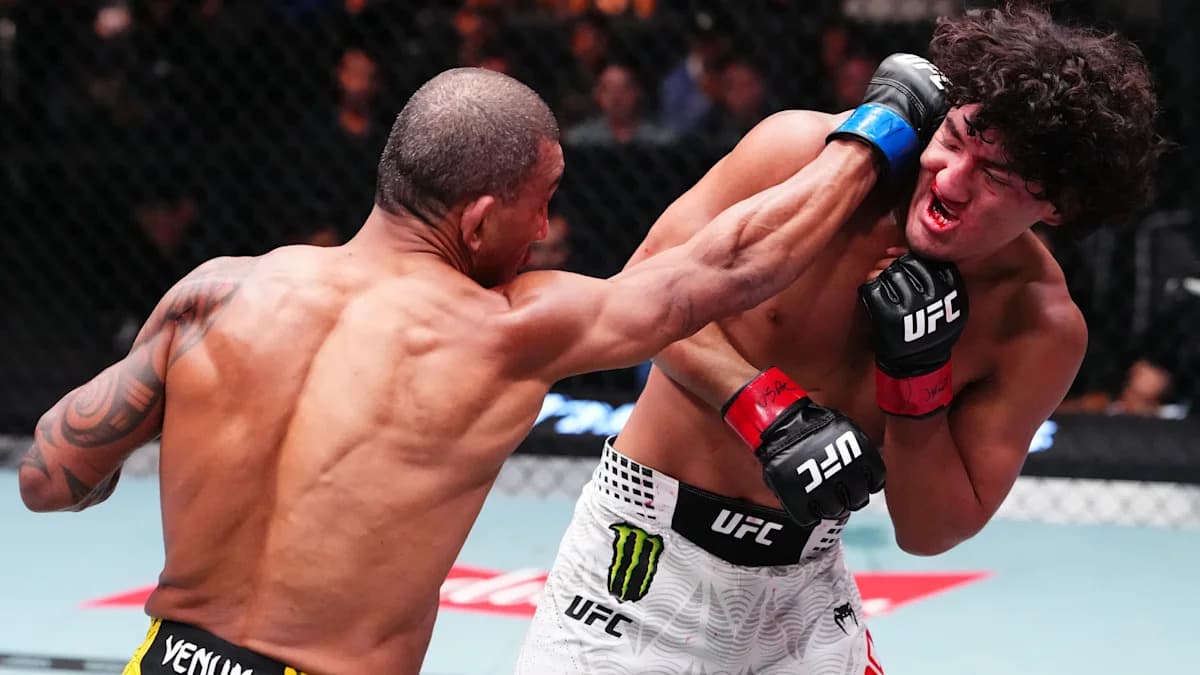
Raul Rosas Jr. Shares His Thoughts on the Shocking UFC Vegas 121 Finish Against Raoni Barcelos