
Lamine Yamal's World Cup Journey: Injury and Recovery
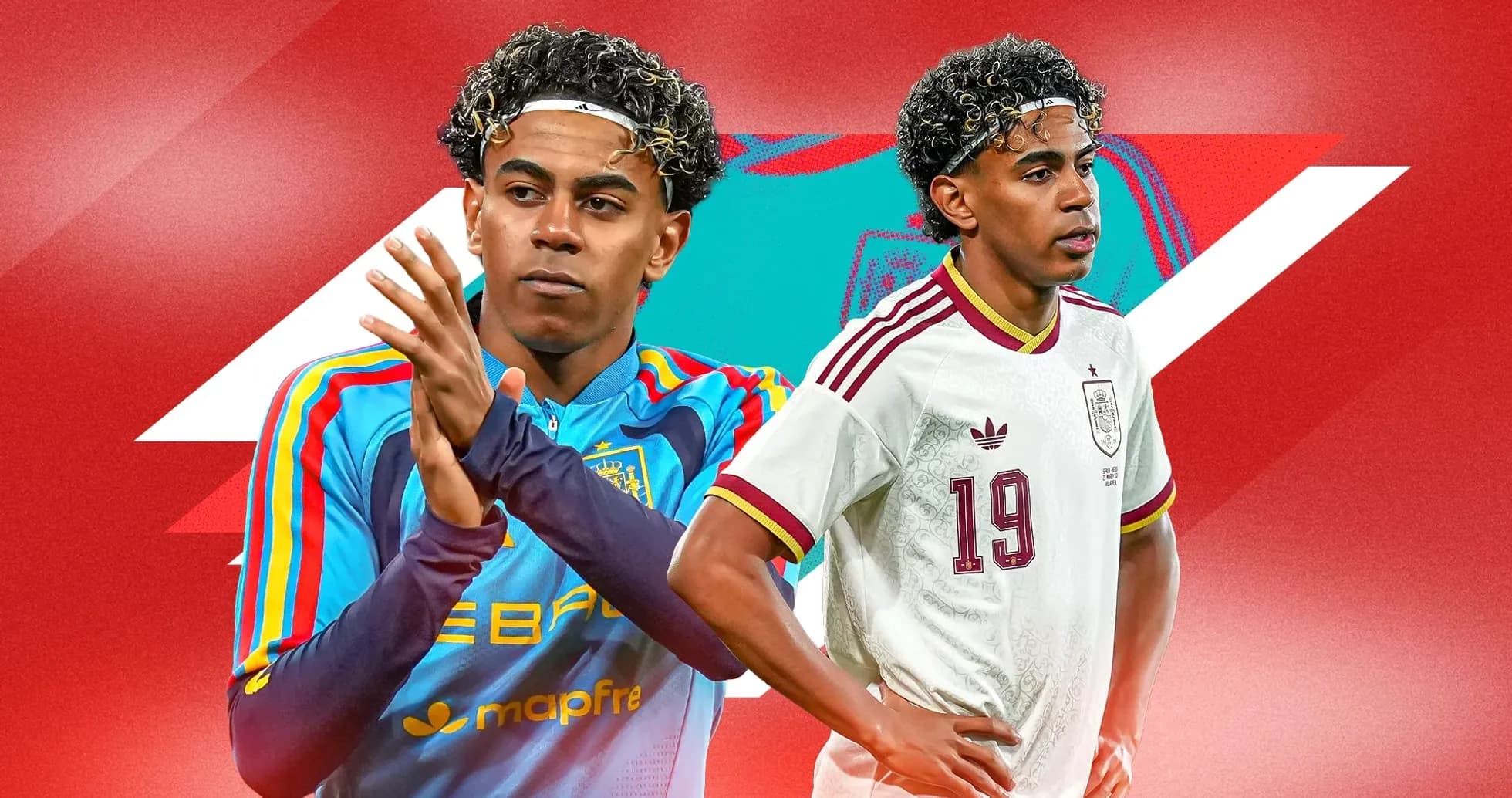
Lamine Yamal’s World Cup race began with a goal, a grimace and a jolt of panic.
Seconds after rolling home the winning penalty against Celta Vigo on April 22, Barcelona’s teenage phenomenon turned to the bench, sank to the turf and clutched his left leg. Team-mates who had sprinted over to celebrate suddenly slowed. The noise inside the stadium changed. Joy gave way to fear.
He has not played a minute since.
A season of brilliance, interrupted
Initial reports were brutal: Barca feared a torn left hamstring, an injury that can take up to eight weeks to heal and even longer to trust again. For a player whose game is built on explosive changes of direction and sudden bursts of acceleration, the diagnosis felt ominous.
Barcelona tried to calm the storm. Medical tests confirmed a hamstring injury in his left leg, the club said, but stressed that Yamal would follow a conservative treatment plan. His league season was over, yet the message from the Camp Nou remained clear: he was expected to be ready for the World Cup. Hansi Flick echoed that stance, a public reminder of just how central the teenager has become to Spain’s ambitions.
This was not an isolated setback. Yamal’s breakout campaign has been threaded with interruptions. At the very start of the season he missed five games with pubalgia, the chronic groin problem that also dogged Cole Palmer at Chelsea through much of 2025-26. It is the sort of injury that stalks players like Yamal: quick-footed, constantly twisting, always driving at defenders. It can be especially cruel to young footballers suddenly exposed to the relentless intensity of first-team football.
The issue sparked a flashpoint in September. Yamal aggravated the groin problem on international duty with Spain, prompting accusations that La Roja had failed to “take care” of their new jewel. Barcelona pushed back, and he stayed away from the November camp. Nobody at the club wants to relive that tug-of-war in the middle of a World Cup.
Back on the grass, but how ready?
The mood shifted again in late May. Yamal posted a video from Barcelona’s training base: back on the grass, ball at his feet, moving with familiar arrogance. In one clip he flicks the ball impudently over a training dummy with his heel before slipping a pass inside, a small but pointed answer to doubts about his sharpness.
Two days later, his name appeared – inevitably – in Spain’s World Cup squad. De la Fuente was never likely to leave him at home, not with nearly three weeks still to go before Spain open their campaign against Cape Verde on June 15.
Yet this is a gamble. World Cup history is littered with managers who rolled the dice on half-fit stars. Yamal is about to join that list. Reports in Spain suggest he might not be available until the third group game, against Uruguay on June 27.
According to Mundo Deportivo, medical staff from Barcelona and the Spanish federation have been in constant contact and broadly agree: do not risk him in the first two matches. De la Fuente has sounded more optimistic in public, insisting he expects Yamal, Nico Williams and Mikel Merino to be ready for the opener – and if not, then for the second or third game.
“The injuries are putting us under pressure,” the Spain coach admitted. “Any injuries that occur now, even minor ones, are difficult to recover from.”
Can Spain live without their wonderkid?
How much will Spain miss him early on? On paper, not enough to derail them. As European champions, La Roja have earned the right to feel confident about negotiating Group H even without their brightest young star.
The draw has been kind. Cape Verde first, then Saudi Arabia, before Marcelo Bielsa’s Uruguay bring a sharper edge to the final group fixture. By then, Spain hope Yamal will be fit enough to play at least some part.
De la Fuente has cover. Yeremy Pino, the versatile Crystal Palace attacker, can slot in on the right. Victor Munoz of Osasuna offers another option on that flank. Alex Baena at Atletico Madrid and Real Sociedad’s Mikel Oyarzabal can operate across the line, drifting into spaces and knitting attacks together.
The complication lies on the opposite wing. Nico Williams is only just returning from his own hamstring issue, leaving Spain potentially without both starting wingers. Even so, the squad is packed with flexible forwards and midfielders. They should have enough to navigate the early stages.
But “enough” is not the standard Spain set for themselves anymore. Not after Euro 2024.
Knockout football, and the need for a star
Once the tournament tightens, Spain’s margin for error shrinks. The likely path is unforgiving: the runner-up from Group J in the last 32 – probably Austria or Algeria, unless Argentina stumble and set up a surreal reunion with Lionel Messi – followed by a round-of-16 clash against Croatia or Colombia. Then a quarter-final that could pit them against Belgium, the eternal dark horses, before a potential semi-final showdown with France. Survive all that, and England may be waiting in the final.
That is where a fully armed Yamal becomes non-negotiable.
He showed it at Euro 2024. After a quiet start, he came alive when the stakes rose, supplying assists in the last 16, the quarter-finals and the final, and scoring a stunning, era-defining goal against France in the semi-finals. In games that tilt on a single moment, he provides the jolt that separates champions from nearly men.
De la Fuente knows it. He has already floated the idea of using Yamal as a high-impact substitute if his fitness remains short of 90-minute levels.
“There are players who may not be able to give you 50 or 60 minutes, but they can give you 20 very good ones,” he told Sport in April. “And that can be differential. There are players who can arrive just right and be decisive in the knockout rounds. Our priority is to arrive with the best possible team at the decisive moment.”
Twenty minutes of Yamal, at full throttle, might be worth more than an hour of anyone else.
The world waits for a show
Beyond tactics and timelines, there is the simple truth that tournaments like this are built on players like him. The World Cup is where the sport’s great entertainers step out of the club bubble and perform for the planet. To lose Yamal, or to see him reduced to a limping cameo, would feel like a theft.
He brings more than tricks. His dribbling unbalances entire defences. His feints and changes of pace open doors that did not exist a second earlier. He has already shown a taste for the spectacular, and for the kind of “seismic, game-changing moments” that live on in highlight reels for decades.
De la Fuente senses a player on the brink of something bigger.
“He’s incredibly excited. He’s incredibly eager. He’s very young but very mature,” the coach told RTVE. “And he knows this is his moment. And in life, you have to seize your opportunities. You never know how you’ll be at the next World Cup. And this is Lamine Yamal’s moment. He’s very good, and he’ll only get better as his team-mates help him perform at his best.”
Yamal will not turn 19 until six days before the final. By then, he could have bent an entire World Cup to his will. Or he could be left wondering what might have been, his golden chance dulled by the most mundane of footballing enemies: muscle fibres that refused to cooperate.
Spain believe they can manage his body and still unleash his talent when it matters most. The next few weeks will reveal whether this was a masterstroke of patience – or a risk that left the game’s most gifted teenager watching its biggest stage from the touchline.
Related News

Wilfred Ndidi’s Marriage Reportedly Ends as He Enters New Relationship

Cristiano Ronaldo's Top 5 Most Valuable Cars in His Extraordinary Collection
Ben Whittaker’s Challenge to Prove Eddie Hearn’s Bold British Boxing Bet
Peter Handscomb on the Challenge of Facing Indian Bowlers
How to Watch UFC 332: Silva vs. Wang Live on CBS and Paramount+ This Saturday
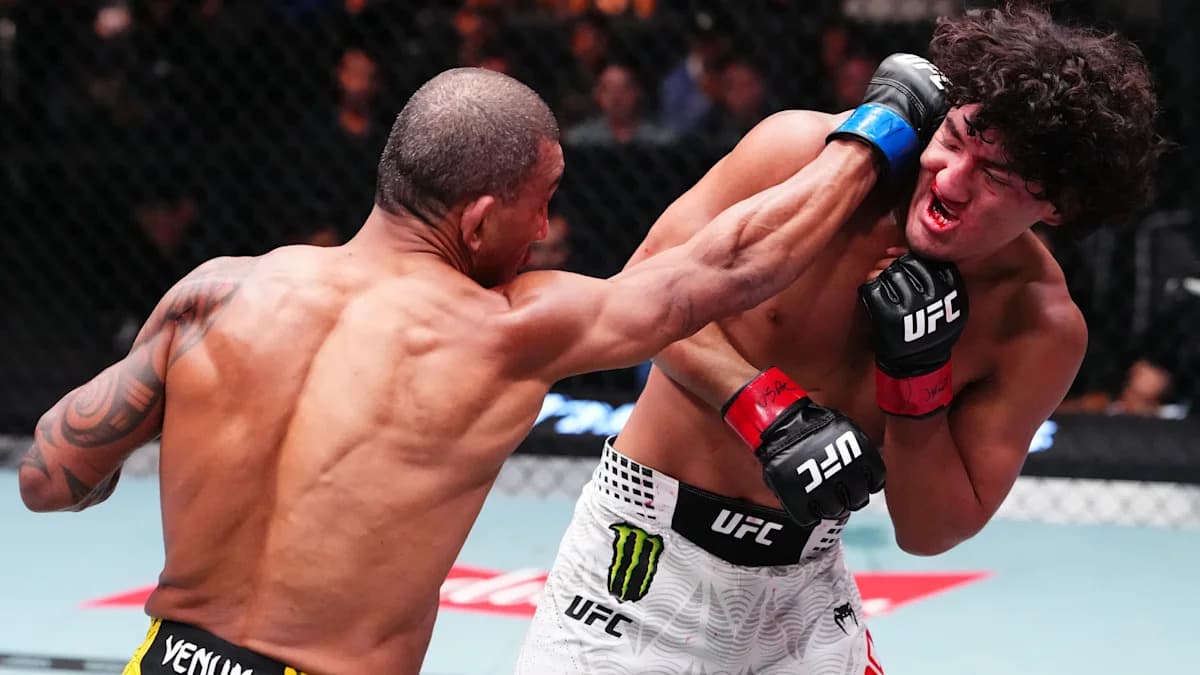
Raul Rosas Jr. Shares His Thoughts on the Shocking UFC Vegas 121 Finish Against Raoni Barcelos