
Liverpool Ownership Change: Bezos-Backed Consortium Eyes Superclub Status
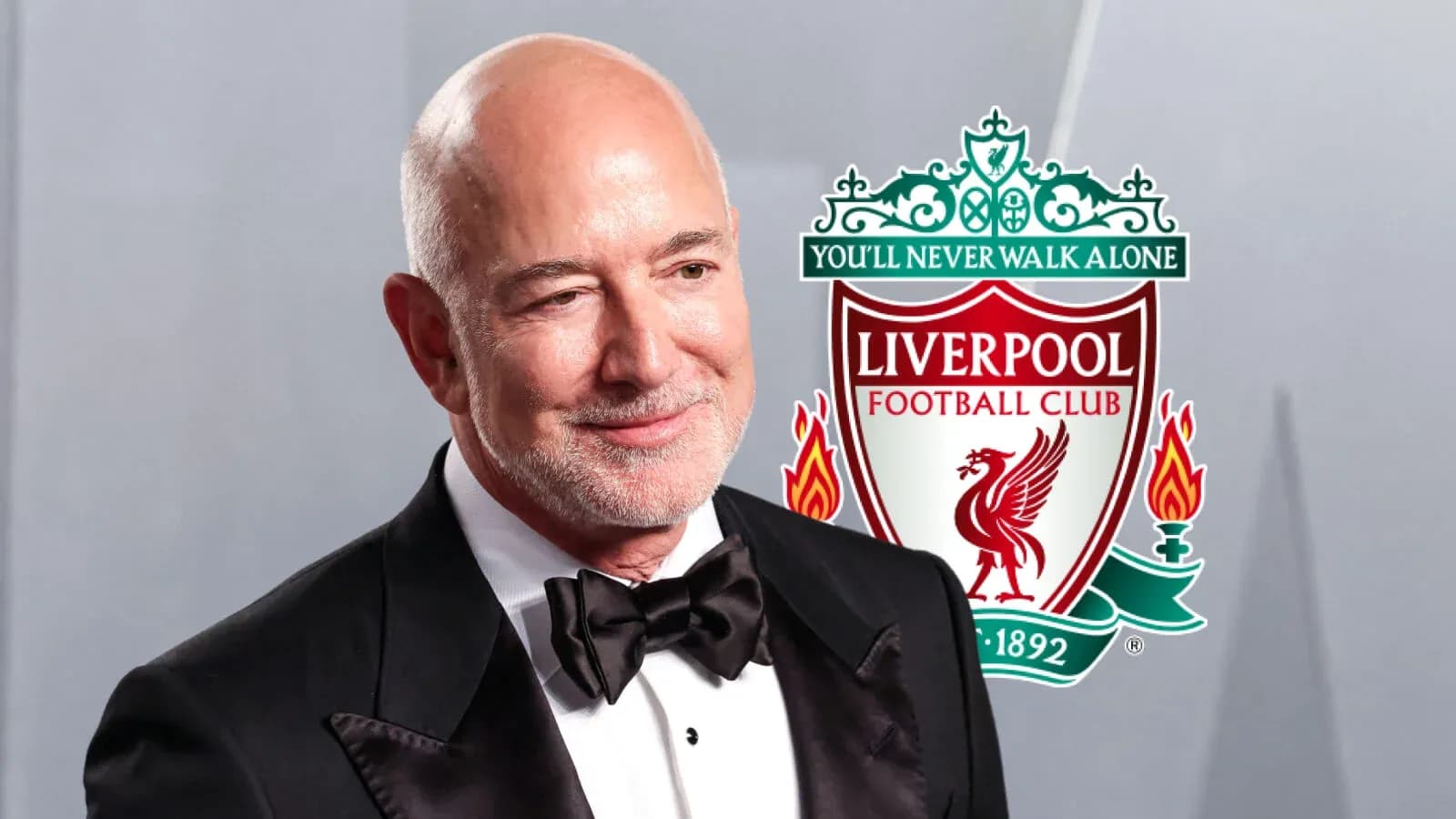
Liverpool are bracing for a seismic shift in their ownership structure, with a Jeff Bezos-backed consortium closing in on a deal to buy around one-third of the club – a move that would drop one of the world’s richest men directly into the heart of Anfield’s future.
Fenway Sports Group are, according to Sky Sports, preparing to announce a transaction this week. The group at the table is fronted by Amit Bhatia, the former Queens Park Rangers shareholder, and includes Eduardo Saverin, the Facebook co-founder whose fortune runs into tens of billions.
The numbers are stark. The investment would value Liverpool at £4.4 billion ($6bn). Bezos himself, the third-richest person on the planet, is estimated to be worth over £207bn ($280bn). Saverin’s wealth is put at more than £23.7bn ($32bn). This is not the usual Premier League investor profile; this is sovereign-wealth scale money in private hands.
And with that kind of backing, the conversation around Liverpool changes quickly.
A new financial era – and a new transfer ambition
The tone was set weeks ago. On July 22, IndyKaila reported that the prospective part-owners want Liverpool to go after genuine, top-shelf superstars – the kind of names usually ring-fenced by Real Madrid, Paris Saint-Germain or Manchester City. Vinícius Júnior and Michael Olise were specifically mentioned as examples of the calibre being discussed.
Vinícius has since signed a new deal at Real Madrid, having already turned down Arsenal, which takes him off the board for now. That leaves Olise as the standout “statement” option in the conversation around Liverpool’s next era.
The message, as relayed by IndyKaila on X, was unambiguous: the consortium’s ambition is to turn Liverpool into the number one club in world football, ready to go head‑to‑head with the likes of Real Madrid and Bayern Munich in the transfer market. A “total mindset shift”, as it was put, one that would see Anfield seriously chase the world’s best players rather than merely compete cleverly around the edges.
If that vision is realised, it would mark a dramatic evolution from FSG’s carefully calibrated, data-led model that has relied on value, timing and coaching excellence rather than brute financial force.
The Olise question – and a looming heavyweight battle
Any move for Michael Olise would not be straightforward. It would, in fact, be a declaration of intent.
Fabrizio Romano has repeatedly reported that Real Madrid president Florentino Pérez views the French winger as his next Galáctico. For Liverpool to step into that fight, they would need not only the will, but the funds to match Madrid in a market where the margins are brutal and the stakes are global.
The scale of the challenge is underlined by the numbers being discussed. Bayern are said to want at least €200m (£171m) to consider a sale. They regard the 24-year-old as central to their long-term project, with a contract that runs until June 2029 giving them enormous leverage. They do not need to sell, and they do not want to sell.
For Liverpool, to even test that stance would mean a level of financial aggression that has not been seen under FSG. That is precisely why the prospect of Bezos and his partners stepping in feels so transformative: it opens the door, at least in theory, to deals that were previously out of reach.
Barcola, Arsenal and the here-and-now
While the Olise saga simmers in the background, Liverpool’s more realistic near-term target appears to be Bradley Barcola.
Talks have already taken place with both the Paris Saint-Germain winger and his club. The 21-year-old is highly rated, versatile, and fits the profile of a player who can be developed into a star rather than bought as one. His price tag, though, is anything but modest: PSG have set it at a hefty €150m (£128m), a figure Liverpool are trying to negotiate down.
There is no clear run at him either. Arsenal have entered the conversation and opened discussions of their own, adding another layer of tension to a chase that already involves one of Europe’s most powerful clubs.
For now, that is Liverpool’s reality: trying to push down nine-figure demands, weighing value against ambition, and fending off rivals with deeper pockets or different risk appetites.
If the Bezos‑Bhatia‑Saverin consortium completes its deal and starts to flex its financial muscle, that reality could change very quickly. The question hanging over Anfield is simple and stark: is Liverpool about to step back into the era of true super-club spending, or will this be another chapter of calculated evolution rather than revolution?
Related News
Carlos Alcaraz Urges an End to Matches Ending in the Early Hours
Carlos Alcaraz Criticizes Late US Open Finish After 3:30 a.m. Match
Jannik Sinner Set for ATP 500 Return in Beijing with Novak Djokovic Also Competing

Meet Iva Jovic: The American Tennis Prospect Making Waves
Flavio Cobolli Shares Insights on Practice Session with Jannik Sinner Ahead of Comeback
Till vs Romero: Fight Details, Undercard, and Viewing Info for This Weekend