
Liverpool's Youth Movement: A Defensive Gamble
Liverpool’s future is already here. The problem is, it has arrived a year or two early.
At the U17 World Cup in Qatar last November, Liverpool’s scouts ringed two names in red ink: Mor Talla Ndiaye of Senegal and Austria’s Ifeanyi Ndukwe. Within weeks, the club moved decisively, paying a combined £3.5m to bring them to Anfield. Under Matt Newberry, the club’s head of global talent, it looked like textbook succession planning – smart, long-range, low-noise business.
No-one imagined those teenagers would be Liverpool’s starting centre-back partnership for most of the opening pre-season game.
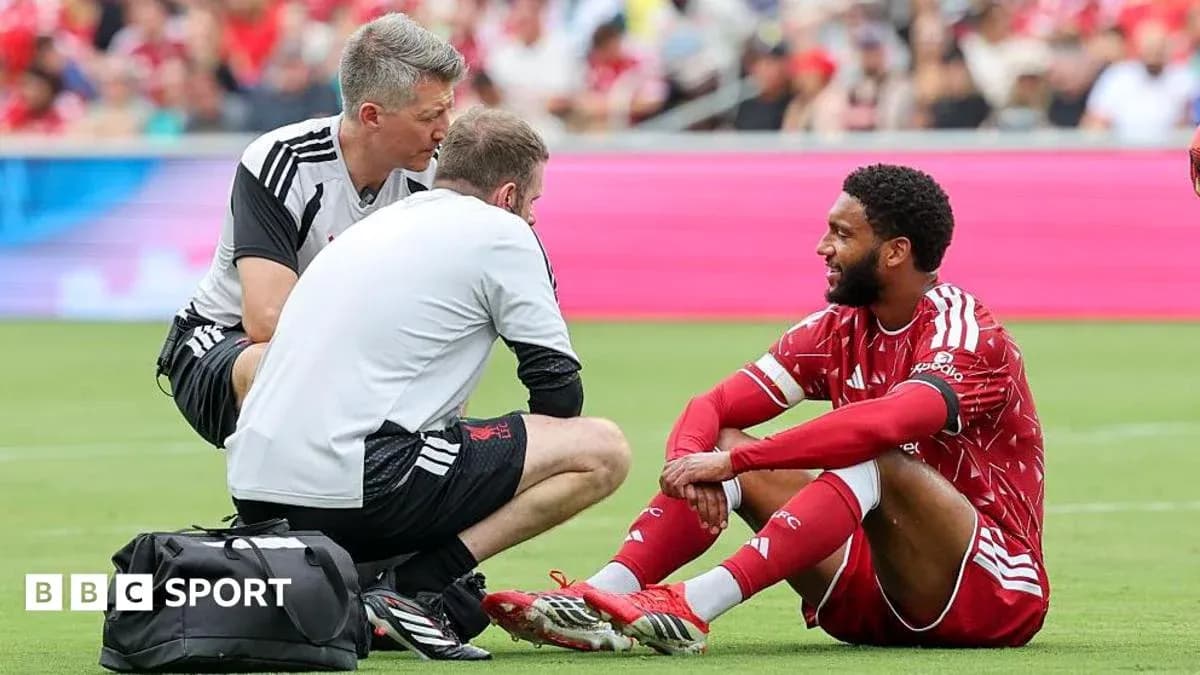
Yet there they were against Sunderland, thrust into the spotlight after Joe Gomez limped off in the eighth minute, with Jeremy Jacquet and Giovanni Leoni both unavailable. What was supposed to be a gentle introduction to senior life suddenly became an emergency audition. Liverpool’s long-term project had collided with a very present problem.
A thin line at the back
Andoni Iraola had already sounded the alarm. Even before Gomez’s latest setback, the new head coach described his defensive options as “very thin”. On Sunday in Chicago, Gomez was missing from training; the club expects to clarify the extent of his injury this week.
His story has become a painful refrain. Liverpool’s longest-serving current player, signed from Charlton in 2015, has already missed 225 games through injury, according to Transfermarkt. Every time a door opens for him, it seems to slam shut just as quickly.
Behind him, the picture is stark. Virgil van Dijk stands as the only fit senior centre-back. He is Liverpool’s captain, the defensive reference point of an era, but he is 35 now and coming off a Premier League season in which he played every single minute. The aura remains, the leadership too, but he is no longer the all-conquering force of his peak.
Both Van Dijk and Gomez are into the final year of their contracts. There is a real possibility that next summer, Liverpool’s central defensive landscape changes completely.
Big bets on youth
The club has not been idle. One of the reasons they allowed Ibrahima Konate to leave on a free for Real Madrid was a belief that they had already secured the next wave. Liverpool committed £60m to sign Jeremy Jacquet, 21, and £26m on 19-year-old Giovanni Leoni, judging them to be the standout young centre-backs in France and Italy.
Jacquet is expected to make his debut against Leeds on Sunday, the first real look at a defender Liverpool hope will anchor their back line for years. Leoni will follow. On paper, it is bold, coherent recruitment.
On the pitch, right now, it is raw.
Ndiaye and Ndukwe, plucked from that U17 World Cup, fall into the same category. High ceiling, low mileage. Liverpool will give all four time and opportunity to grow, but at this moment they are prospects, not pillars.
Robbie Fowler, watching from close quarters in New York as Liverpool prepare to face Wrexham on Wednesday, did not sugarcoat it.
“We need players. It’s fairly obvious,” the former striker told BBC Sport. “I’m very sad for Joe Gomez, who has been so unfortunate with injuries. This could have been a real chance to cement his place and for him to show that we don’t need another centre-half.
“We’ve spent money on Jacquet and Leoni and the guidance that Joe and Virgil can give from their experience to the young lads is telling.
“We won’t see the best version of the young lads yet, but you do need that experience in the squad. And yes, the manager’s been on record saying that we need players and I would not be surprised if another centre-half is in that conversation.”
Missed chances and tight margins
From a distance, one decision now looks even more loaded. Liverpool’s failure to get a deal done for Marc Guehi last summer sits differently in the light of this defensive shortage. Guehi has gone elsewhere; Liverpool are left juggling youth, fitness concerns and the market.
There is, in theory, a safety net. The club inserted a buyback clause when Jarell Quansah left for Bayer Leverkusen for £35m last July. At present, though, there are no plans to trigger it. Quansah will stay in Germany, and Iraola must work with what he has.
Financial reality also bites. Liverpool are pursuing Bradley Barcola, valued by Paris St-Germain at more than £100m. Those close to the club stress that if that deal happens, it will restrict what else they can do in this window.
The numbers already committed are heavy. Jacquet and Victor Munoz have cost a combined £94.5m. Without significant sales from Iraola’s current squad, this summer will not echo last year’s £450m outlay. The tap is not off, but it is no longer gushing.
Fowler, who scored 183 goals for Liverpool, sees a familiar pattern.
“When you look at Liverpool across the last decade, one of the problems that we’ve had is that the first 11 is more than capable but the argument that people have is the squad depth,” he said.
“I’m a big believer in getting the squad right because it gives everyone a lift and keeps people on their toes, knowing that if you’re not performing, someone else could do the job.
“Go back to the days of Phil Neal and he’ll tell you stories about how players would never want to get injured because they knew that if someone else came, they wouldn’t get their place back.
“You need that mentality and I think that has a real knock-on effect on standards.”
Future-proofed, but exposed
In one sense, Liverpool have flooded the pipeline. Across six months, from last summer through to January 2026, they agreed deals for five centre-backs aged 20 or under at the time: Leoni, Ndiaye, Ndukwe, Noah Adekoya and Jacquet. No-one can accuse them of ignoring the position.
Ndukwe underlined that potential with an impressive display against Sunderland. Yet his situation captures the tension at the heart of Liverpool’s planning. He must go out on loan this year because he does not yet meet the criteria for a UK work permit. Another talented defender, unavailable when the first team needs bodies.
The long-term outlook at centre-back is rich with possibility. Anfield is stocked with height, pace and promise. What it lacks, urgently, is experience.
That gap is no longer theoretical. It is on the teamsheet, in the treatment room, and in the eyes of teenage defenders suddenly asked to hold the line for one of Europe’s biggest clubs. Liverpool have backed the future heavily.
Now they have to decide how much of the present they are willing to risk.
Related News

Wilfred Ndidi’s Marriage Reportedly Ends as He Enters New Relationship

Cristiano Ronaldo's Top 5 Most Valuable Cars in His Extraordinary Collection
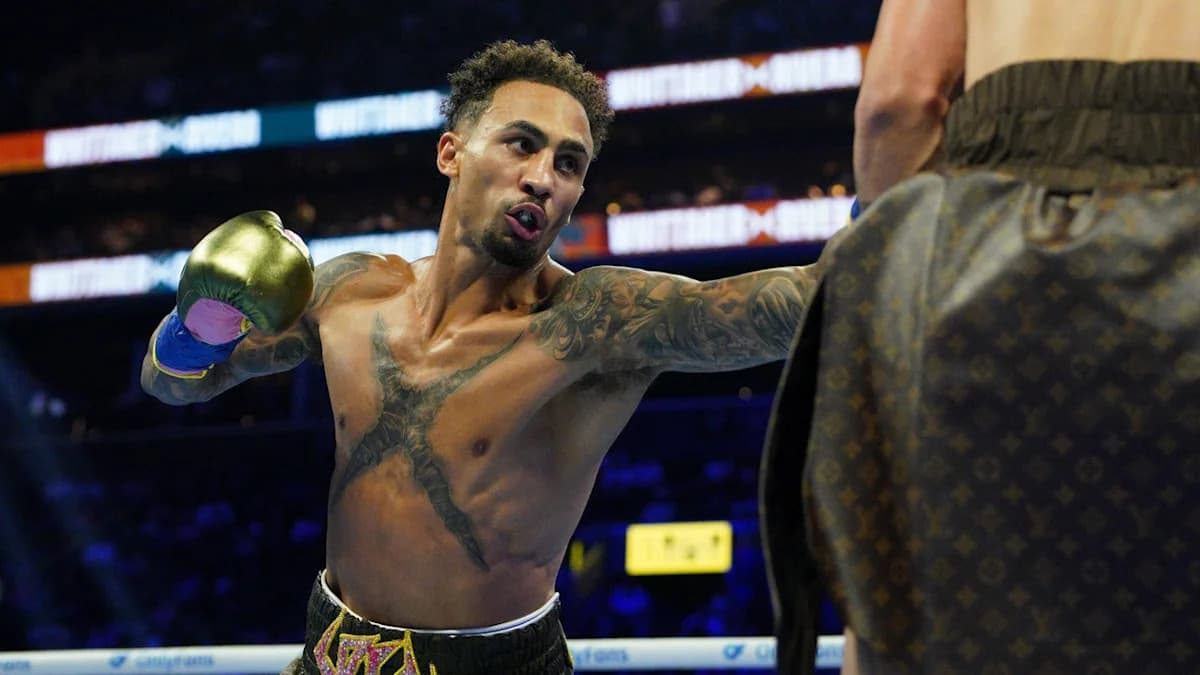
Ben Whittaker’s Challenge to Prove Eddie Hearn’s Bold British Boxing Bet
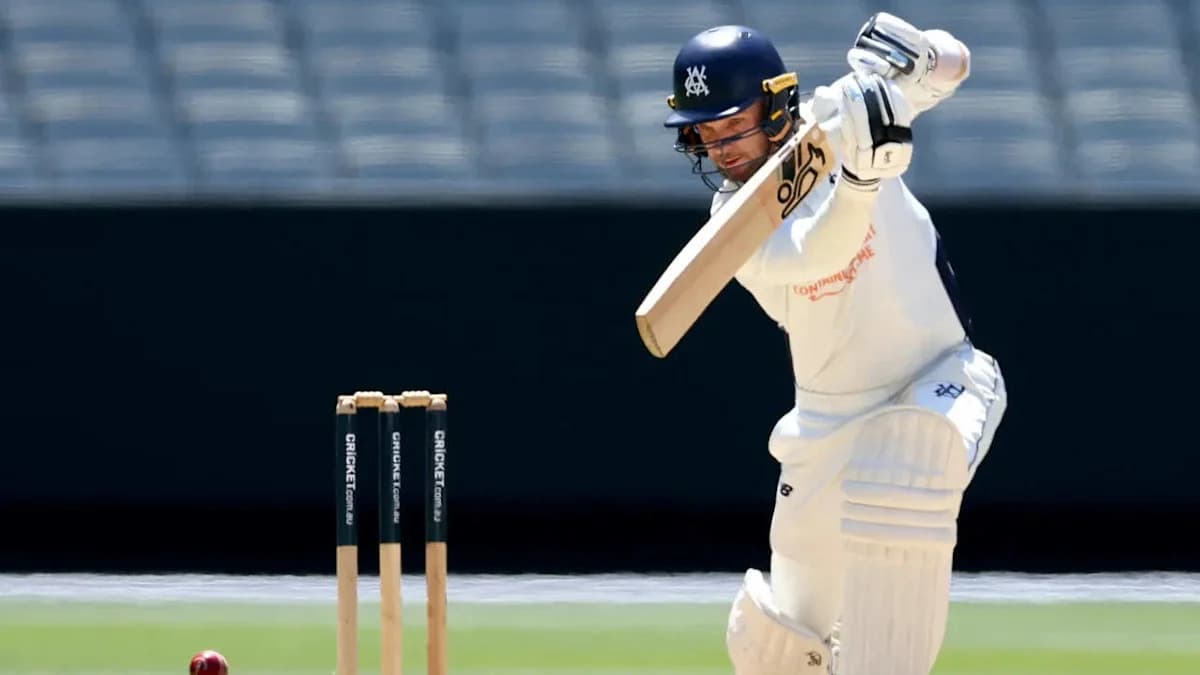
Peter Handscomb on the Challenge of Facing Indian Bowlers
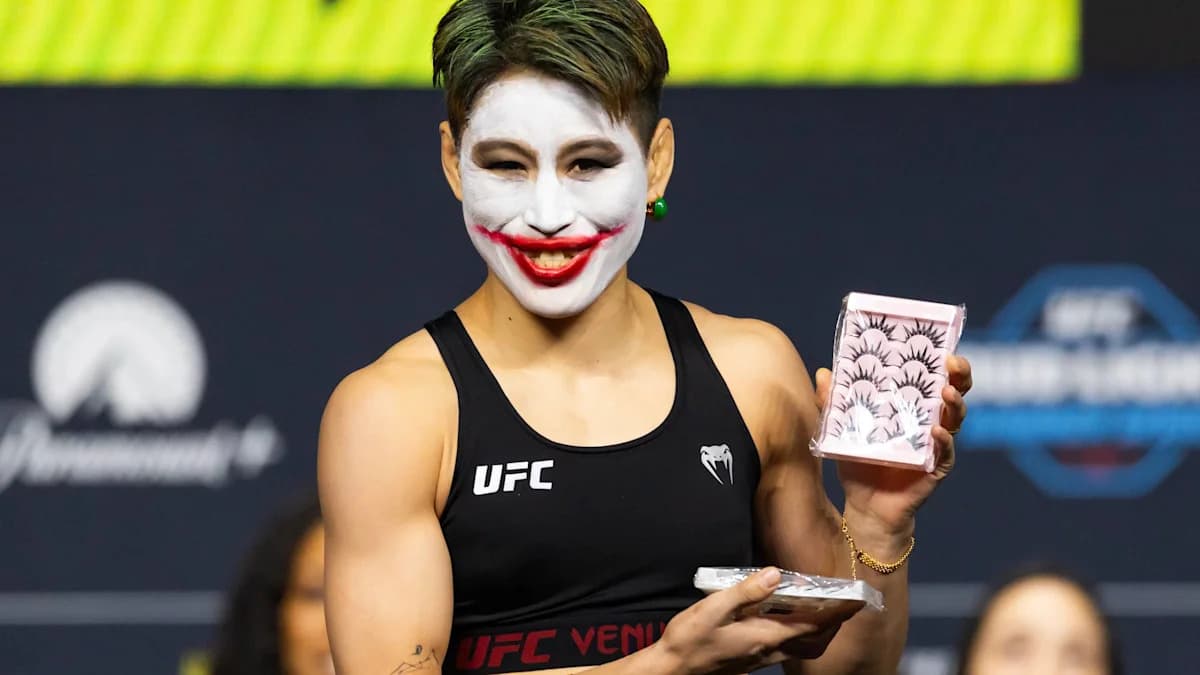
How to Watch UFC 332: Silva vs. Wang Live on CBS and Paramount+ This Saturday
Raul Rosas Jr. Shares His Thoughts on the Shocking UFC Vegas 121 Finish Against Raoni Barcelos