
Loudoun United vs Richmond Kickers: USL Cup 2026 Match Analysis
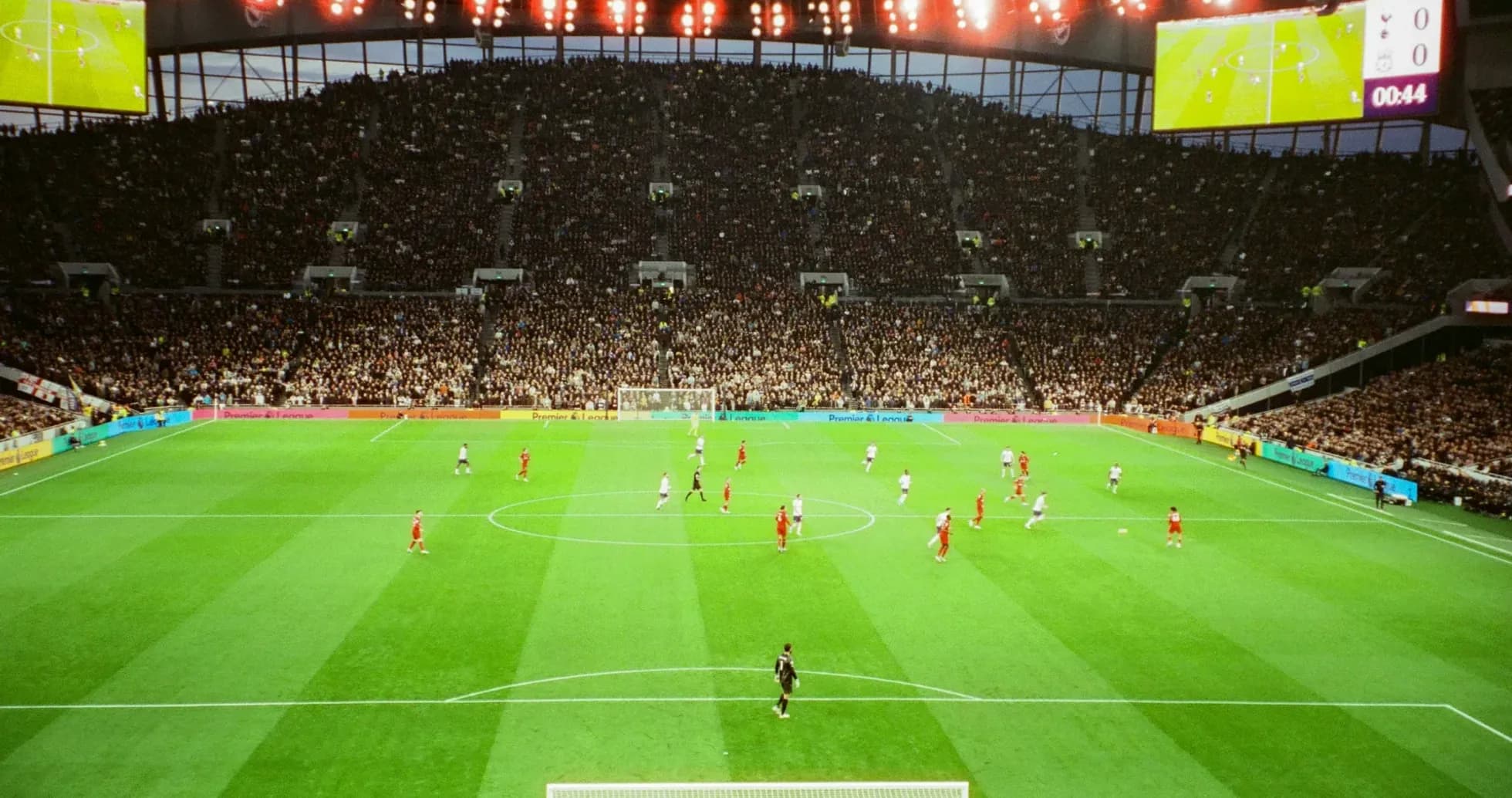
Under the lights at Segra Field, Loudoun United and Richmond Kickers closed out a Group Stage chapter of the USL League One Cup that said as much about identity as it did about points. The fixture finished 2–0 to Loudoun, a scoreline that crystallised the divergent trajectories of these two clubs in the 2026 competition.
Following this result, Loudoun sit 4th in “USL Cup 2026, Group 6”, with 3 points and a goal difference of +1, built from 3 goals for and 2 against overall. All of their action has come at home: 2 matches, 1 win, 1 defeat, 3 goals scored and 2 conceded. They have yet to kick a ball away in this cup, but at Segra Field they now average 1.5 goals for and 1.0 against per home game, a tidy return for a side still knitting together a new spine.
Richmond, by contrast, are rooted to 6th in the same group, pointless after 3 matches, with a stark goal difference of -7 (1 scored, 8 conceded overall). At home they have leaked 6 and scored just 1 across 2 fixtures; on their travels, they have lost their only away game 2–0, failing to score. Overall, they are averaging just 0.3 goals for per match and 2.7 against, a profile of a side that is consistently on the back foot and rarely able to flip the script.
This match, then, was a meeting between a home-centric Loudoun side learning how to impose themselves, and a Richmond team whose cup campaign has been defined by damage limitation that never quite materialises.
Tactical Voids and Disciplinary Undercurrents
The raw squad lists reveal no formal absences or questionable players, so both coaches, Anthony Limbrick and Darren Sawatzky, had their key tools available. That made this less about who was missing and more about how each manager chose to structure the pieces.
Loudoun’s XI, built around the experience of J. Farr in goal and a defensive core of C. Torres, N. Adnan, A. Essengue and S. Mazzaferro, had a clear mandate: protect a side that, in this competition, had already shown it could both score and concede at Segra. With P. Santos wearing 10, flanked and supported by the energy of J. Murphy, B. Akinyode, J. Panayotou and the direct threat of A. Aboukoura and T. Ulfarsson, Loudoun leaned into a front-foot, home-side posture.
Richmond’s lineup, by contrast, carried the scars of their form line “LLL”. J. Sneddon in goal, shielded by the likes of M. Murana, S. Vinberg, B. Howell and D. Moore, stepped into a competition where the numbers were brutal: zero clean sheets in 3 games, 8 goals conceded overall. Ahead of them, the creative and attacking responsibility fell to N. Seufert, T. Pannholzer, A. Amer, O. O’Malley, L. Johnson and J. Kirkland – a group that had only produced 1 goal in the entire cup run.
Disciplinary patterns added another layer to the tactical risk map. Loudoun’s yellow cards this campaign cluster late: 60.00% of their cautions arrive between 46–60 minutes, with a further 40.00% from 76–90. That hints at a side that grows more aggressive as the match state sharpens, particularly when protecting or chasing a result. Richmond’s yellows are more evenly spread but still spike in the 46–60 window, where 37.50% of their cautions occur, following earlier pockets in 0–15 (12.50%), 16–30 (12.50%) and 31–45 (25.00%). The shared volatility straight after half-time paints that period as a flashpoint: both teams tend to play on the edge when emerging from the break.
Neither side has taken a penalty in the competition – total penalties sit at 0 for both – so there is no clinical edge or trauma from the spot to factor into the psychological picture.
Key Matchups – Hunter vs Shield, Engine Room vs Enforcer
Without explicit top-scorer data, the “Hunter vs Shield” duel is more about units than individuals. Loudoun, at home, are a 1.5 goals-per-game attack; Richmond, away, concede 2.0 per match and have not kept a clean sheet anywhere. The Loudoun front line of T. Ulfarsson and A. Aboukoura, supplied by the guile of P. Santos and the forward surges of J. Murphy, was always likely to test a Richmond back four that has already experienced a 0–4 home collapse and a 2–0 away defeat in this cup.
On the flip side, Richmond’s attack – 1 goal in 3 games overall – faced a Loudoun defence that, while not watertight, had conceded just 2 in 2 at home and already banked 1 clean sheet. With Farr behind a settled back line, the onus was on the likes of Seufert and Pannholzer to find pockets between Loudoun’s lines. They rarely have in this competition, and the numbers suggested they would again struggle to consistently work high-quality shooting positions.
In the “Engine Room” battle, Loudoun’s central cohort of Akinyode, Panayotou and Murphy represented control and balance. Their job was twofold: protect transition moments against Richmond’s counters, and feed Santos between the lines. Richmond’s response came from Amer and O’Malley, asked to shuttle, disrupt and spring quick breaks to Johnson and Kirkland. Given Richmond’s tendency to concede heavily and their lack of goals, this midfield axis has not yet found a stable equilibrium; they spend more time firefighting than dictating.
Statistical Prognosis and Tactical Verdict
Following this result, the numbers and the narrative align. Loudoun’s overall goal difference of +1 (3 for, 2 against) confirms a side that can edge tight games at home when their structure holds. Their failure to play away yet keeps some questions open, but in the microcosm of Segra Field they look like a competent, occasionally assertive cup side.
Richmond’s -7 overall goal difference (1 scored, 8 conceded) is the profile of a team whose defensive block is perpetually under siege. With 3.0 goals conceded per home match and 2.0 away, their shield has cracked in every context. The lack of goals – 0.3 per match overall – leaves almost no margin for error.
In xG terms, even without explicit figures, the directional indicators are clear: Loudoun’s 1.5 goals per home game against Richmond’s 2.7 conceded overall points to a home side consistently generating better chances than their visitors can either create or repel. Richmond’s repeated failures to score in 2 of 3 matches suggest low shot volume, poor shot quality, or both.
Tactically, this fixture played out as a confirmation rather than a twist. Loudoun, driven by a cohesive spine and the creativity of Santos and Murphy, had enough to turn territorial control into goals and protect the lead through an increasingly combative second half. Richmond, despite the industry of Seufert and the running of Johnson and Kirkland, once again found themselves chasing shadows, their defensive line stretched and their attack too blunt to change the story.
The 2–0 scoreline at Segra Field is not just a snapshot; it is a distilled version of each side’s cup identity so far: Loudoun United, imperfect but purposeful at home; Richmond Kickers, still searching for a foothold in a competition that has relentlessly exposed their flaws.
Related News
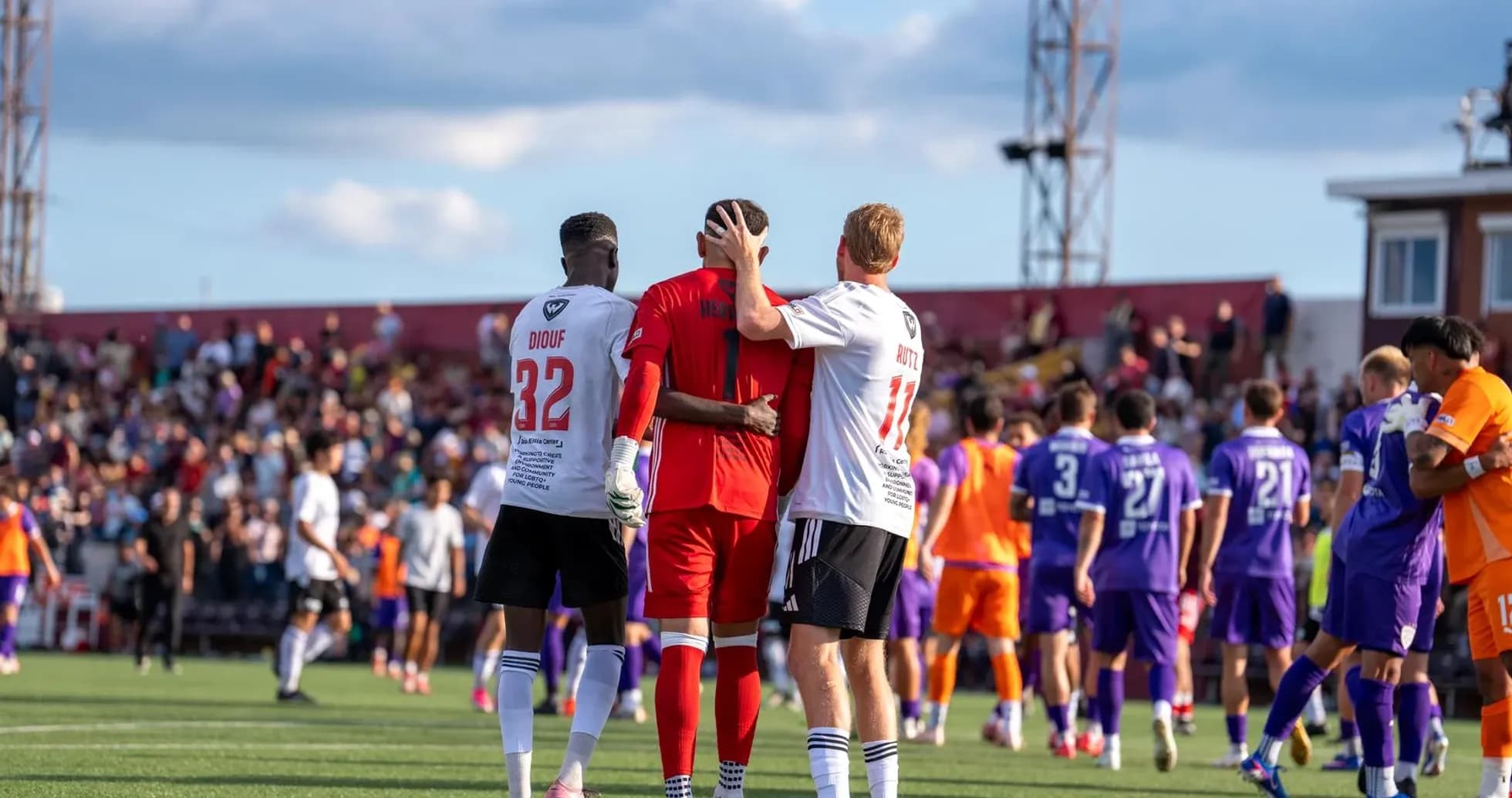
Louisville City Edges Detroit City in Penalty Shootout
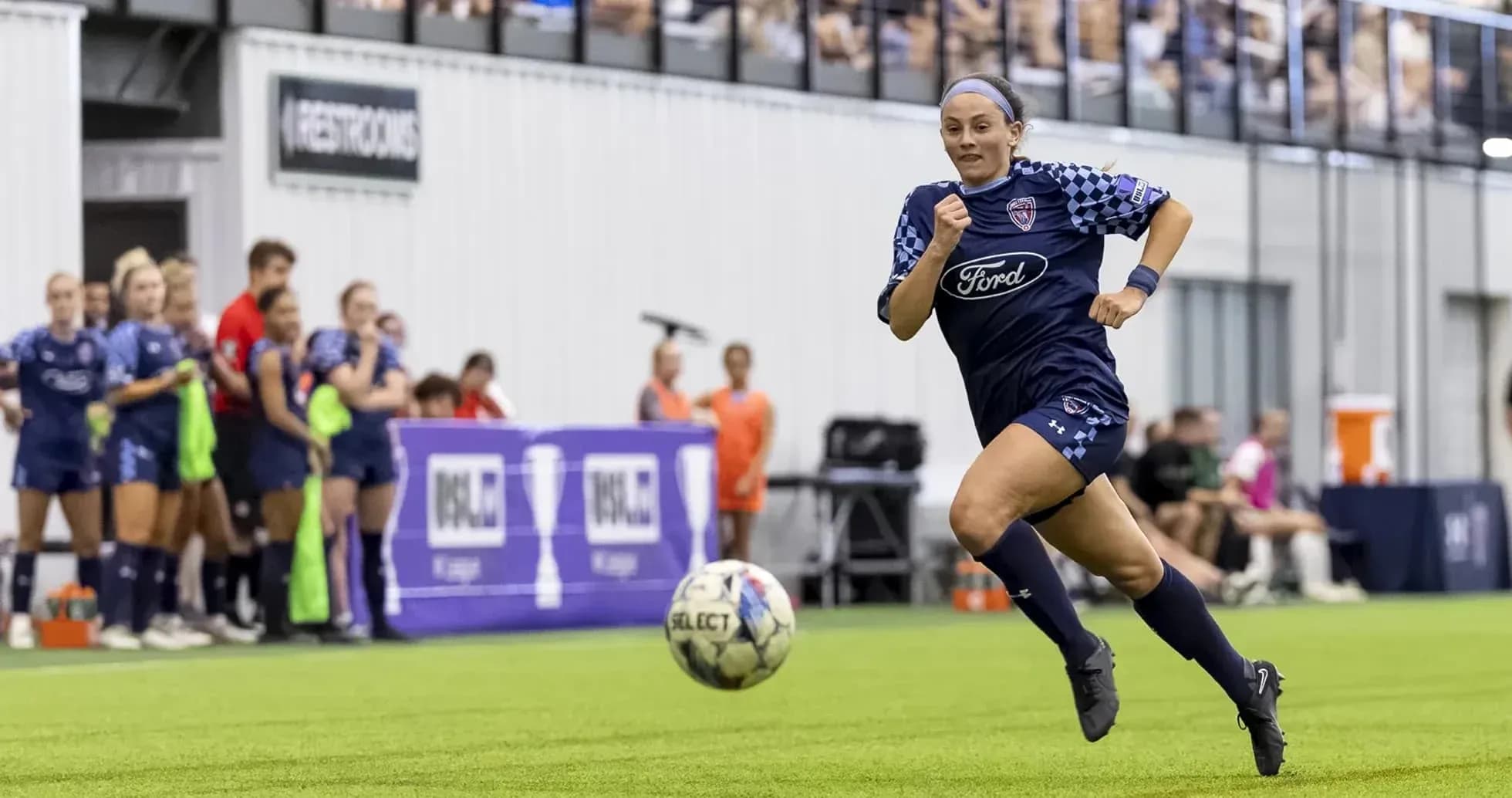
Lexington vs Indy Eleven: USL League One Cup Showdown
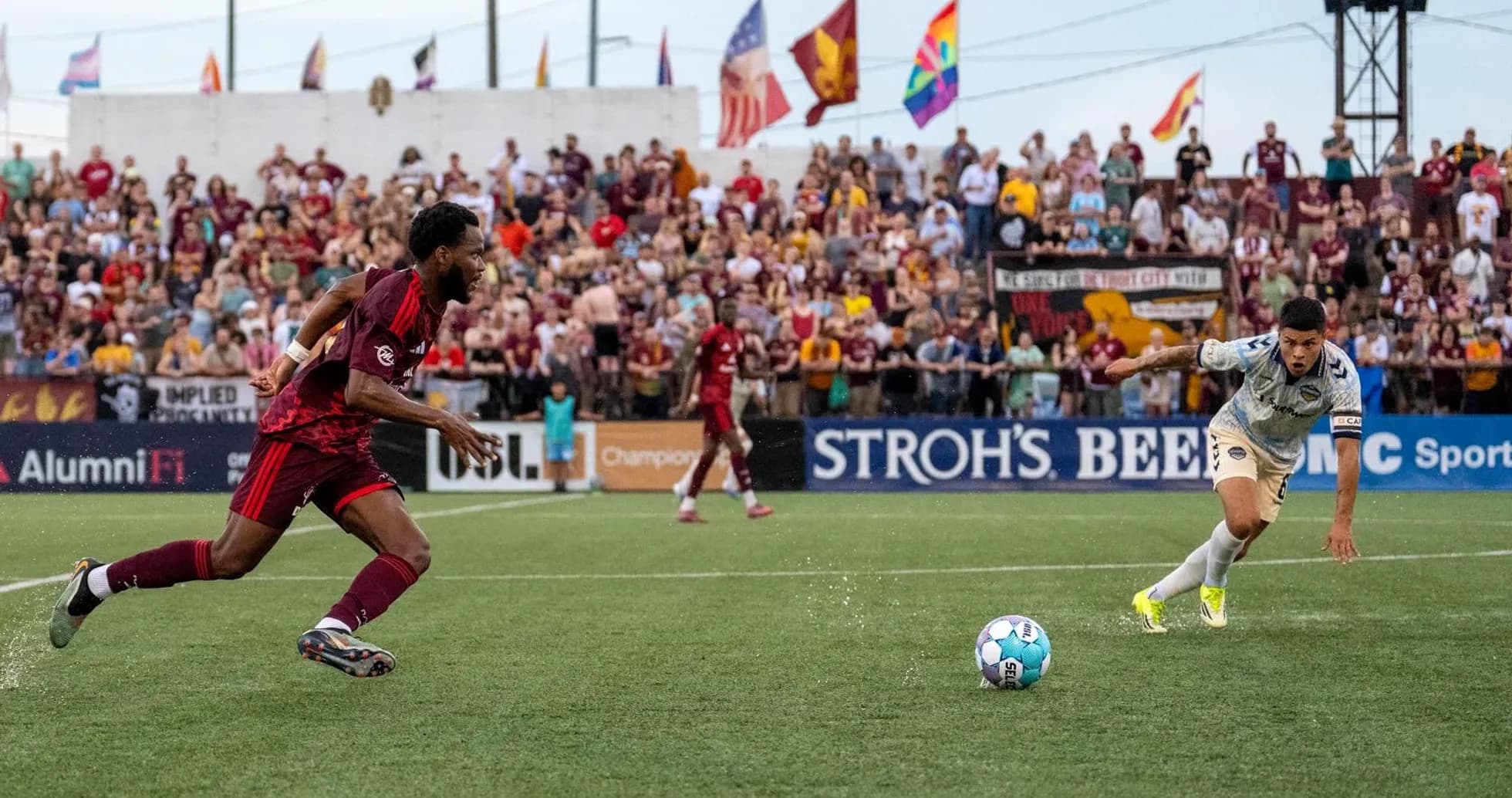
Detroit City vs Louisville City: USL League One Cup Showdown
Lexington vs Indy Eleven: USL League One Cup Group Stage Preview

Detroit City vs Louisville City Match Preview

Lexington vs Indy Eleven: USL League One Cup Clash Insights