
James Maddison's Penalty Controversy in Tottenham's Draw with Leeds
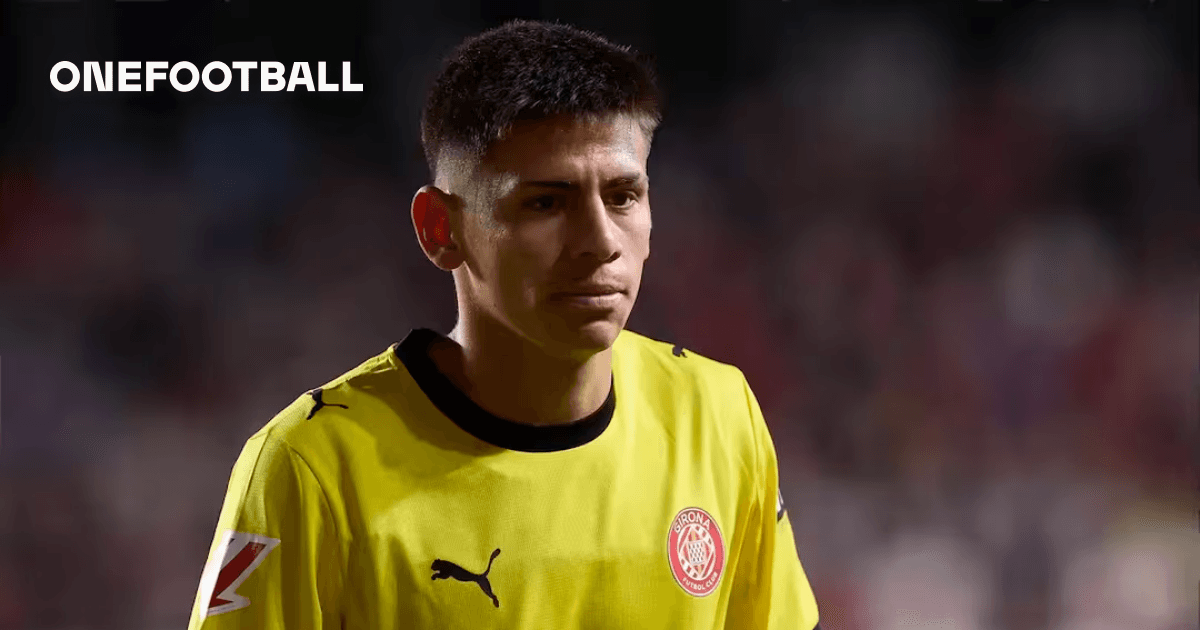
Tottenham left Elland Road with a point, a handful of what‑ifs, and one major talking point: why James Maddison didn’t get a penalty on his comeback.
Deep into the second half of Spurs’ draw with Leeds, Maddison drove into the box, shaped to shoot and went down under pressure. The away end exploded, players threw their arms in the air, and for a moment it felt inevitable that the referee would point to the spot.
He didn’t. VAR stayed out of it. Play moved on. The anger didn’t.
With the noise growing, the Premier League later moved to clarify exactly why Tottenham were denied what many inside the stadium felt was a clear opportunity to win the game.
The incident
Maddison, back from injury and eager to make a statement, collected the ball just inside the area. A Leeds defender stepped across, there was contact, and Maddison hit the turf. From one angle, it looked like the kind of challenge that often draws a penalty: late, clumsy, and in a dangerous area.
The referee waved play on. No on‑field review followed, no trip to the monitor, no reversal. For Spurs, chasing a late winner and desperate to inject momentum into their season, it felt like a pivotal moment slipping away.
Why no penalty?
According to the Premier League’s explanation, the key lay in the referee’s original decision and the VAR threshold.
The match official judged in real time that the contact on Maddison was not enough to constitute a foul. VAR then checked the incident and agreed that, while there was some contact, it did not amount to a “clear and obvious” error by the referee.
In other words: there was not sufficient evidence to say the on‑field decision was plainly wrong. Because of that, the VAR team did not advise a review and the game continued.
The league’s stance centred on two points:
- The defender’s challenge was seen as marginal rather than clearly careless.
- Maddison was considered to have gone down under light contact that did not, in the officials’ view, justify overturning the original call.
That interpretation kept the bar for intervention high, exactly as the league insists it should be. For Tottenham, it kept the ball off the spot.
Maddison’s moment denied
For Maddison, the frustration ran deeper than a single decision. This was his return from injury, a chance to tilt the narrative of his season back in his favour. A penalty, a goal, and a late winner would have turned a solid comeback into a headline performance.
Instead, his defining moment became a decision that went against him.
Spurs had to settle for a draw, left debating the margins and the mechanics of VAR rather than celebrating a dramatic finish. The Premier League, for its part, stood firmly behind its officials and the process that kept the whistle silent.
The question now is whether Tottenham can shake off the sense of injustice quickly enough, or whether this becomes another hinge point in a campaign already balanced on fine lines.
Related News
UFC 332 Preview: Natalia Silva vs. Wang Cong Fight Card, Odds, Start Time, and Details
Andy Roddick Responds to Andre Agassi’s Comments on Alexander Zverev at the Laver Cup
Knicks Prepare for Flexible Roles in Title Defense
Rui Hachimura Swaps Lakers Fans to Clippers in Surprising Jersey Exchange

Who Will Be the NBA's Next First-Time All-Stars? Top Picks and Long Shots for 2027
How Strong Is Your Team at Home? Check Out the 2026 Brasileirão Home Standings