
Maldini Resigns as Italy's Technical Director After Coach Controversy
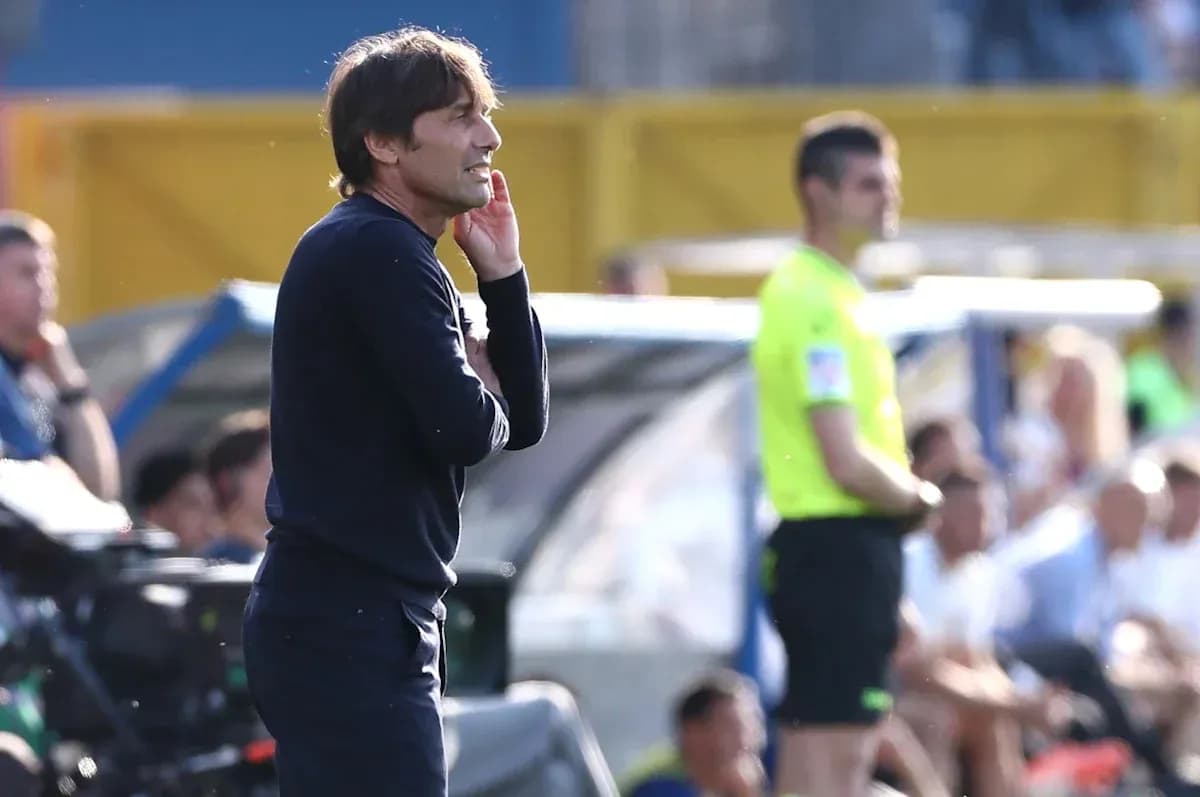
Paolo Maldini walked into the job as Italy’s technical director with a clear idea of what the Azzurri bench should look like. Two weeks later, he walked away from it for exactly the same reason.
The former AC Milan captain resigned on Monday, along with his advisor Leonardo, after a dramatic stand-off with CONI president Giovanni Malagò and the FIGC over the identity of the next Italy coach. The breaking point: Andrea Pirlo, and everything that followed.
A Clash Over the Bench
Maldini and Leonardo arrived with a plan. Their first choice was Pirlo, a former teammate and a symbol of Italian footballing elegance, but also a coach carrying political baggage. His role as a brand ambassador for a Russian betting company triggered strong negative reactions in Italy’s political sphere. Malagò stepped in and blocked the appointment.
From there, the relationship began to unravel.
Refusing to fold, Maldini and Leonardo tried to steer the conversation toward another profile they believed in: Thiago Motta, fresh from an impressive spell with Bologna and previously at Juventus. Several sources confirm the pair pushed hard for him. Malagò again said no.
The pressure then came from the other side of the table. If not Pirlo, if not Motta, then proven winners: Antonio Conte or a return for Roberto Mancini. Names with trophies, names with weight, names Malagò and the FIGC saw as safer political and sporting bets.
Maldini and Leonardo didn’t agree.
Why Mancini and Conte Were Rejected
On Mancini, their argument cut deep. According to Gazzetta, they pointed straight to August 2023, when Mancini resigned in the middle of the Euro 2024 qualifying campaign and, within weeks, took charge of Saudi Arabia. To them, that exit left a scar. Appointing him again, they argued, raised the same concerns of trust and continuity that critics were throwing at Pirlo.
Conte, on the other hand, posed a different kind of risk. Nobody questions his intensity, his tactical clarity, or his ability to jolt a dressing room to life. But his track record is clear: short cycles, two years at most, then a split. For Maldini and Leonardo, with the 2030 World Cup four years away, that pattern felt like a gamble Italy could not afford.
They wanted a long-term architect. The federation wanted a big, immediate statement.
The Final Meeting
The decisive conversation came on Monday. Maldini, Leonardo, Malagò: one last attempt to bridge an increasingly wide gap.
Malagò tried to pull them away from Pirlo and Motta and back toward Conte and Mancini. From his side, the logic was obvious: experience, international pedigree, instant credibility with the public and sponsors. From theirs, the message was just as firm: these were not the right men to build the next Italy.
By then, this was no longer only about a coach. It was about authority.
Maldini and Leonardo felt that blocking Pirlo on political grounds, rejecting Motta, and pushing heavily for Conte or Mancini cut into the autonomy they believed their roles required. If they could not choose the coach, what exactly were they there to do?
They chose the exit.
Italy Left at a Crossroads
Maldini’s tenure as Italy’s technical director lasted just two weeks. A legendary defender, a symbol of continuity and identity, gone almost before his project began. Leonardo, long-time collaborator and strategist, walked with him.
Malagò is expected to confirm the new Italy coach as the FIGC Council meets at 12:00 CET (11:00 GMT). The decision will arrive without the two men originally brought in to shape the future of the national team.
Italy will soon have a new coach. The real question is whether the price of that choice—Maldini and Leonardo’s abrupt departure—will echo all the way to 2030.
Related News
Wilfred Ndidi’s Marriage Reportedly Ends as He Enters New Relationship
Cristiano Ronaldo's Top 5 Most Valuable Cars in His Extraordinary Collection
Ben Whittaker’s Challenge to Prove Eddie Hearn’s Bold British Boxing Bet
Peter Handscomb on the Challenge of Facing Indian Bowlers
How to Watch UFC 332: Silva vs. Wang Live on CBS and Paramount+ This Saturday
Raul Rosas Jr. Shares His Thoughts on the Shocking UFC Vegas 121 Finish Against Raoni Barcelos