
Manchester United's Midfield Rebuild Faces Market Challenges
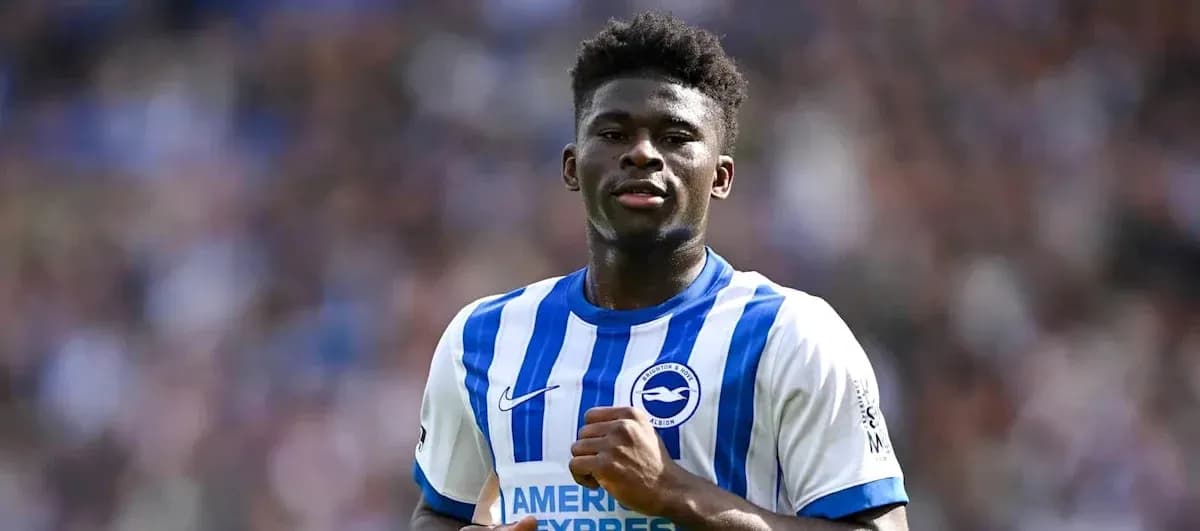
Manchester United have money to spend and a midfield to rebuild. That much is clear. What’s becoming just as clear is that even a “considerable budget” doesn’t stretch as far as it used to in a market where every selling club knows exactly how desperate Old Trafford is.
Anderson: The £100m Derby
At the top of United’s wishlist sits Elliot Anderson, the Nottingham Forest midfielder whose price tag has been set at around £100 million. That figure alone tells you how the Premier League economy now works: pay the premium, or step aside.
United’s hierarchy, according to The Guardian, are confident they can land the 23-year-old. Confident enough to believe they can fend off Manchester City, no less. Yet the mood around the deal is very different outside the Old Trafford boardroom. Right now, City are viewed as favourites for Anderson, and United know it.
This is not just a transfer race. It is a power play in Manchester. Beat City to a £100m England international and you send a statement. Lose out again, and it becomes another reminder of how far the balance of power has swung across town.
Baleba: The Target That Won’t Move
If Anderson is the dream for this summer, Carlos Baleba has been the long-term obsession.
Last year, the Brighton & Hove Albion midfielder was described as United’s ideal box-to-box signing. Explosive, athletic, a player who covers ground with menace and purpose. Brighton’s response was simple: £100m or nothing. United walked away.
They did so with a safety net. An agreement “on personal terms” with Baleba was in place last August, and in April this year Fabrizio Romano reported that a verbal agreement between the player and United for summer 2025 remained valid. On paper, it looked like a slow-burn deal, teed up in advance.
Then came an underwhelming season for the 22-year-old. This should have been the moment for United to pounce, to argue the price down, to turn patience into value.
Brighton did not blink.
The south coast club are holding their line. No meaningful discount, no cut-price opportunity, no reward for waiting. As things stand, The Guardian says United retain an interest, but Brighton believe Baleba will stay put. Another stalemate. Another reminder that, for all the talk of leverage, United are not the ones dictating terms.
Fernandes: A New Name, Same Problem
So the search swings again, this time towards east London and West Ham’s Mateus Fernandes.
Jason Wilcox, United’s director of football, is tracking the young Portuguese midfielder as an alternative option. On paper, it makes sense: a talented player at a club facing a harsh financial reality after relegation to the Championship.
West Ham, though, are not acting like a club ready to fold. Their stance is firm: they want around £80m for Fernandes. United’s new decision-makers under INEOS have no intention of paying that figure. Not now.
Here, at least, there is a potential opening. West Ham need sales. They need cash. United know that, and there is a belief they could profit by waiting, letting the pressure build in east London as the window ticks on.
But waiting is a gamble. Wait too long, and another club moves first. Move too early, and you pay the premium you swore you’d avoid.
Power, Price and a Test of Resolve
Strip away the noise and the pattern is stark. United want Anderson. They’ve courted Baleba for a year. They are monitoring Fernandes. Three midfielders, three huge valuations, three selling clubs in no rush to compromise.
This is the first true test of INEOS-era resolve in the market. Will United smash through the ceiling for a marquee name? Will they walk away from inflated demands and pivot again? Or will they finally land a long-term target without overpaying?
For a club trying to redefine itself, the answer may say as much about the future of Manchester United as any signing they actually make.
Related News
UFC 332 Preview: Natalia Silva vs. Wang Cong Fight Card, Odds, Start Time, and Details
Andy Roddick Responds to Andre Agassi’s Comments on Alexander Zverev at the Laver Cup
Knicks Prepare for Flexible Roles in Title Defense
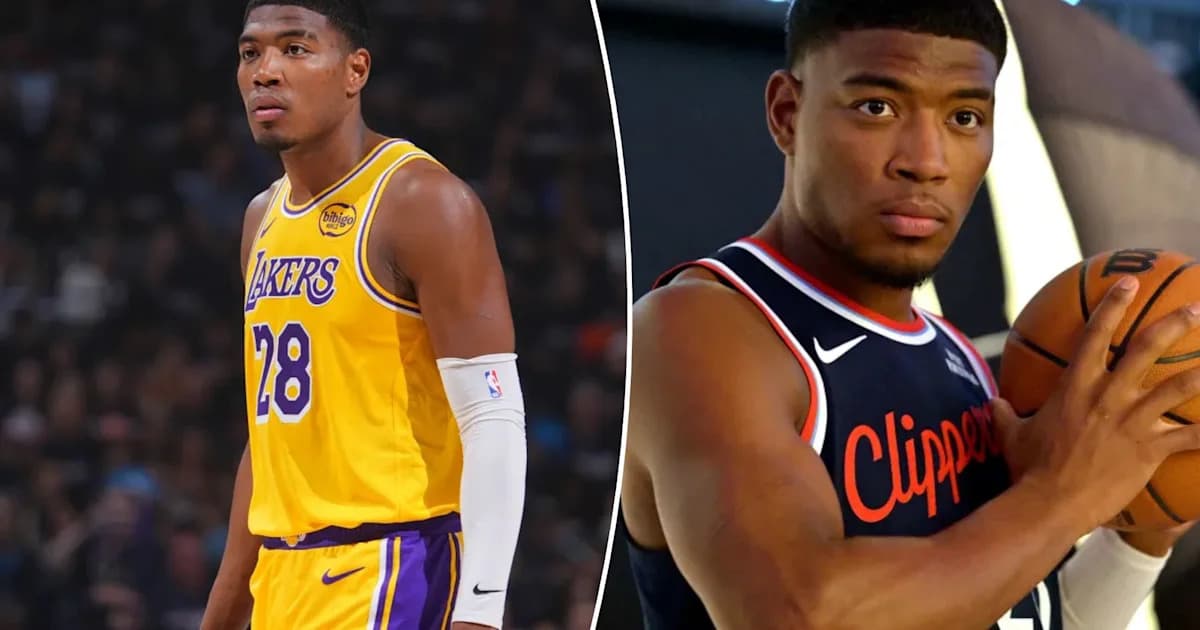
Rui Hachimura Swaps Lakers Fans to Clippers in Surprising Jersey Exchange

Who Will Be the NBA's Next First-Time All-Stars? Top Picks and Long Shots for 2027

How Strong Is Your Team at Home? Check Out the 2026 Brasileirão Home Standings