
Manchester United Makes Statement with Key Midfield Signings
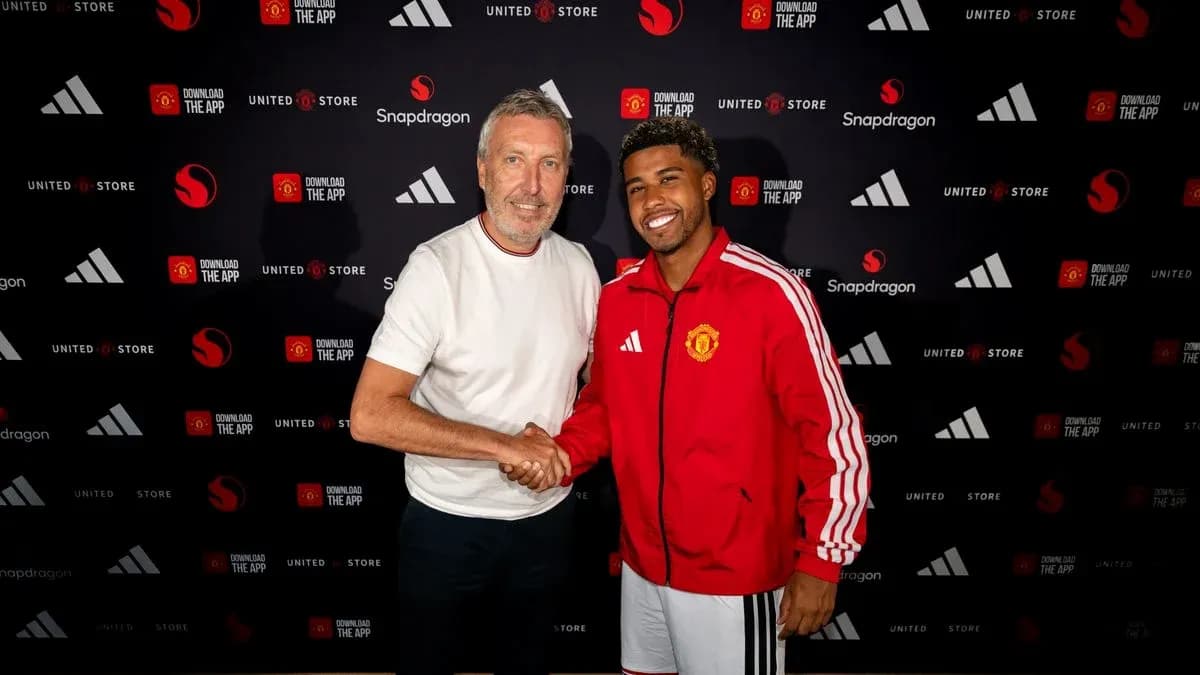
At the start of the week, the noise around Manchester United was familiar and weary. Another window drifting off script, another key target lost. Tottenham had just gazumped them for Mateus Fernandes, and the old accusations of drift and indecision were warming up again.
Then United moved.
Within 48 hours, two midfielders were through the door. Andrey Santos arrived on Monday in a £50 million deal, Youri Tielemans followed on Tuesday for £35m. One missed target, three signings completed overall, and a very different mood around Old Trafford.
The numbers tell their own story. Spurs paid £85m to West Ham for Fernandes and backed it up with a £250,000-per-week contract. United, instead, secured Santos and Tielemans for the same combined fee and kept their wage structure intact. For a club that has spent a decade overpaying to fix yesterday’s mistakes, this was a rare show of restraint with teeth.
Fernandes was the chosen alternative after United lost out on Elliot Anderson to Manchester City, but the club simply refused to meet West Ham’s up-front valuation and wage demands. Tottenham did. United walked away.
This time, walking away looks like a plan rather than a panic.
Santos is a project, not a finished product, but so is Fernandes. The Brazilian has clear room to grow; the Portuguese midfielder, for all his promise, arrives in north London with back-to-back relegations on his record. Potential is obvious, pedigree is not. United’s calculation is simple: if you are paying elite money, you need more than a highlight reel and a projection.
Tielemans, by contrast, is a known quantity. Seven and a half years of Premier League football have built a body of work that scouts and analysts trust. Week after week he has been one of the division’s most reliable midfield operators, and Aston Villa’s reluctance to lose him this summer underlined his standing. This is not a speculative swing. It is a targeted buy.
Fernandes’ upside is real. His metrics last season put him close to Anderson in key midfield categories, which explains why United liked him in the first place. But Tottenham’s decision to go all in – fee and wages – belongs in the high-risk column. United, burned too often by that approach, chose a different route.
The wage element is crucial. Matching Spurs’ £250,000-per-week offer would not just have stretched the budget; it would have detonated a dressing-room hierarchy at a time when the club is actively trying to trim its wage bill. This is a squad still recovering from the inflationary effects of past deals. One more outlier contract and the reset collapses.
Under the previous regime, the story might have been different. When Frenkie de Jong slipped away, United lurched into a huge, late-window deal for Casemiro. That signing brought short-term quality but long-term financial drag. This summer, with new decision-makers in place, the response to missing out on Anderson and Fernandes has been calmer, more deliberate.
There is a growing belief inside Old Trafford that value still exists in a market where Premier League clubs routinely overpay. Santos and Tielemans for the price of Fernandes is now Exhibit A for that argument.
It represents a sharp contrast with another major decision that has dominated the club’s recent narrative: Ruben Amorim. The Portuguese coach arrived with a reputation for tactical conviction and a hard edge in the dressing room. He left with numbers that will haunt his brief tenure.
In the Premier League, Amorim posted the worst win ratio of any United manager in history. His side conceded more goals per game than any of his predecessors and kept the fewest clean sheets. He did tackle the dressing-room culture, pushing out big egos and resetting standards, but the on-pitch damage outweighed the off-pitch gains. The appointment was a mistake, and the board took heavy criticism for it.
That criticism was deserved. Hiring a stubborn coach who never truly fit the club’s environment was a failure of judgment. Yet the same hierarchy must also be judged on what comes next. On recruitment, at least, the new regime looks sharper. The sense last summer was that the penny had finally dropped. This window has been more awkward, more contested, but the Santos and Tielemans deals suggest the direction of travel remains positive.
Nobody at Old Trafford is pretending the rebuild is complete. Far from it. United still need a third high-calibre midfield addition, and other areas of the squad require attention. But when Fernandes slipped away, the club did not spiral into desperation. Instead, they closed two deals in quick succession that fit a broader strategy.
Tielemans, in particular, feels like a signing with layers. At 29, he arrives with a wealth of Premier League experience and a profile that should mesh cleanly with Michael Carrick’s plans. His passing numbers over recent years have been outstanding; few midfielders in the division have played more balls into tight spaces, threading passes to team-mates within three metres and stitching together attacks. He keeps moves alive. He accelerates them when the moment comes.
Jason Wilcox, speaking after Tielemans’ arrival, did not bother with understatement. “Youri has consistently been one of the most outstanding midfielders in the Premier League,” he said. “He has all of the technical qualities, as well as the ambition and mentality, to thrive at United.” Wilcox also highlighted his leadership, and with good reason.
Tielemans captains Belgium and wore the armband in his final season at Leicester. That matters at a club still dealing with the vacuum left by Casemiro’s exit. The Brazilian’s form faded, but his presence in the dressing room did not. United needed another voice, another reference point in the middle of the pitch. Tielemans brings that, along with a game built on intelligence rather than raw athleticism. He should age well.
Santos, younger and less proven, offers a different kind of intrigue. He will not be asked to carry the midfield from day one, but he does not need to. With Tielemans anchoring the structure and another senior addition still on the agenda, United can afford to develop him properly rather than throwing him into chaos.
For once, the pieces look like they belong to the same puzzle.
The scars of the Amorim era will not disappear overnight, and one smart week in the transfer market does not erase years of missteps. Yet this is how a club changes its trajectory: not with one grand gesture, but with a series of coherent decisions that line up with a clear idea of what the team should be.
United have chosen value over vanity, structure over short-term noise. If Santos grows as expected and Tielemans delivers the control and leadership his career suggests he will, this week may be remembered not for the player they lost to Tottenham, but for the moment their recruitment finally started to look like it belongs in the modern game.
Related News
UFC 332 Preview: Natalia Silva vs. Wang Cong Fight Card, Odds, Start Time, and Details
Andy Roddick Responds to Andre Agassi’s Comments on Alexander Zverev at the Laver Cup
Knicks Prepare for Flexible Roles in Title Defense
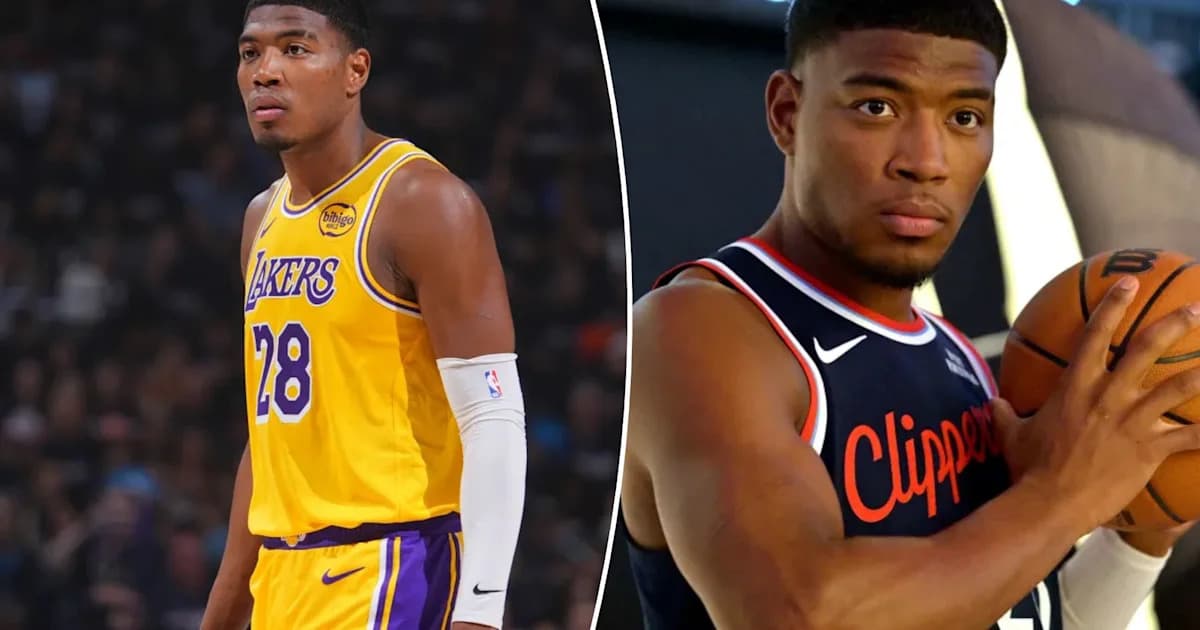
Rui Hachimura Swaps Lakers Fans to Clippers in Surprising Jersey Exchange

Who Will Be the NBA's Next First-Time All-Stars? Top Picks and Long Shots for 2027

How Strong Is Your Team at Home? Check Out the 2026 Brasileirão Home Standings