
Manchester United's Rashford Dilemma: Financial Logic vs Football Value
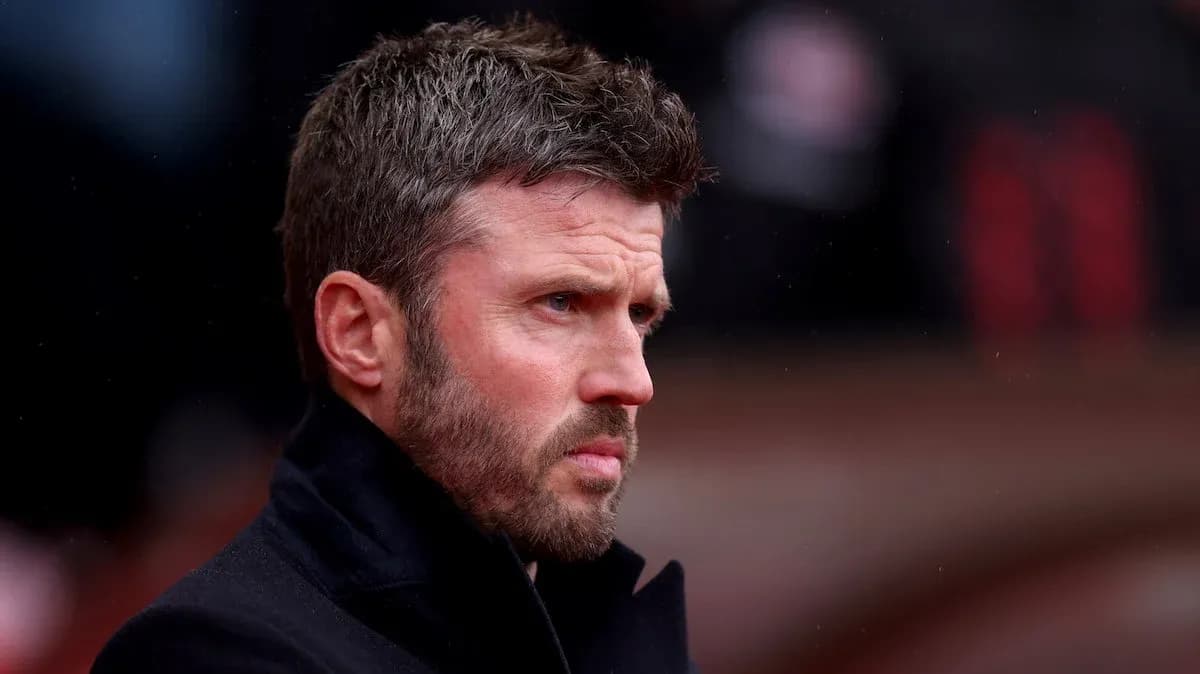
Manchester United want to sell Marcus Rashford this summer. Michael Carrick wants to keep him. United have missed on their top targets out wide. And yet the plan hasn’t changed.
So why are they still trying to move on from a 28-year-old academy forward who, even out of sorts, remains one of the most dangerous attackers in the squad?
Follow the money.
A cold equation at Old Trafford
Rashford earns £325,000 a week at Old Trafford once his Champions League bonus kicks in, a standard clause in United contracts. His deal runs until 2028. Over the next two years, that is close to £34 million in guaranteed wages for a player who underperformed for 18 months before clashing with head coach Ruben Amorim in December 2025.
From a business standpoint, it is simple. One of the club’s most expensive assets has not been delivering. In any other industry, a high-earning, underperforming figure would be moved on to clean up the balance sheet.
That is the INEOS logic. Since Sir Jim Ratcliffe’s arrival as co-owner in 2024, driving down the wage bill has become a central pillar of the project. The refusal to indulge the “One More Year!” calls for Casemiro, which would have meant around £350,000 a week, was a clear marker.
The same hard line is being applied to Rashford. First when Amorim wanted him gone. Now again, even with Carrick open to reintegrating him at Carrington.
This is not about a toxic dressing-room presence. It is not about a manager frozen out by a sulking star. Even Erik ten Hag, no soft touch and hardly a natural cheerleader, called Rashford “unstoppable” not long after dropping him for turning up late.
This is about spreadsheets, not touchlines. A calculation made in the offices at M16 by a regime obsessed with the bottom line, the sort of calculation that helped turn Ratcliffe into one of Britain’s richest men. The “Local Lad” may now live in Monaco, but the numbers still rule.
Rashford is a pure academy product. From a PSR (Profitability and Sustainability Rules) perspective, that matters. Any transfer fee United receive for him counts as pure profit in the books. When they agreed a £26 million buy option with Barcelona in last summer’s loan, the figure looked low for a player of his profile. Yet from a PSR angle, it would have been a clean, lucrative win.
Barcelona passed on that option, but the principle remains. Whatever United bank for Rashford this summer will be treated the same way. Sell him, book the profit, and recycle the cash into a replacement on lower wages and a more manageable amortised fee.
That is the theory. The question is whether the football justifies the finance.
Cheaper, not better
The counterpoint is obvious: if you are going to move on from Rashford, you had better replace him with someone superior, or at least comparable.
That is not where United are.
Crysencio Summerville has emerged as the prime candidate on the left. The West Ham United winger is viewed as the “No.1 target” this summer, with United hoping relegation from the Premier League would soften the Hammers’ stance.
It hasn’t. West Ham are holding firm at around £50 million, a position only strengthened by the 24-year-old’s impressive World Cup campaign with the Netherlands.
Even at that price, the numbers appeal to INEOS. A £50 million fee spread across a five-year deal hits the books at £10 million per year. Summerville is thought to be earning roughly £50,000 a week at the London Stadium and would look for around £100,000 a week at United. Over a season, that is £10 million in amortised transfer fee plus £5.2 million in wages.
Just over £15 million all in.
Set that against the £16.9 million Rashford will earn in wages alone in 2026/27 and the logic becomes clear. Summerville costs less now, offers more resale value later, and does not arrive with the baggage of a long, expensive contract.
Fast forward two years. Rashford walks away on a free, approaching 31. Summerville, still short of his peak, could be sold at a profit.
On paper, it is tidy business. On the pitch, it is not so straightforward.
Even Rashford’s fiercest critics would struggle to argue, with a straight face, that Summerville is the better footballer. The Dutchman has 10 goals and eight assists across four Premier League seasons, 84 appearances in total. Rashford, on loan at Barcelona, produced more assists in a single debut La Liga campaign, often coming off the bench.
Barcelona did not want to pay the £26 million to keep him permanently, but they were keen to bring him back on another loan. They were comfortable with his wages, just not the transfer fee. A Champions League heavyweight judged that Rashford’s output justified his salary.
If that equation works at Camp Nou, why is it deemed unacceptable at Old Trafford, where the financial dynamic would be almost identical?
To make matters more awkward, United are not even leading the chase for Summerville. AS Roma are in talks with West Ham and have the player’s approval for a move to the Italian capital, according to reports.
So United are braced to lose a homegrown international forward and may not even land the cheaper, less proven alternative they have identified.
The left-wing plan that never was
This was not how the summer was supposed to look.
Heading into the window, United’s preferred targets on the left were RB Leipzig’s Yan Diomande and Aston Villa’s Morgan Rogers. Both were seen as clear upgrades on Rashford, players who could reshape the attack and fit the long-term profile INEOS want.
Then reality bit. The prices for Diomande and Rogers stretched beyond what United could realistically commit, with a major midfield overhaul already swallowing a large chunk of the budget. That is when Summerville’s name moved to the top of the list: a compromise option, affordable and accessible.
Strip it back and the choice becomes stark. Keep Rashford, on big money, in the hope that a fully engaged, properly used version of him re-emerges under Carrick. Or cut him loose now, bank the PSR profit, and roll the dice on a winger who, by most measures, is a downgrade.
Carrick’s stance is clear. He believes Rashford is worth the outlay. He sees a player who can still decide big games, who has proved he can handle the Old Trafford spotlight, and who has already shown he can adapt to a different league with Barcelona.
The hierarchy see a different picture: a high earner, inconsistent form, and a rare chance to book a substantial profit from a player produced in-house.
Both sides can point to logic. One speaks the language of tactics, dressing-room dynamics and match-winning moments. The other speaks the language of PSR, amortisation and wage-to-turnover ratios.
At some clubs, football wins that argument. At United, under INEOS, the ledger may yet shout louder than the manager’s voice.
If Rashford does go and a lesser player takes his place on the left, the numbers will make sense on the balance sheet. The real test will come on a cold night at Old Trafford when United need a goal and look to that flank.
Who will be standing there then?
Related News

UFC 332 Preview: Natalia Silva vs. Wang Cong Fight Card, Odds, Start Time, and Details
Andy Roddick Responds to Andre Agassi’s Comments on Alexander Zverev at the Laver Cup

Knicks Prepare for Flexible Roles in Title Defense
Rui Hachimura Swaps Lakers Fans to Clippers in Surprising Jersey Exchange

Who Will Be the NBA's Next First-Time All-Stars? Top Picks and Long Shots for 2027

How Strong Is Your Team at Home? Check Out the 2026 Brasileirão Home Standings