
Marc Kosicke Joins DFB as Klopp's Assistant Coach
Jürgen Klopp did not arrive at the DFB alone. He brought the man who has quietly shaped some of the most powerful ideas in German football.
Marc Kosicke, long known as Klopp’s right-hand man, will now serve as “assistant coach for strategy, development and innovation” for the national team. To clear the way, he has stepped down as managing director of his company Projekt Five and ended his advisory work for other coaches. The partnership with Klopp, which has lasted around two decades, is being taken into a new arena.
“It is not enough for only a head coach to come in,” he said. “We have to change a great many things. We want to turn over every stone.”
That is precisely the terrain in which Kosicke operates: between football, identity and long-term planning.
He is widely regarded as the “inventor” of the modern coach adviser in Germany, a figure who works in the shadows yet influences how clubs and coaches present themselves and think. Until 2021, he also worked with Julian Nagelsmann. Long before that, the Bremen-born, self-confessed Werder fan had already left a deep imprint at Bayern Munich of all places.
The irony is delicious. A Werder supporter, adviser to Borussia Dortmund’s most successful modern coach, becomes the man who turns Bayern’s self-image into a global brand.
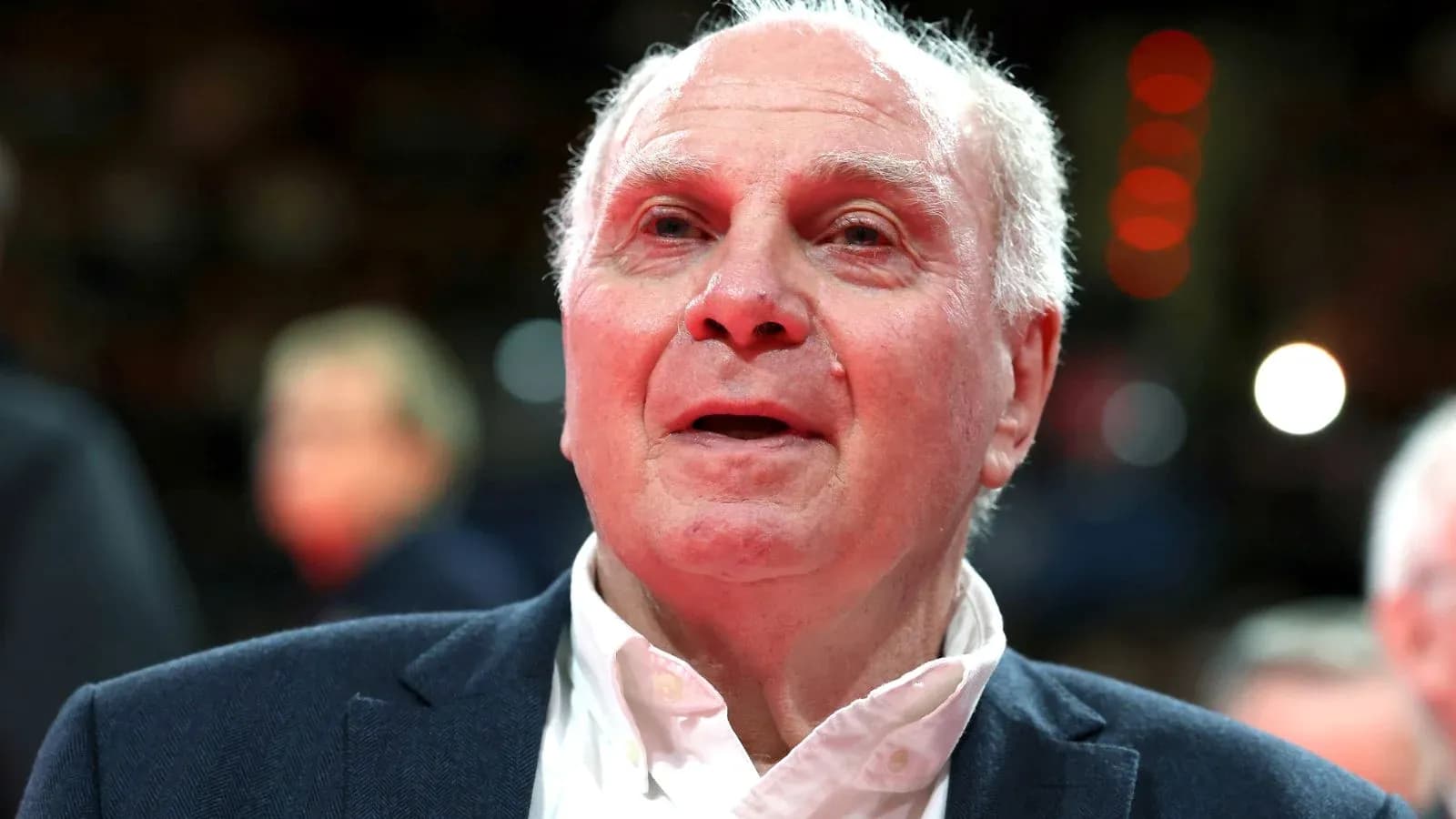
The story begins in 2008, on a plane to Switzerland. Kosicke was travelling to a FIFA event with his then business partner Oliver Bierhoff. Uli Hoeneß happened to be on the same flight. The Bayern strongman was frustrated, complaining about his own players and bemoaning the fact that nobody could clearly say what Bayern Munich actually stood for.
Kosicke pressed him: what did Hoeneß think Bayern stood for? There was no clear answer.
That gap — between power and identity — is where Kosicke stepped in. He told Hoeneß about his years at Nike and Adidas, about “company bibles” that spell out values and messages for every employee. Hoeneß was intrigued and asked whether he could create something similar for Bayern.
Kosicke agreed, as he later put it, “with 100 per cent cluelessness but a lot of self-confidence”. Hoeneß wanted him, not “some Roland Berger tie-wearing troupe”. So Kosicke built a deliberately mixed working group: people from the fan shop and marketing, the kit man, the youth coordinator, media chief Stefan Mennerich, chief scout Wolfgang Dremmler. For four weeks they sat together and worked through what Bayern should stand for.
The slogan itself, though, was never in doubt in his mind. “Mia san mia” was fixed from the very beginning, he said. He already had it in his head during that first conversation with Hoeneß on the plane, but kept it to himself so he wouldn’t “shoot his bolt” too early. The group’s task was to shape the values that would live under that banner.
In the end they settled on 16 “commandments”. Simple, hard-edged principles. “We are a family and stand by one another.” “We do not communicate about one another in public.” Sentences that could sit on a dressing-room wall and in a boardroom slide deck alike.
For the final presentation to the board, Kosicke went for effect. He had a few prototype copies of the Bayern “bible” bound in real lederhosen leather. When he unveiled the title, the room loved it. Almost.
Hoeneß joked: “Great slogan, but this MIR is a space station.” On the cover it read “Mir san mir”, not “Mia san mia”. A Bremen native trying to write Bavarian had slipped. That was quickly corrected. The core idea remained.
Kosicke’s job did not end with a slogan and a leather-bound booklet. Alongside the bible, he drew up a roadmap for how Bayern should embed those values across the club. When he sent his invoice, he assigned his rights to the slogan to Bayern and promised: as someone from Bremen and adviser to Jürgen Klopp, he would not parade himself as the great inventor of “Mia san mia”.
The plan was clear: every new arrival at Bayern — an office employee, a youth player from Fürstenfeldbruck, a star like Sadio Mané — would receive this bible as part of their onboarding. The message: this is who we are, these are the values we live by.
Now that same mind, used to turning vague identity into sharp doctrine, is stepping into the DFB alongside Klopp. The man who helped bottle Bayern’s “Mia san mia” will try to help Germany rediscover what it stands for.
Related News
UFC 332 Preview: Natalia Silva vs. Wang Cong Fight Card, Odds, Start Time, and Details
Andy Roddick Responds to Andre Agassi’s Comments on Alexander Zverev at the Laver Cup

Knicks Prepare for Flexible Roles in Title Defense

Rui Hachimura Swaps Lakers Fans to Clippers in Surprising Jersey Exchange

Who Will Be the NBA's Next First-Time All-Stars? Top Picks and Long Shots for 2027

How Strong Is Your Team at Home? Check Out the 2026 Brasileirão Home Standings