
Marcus Rashford's Future at Manchester United: Reflection and Choices
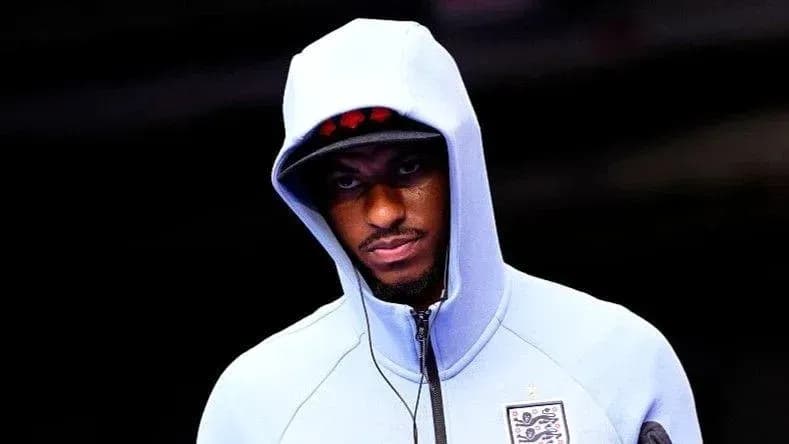
Marcus Rashford stood thousands of miles from Manchester, in Miami, at the end of a World Cup that had pushed England to heights not seen since 1966, and chose reflection over noise.
“Keep believing in us. Our time will come,” he wrote after the 6-4 third-place play-off win over France. Then came the line that really mattered: time to “rest, reflect… and come back a better version of myself.”
At 28, with La Liga and 77 England caps on his CV, reflection is not a luxury. It’s the crossroads.
Because for all the sunshine, medals and optimism of England’s run, the biggest question waiting for Rashford sits under grey skies back home: is his future still at Manchester United?
Contract, clauses and a cooling market
On paper, Rashford is locked in. Contracted to United until 2028. Earning £325,000 a week, the club’s top earner at a time when Sir Jim Ratcliffe is trying to drag the wage bill into something resembling modern reality.
Barcelona had their chance. His loan spell at the Nou Camp last season came with a £26m option to buy. The deadline passed in mid-June with barely a murmur. No push, no late scramble. Just a quiet expiry.
Another clause offered an escape route: any club outside Liverpool and Manchester City could have taken him for £40m earlier this month. That door closed as well. No bids. No brinkmanship.
People close to Rashford never believed a higher offer would suddenly appear from nowhere when Barcelona, with the lowest buy option, had already walked away. The market has spoken, for now.
With England duty done, Rashford has earned a three-week break. If nothing changes, he will report back just as United head for a six-day training camp in the Republic of Ireland, built around a meeting with Leeds at Croke Park on 12 August.
And this time, the mood at Carrington will be very different.
From the ‘bomb squad’ to a possible reboot
Ruben Amorim arrived from Sporting Lisbon and almost immediately collided with Rashford. Within weeks, the relationship had fractured. Exile followed. A loan to Aston Villa followed that. When pre-season began last summer, Rashford was lumped into Amorim’s notorious “bomb squad” alongside Alejandro Garnacho, Antony, Tyrell Malacia and Jadon Sancho.
The other four have all gone. Rashford remains the loose end.
Now the dynamic has shifted. Amorim is out. Michael Carrick is in.
Carrick is not just a manager to Rashford. He is a former team-mate, a former coach and, briefly after Ole Gunnar Solskjaer’s dismissal in 2021, his caretaker boss. The relationship, by all accounts, is good. The only time Carrick has spoken publicly about Rashford since returning, his words were measured and conciliatory, very much in line with his understated personality.
He has not yet been pressed on whether he wants Rashford back in the core group. United, for their part, have been clear: they will not renegotiate a cheaper permanent deal with Barcelona, and they are not entertaining a second loan.
Complicating matters further, Barcelona have moved on. Anthony Gordon has already arrived, Karim Adeyemi is on his way from Borussia Dortmund. The obvious escape hatch has closed.
United’s new hard line
United’s stance on Rashford is being delivered in a summer where the club is trying to redraw its identity in the transfer market. No more being shaken down. No more late-window panic buys at inflated prices.
They walked away from Elliot Anderson when Nottingham Forest pushed the price to £116m and sold him to Manchester City. They did the same with Mateus Fernandes, who joined Tottenham from West Ham for £85m.
Inside Old Trafford, director Michael Sansoni and his data team have grown in influence. The belief is that smarter recruitment can replace the old habit of throwing money at problems and hoping they disappear.
The message is blunt: United will not be bullied when they buy. And they will not be pushed when they sell.
That has consequences for Rashford. His wage level instantly narrows the pool of potential buyers. Only a handful of clubs across Europe could match his salary, and even then, he would have to want to go.
He is not about to risk his England place with a move that takes him off the radar. On top of that, BBC Sport has been told there are some Premier League clubs he simply would not consider.
So when the window closes on 1 September, the most realistic outcome is simple. Marcus Rashford still at Manchester United.
A shrinking market for a big name
After England, Spain, Turkey, Germany – those are the vague outlines of what might come next if anything materialises. Vague is the key word. There is no queue forming for the 15th highest scorer in United’s history, a forward with 138 goals and just 17 more needed to break into the club’s all-time top 10.
That lack of a clear next step fuels the split in opinion around Old Trafford.
Plenty, including former captain Gary Neville, believe the story is done. That Rashford and United need a clean break, no reunion, no second act.
Yet the reality of the market, the size of his contract and the absence of firm offers may force both sides into something they did not plan: a reconciliation.
And not everyone would complain.
“A fit and focused Marcus Rashford has the ability to be one of the best players,” said his friend Sam Smith, the Wrexham forward who scored the winner in their pre-season victory over Carrick’s side in Helsinki on Saturday, speaking to the United We Stand podcast.
“He has everything. He has had a difficult time at United and getting away from it all was a good thing.
“I don’t know what is going to happen but as his friend, I hope he comes back and proves how good a player he was, how good he can be and starts scoring goals again.”
Prime years, defining choices
Rashford turns 29 during this contract. These are supposed to be his prime years: physically at his peak, mentally hardened by setbacks, finally surrounded by a more coherent United structure.
He has just lifted a league title with Barcelona, played in six of England’s eight World Cup games under Thomas Tuchel and helped deliver the country’s best tournament finish since 1966. The achievements are real. So are the doubts.
Is he the spearhead of a new United under Carrick and Ratcliffe’s regime, or a relic of an era the club is trying to leave behind?
The player himself has already signposted the next step: rest, reflection, return. When he walks back through the doors at Carrington after his holiday, the room will have changed. Different manager. Different tone. Different expectations.
The question is whether Marcus Rashford has changed with it – and whether Old Trafford is still the stage where he proves it.
Related News
UFC 332 Preview: Natalia Silva vs. Wang Cong Fight Card, Odds, Start Time, and Details
Andy Roddick Responds to Andre Agassi’s Comments on Alexander Zverev at the Laver Cup
Knicks Prepare for Flexible Roles in Title Defense
Rui Hachimura Swaps Lakers Fans to Clippers in Surprising Jersey Exchange

Who Will Be the NBA's Next First-Time All-Stars? Top Picks and Long Shots for 2027
How Strong Is Your Team at Home? Check Out the 2026 Brasileirão Home Standings