
Marcus Rashford's Manchester United Future: Release Clause Expired
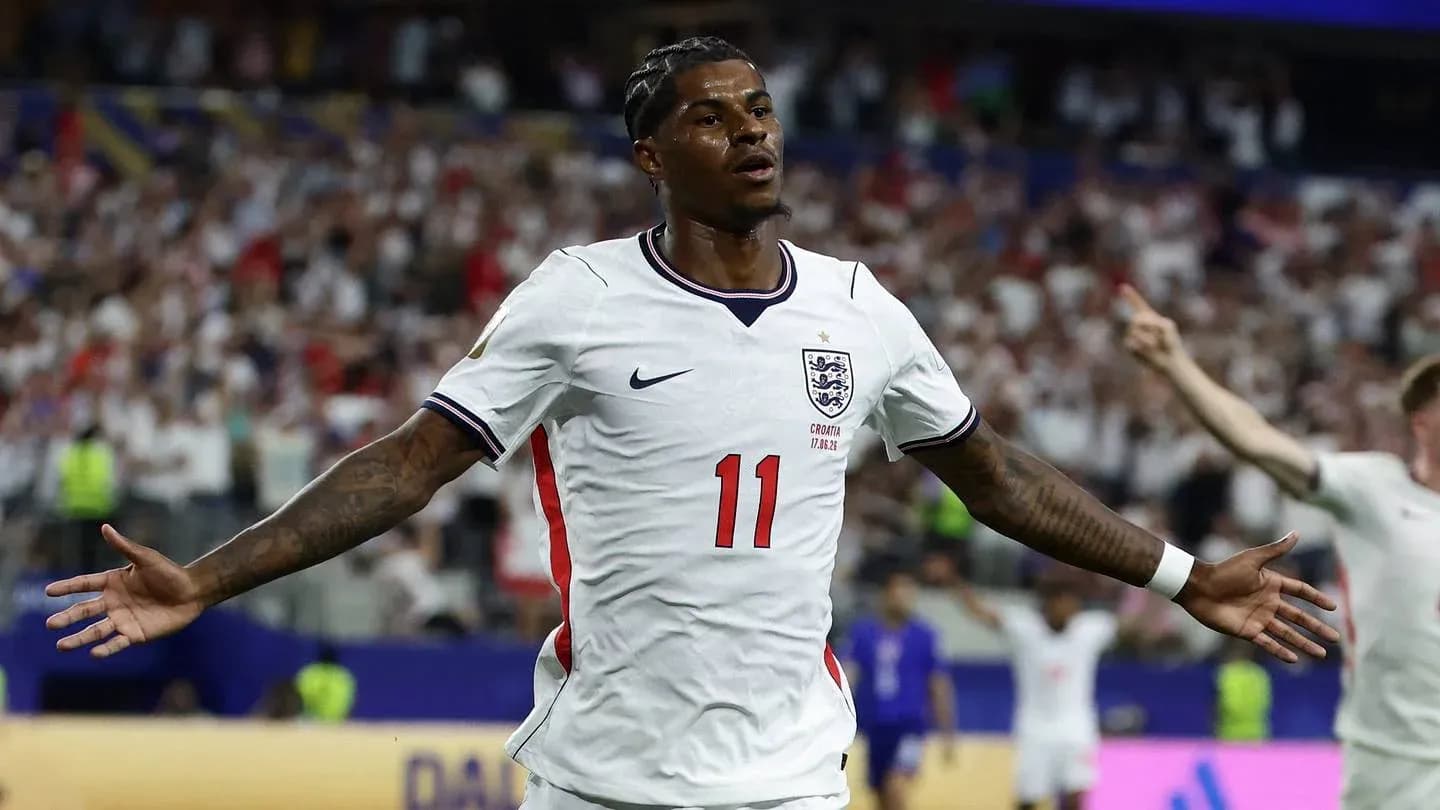
Marcus Rashford’s Manchester United future has lurched into a new phase, not with a transfer, but with the quiet ticking down of a clause.
The release clause in his contract, which would have allowed any club outside Liverpool and Manchester City to sign him for $53.1 million (£40 million), has now expired, according to The Athletic. That safety valve is gone. Any club wanting Rashford from this point must go through United, and United alone, to get him out of Old Trafford.
On paper, nothing dramatic has changed. In reality, the landscape feels very different.
A Route Out Closes – For Now
Rashford is due back at Carrington once England’s World Cup campaign is over, preparing for life under Michael Carrick. That is the plan. Whether it becomes the reality of his season is a far more complicated question.
He has already watched one dream move slip away. Barcelona, where he impressed on loan last season, chose not to trigger an option worth $34.4 million (€30 million). The Catalan club instead pushed their money towards another England international, Anthony Gordon from Newcastle United, with Borussia Dortmund’s Karim Adeyemi expected to follow into a revamped forward line.
Barcelona was the romantic route: a big club, a big stage, a style of football that suits him. That door is shut.
The expired release clause had offered something else: clarity. A fixed price, a clean exit, a way out of the uncertainty that has hung over his career for the last 18 months. That path has not been taken, but not for a lack of interest.
Rashford is understood to have already turned down several offers, including proposals that would have lifted his wages beyond his current level. Given the scale of those numbers, those suitors almost certainly came from Saudi Arabia. The money was there. The move was not.
United Open, But on Their Terms
The end of the clause does not mean United are slamming the door. Far from it. The club remain open to a sale, and will listen to offers, but any buying side that missed the deadline now has to negotiate directly with Old Trafford’s hierarchy. There is no bargain-bin figure to lean on, no legal trigger to bypass United’s stance.
What that stance actually is, financially, remains opaque. There is no clear asking price in the public domain, no firm valuation being briefed out. The message, instead, is one of conditional openness: United will encourage offers, but not at any cost.
Much rests on Rashford himself. His decisions over the past few weeks have already shown there is a plan in his head, even if it is not yet visible from the outside. He has knocked back deals that would have made him richer, and reports suggest he is not especially keen on joining another Premier League club. That points him abroad again, but the queue on the continent is not exactly snaking around the block.
Interest from mainland Europe has been relatively muted so far. Clubs are watching, but nobody has yet stepped forward with the kind of concrete proposal that would force United and Rashford into a decision.
Carrick’s Calculus and a Wage-Sized Problem
For now, the expectation is simple: Rashford returns to Manchester later this summer and starts work under Carrick. The new manager is believed to be open to a reunion with a player who lost his place under former boss Ruben Amorim, but never truly burned bridges on the way out.
This is not a dressing-room rift that needs healing. It is a football and financial equation that needs solving.
United’s biggest headache is Rashford’s salary. At 28, he is the club’s top earner, on a reported wage comfortably north of $404,600 (£300,000) per week. With Casemiro’s own hefty deal now off the books, Rashford stands alone at the summit of the pay structure.
That level of money is usually reserved for players who carry a team, week in, week out. For a time, it looked like he might become exactly that. His 2022–23 season, with 30 goals and 12 assists, suggested a forward finally aligning talent with consistency, a player ready to justify superstar wages.
The years since have not followed that script. A sharp dip in form has left United wary of committing to that salary for a player who has not consistently delivered at that level. That is the tension at the heart of this saga: a homegrown attacker with elite upside, on elite money, without elite output in recent seasons.
It is why United are still listening. They have already allowed Rashford to leave on two cut-price loans, first to Aston Villa for six months, then to Barcelona on terms that fell short of what his peak market value might once have been. The feeling inside the club now is clear: no more discounts.
If Rashford goes, it will be for a fee that reflects both his age and his potential, not just the recent downturn.
A Player United Still Need
There is another layer to this, one that Carrick will be acutely aware of when he draws up his first teamsheets: the squad itself. United are short of a natural left winger. Rashford, for all the debate around his form, fits that hole perfectly.
His pace, his direct running, his ability to stretch a back line from that flank – these are not easily replaced, especially when the club are trying to reset their wage bill and recruitment strategy. Letting him go would free up salary and potentially bring in a sizeable fee, but it would also strip Carrick of one of the few players who can still tilt a game in a moment when he is right.
That is the calculation now facing United’s decision-makers. Keep the highest earner and gamble on a resurgence under a new manager, or cash in while they can and accept the risk of watching a revived Rashford shine somewhere else.
The clause is gone. The safety net has been cut away. What happens next will say a lot about how bold – or how cautious – Manchester United are prepared to be in reshaping their future.
Related News
UFC 332 Preview: Natalia Silva vs. Wang Cong Fight Card, Odds, Start Time, and Details
Andy Roddick Responds to Andre Agassi’s Comments on Alexander Zverev at the Laver Cup
Knicks Prepare for Flexible Roles in Title Defense
Rui Hachimura Swaps Lakers Fans to Clippers in Surprising Jersey Exchange

Who Will Be the NBA's Next First-Time All-Stars? Top Picks and Long Shots for 2027

How Strong Is Your Team at Home? Check Out the 2026 Brasileirão Home Standings