
Marcus Rashford's Pay Rise and Manchester United's Contract Legacy
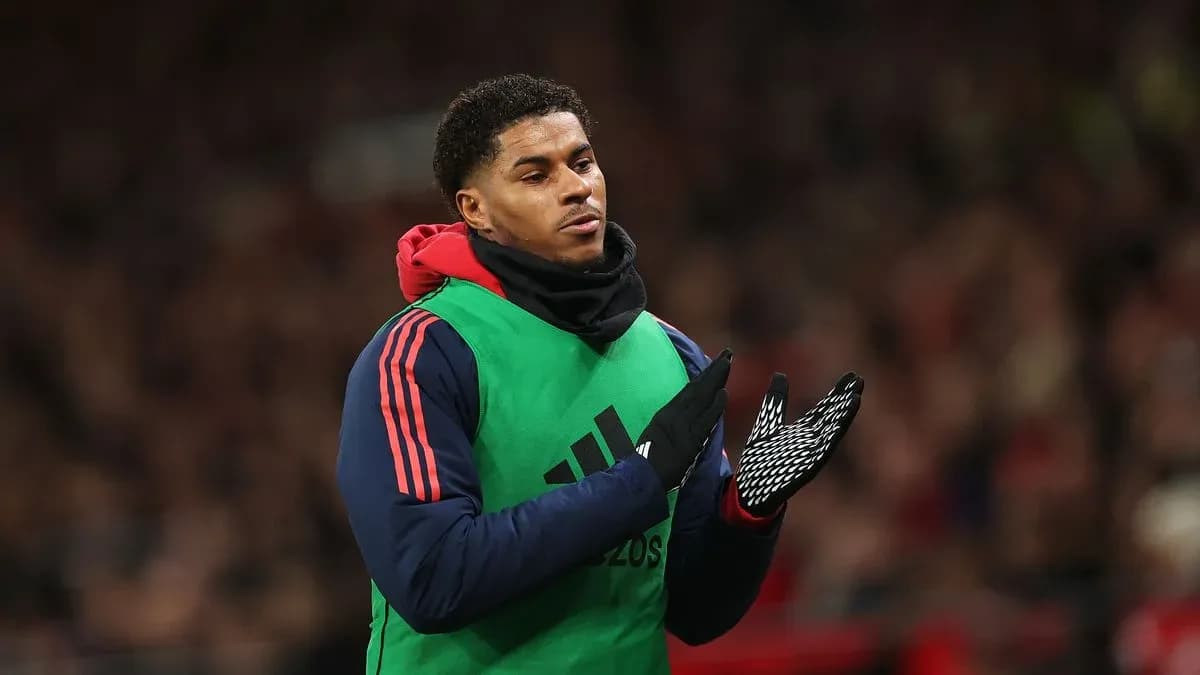
Marcus Rashford is poised for a major pay rise at Manchester United without having kicked a ball for the club last season – and it has forced the hierarchy to confront the cost of their own contract legacy.
Under United’s previous bonus structure, Champions League qualification triggered automatic wage uplifts for a number of senior players, regardless of how much they had actually played. Finishing third in the Premier League has now reactivated those clauses, sending salaries back up after a year of cuts when United missed out on Europe’s elite competition.
Rashford is the most striking example. The England forward, who spent last season away from Old Trafford and played zero minutes for United, will see his pay packet swell by around £4million a year thanks to a 25 per cent uplift written into his last contract. That bump pushes him back over the £300,000‑a‑week mark.
A few years ago, simply reaching the Champions League was enough to trigger those rewards across the board. No questions asked. No minute thresholds. That generosity has come back to bite.
United have since tried to slam the door on that era. Under a revamped policy, players now need to feature in more than 60 per cent of the previous season’s minutes – just over 2,000 in total – to unlock Champions League bonuses. The idea is simple: only regular contributors cash in.
If that rule had applied to Rashford last season, he would not be seeing a penny of this latest uplift. Nor would Mason Mount, whose own contract, signed around the same time as Rashford’s renewal, also contains the old-style clause. Mount’s limited minutes mean he would fall well short of the new threshold, yet as it stands he is still in line to cost United an extra seven-figure sum in wages over the coming year, with the rise understood to be worth more than £1m.
Andre Onana, another arrival from that same summer, is also protected by the legacy system. His salary increase has technically kicked in, but with Trabzonspor covering his wages during his loan spell, United have at least avoided an immediate extra hit on their own books.
Others have not been so fortunate – or so fortunate for them, at least. Joshua Zirkzee did not reach the 60 per cent mark last season and, crucially, his deal came after the rule change. His wages therefore stay flat despite United’s return to the Champions League.
The financial tension this creates is obvious. Both Rashford and Onana have been made available for permanent transfers, yet United have struggled to find takers prepared to match their current terms and absorb the built‑in bonus clauses. The numbers are heavy; the market, cautious.
Rashford’s case is particularly delicate. He impressed during his stint at Barcelona, who admired his impact but ultimately stepped away from a permanent deal for financial reasons. For United, those same finances have been a driving force behind attempts to move him on. A player who did not contribute a minute last season now commands one of the highest salaries at the club, with a Champions League sweetener on top.
Yet the mood has shifted. What began as a clear intent to cash in has softened into something closer to a reluctant embrace. United’s stance has undergone a significant U‑turn, and it now looks increasingly likely Rashford will stay at Old Trafford, at least in the short term. The club must now find a way to extract value from a contract that has already cost them plenty.
All of this plays out against a tight summer budget. United’s recruitment team have had to work the margins, securing smart deals for Youri Tielemans and Andrey Santos while watching other targets slip away. Moves for Elliot Anderson and Mateus Fernandes proved too expensive, a sign of how finely balanced the numbers have become.
The knock‑on effect is clear: the club may no longer have the funds to bring in a third midfielder, despite initial plans. Attention has drifted instead toward a new left-back and a centre-forward, areas where the squad still looks light.
United’s return to the Champions League was supposed to ease the pressure. Instead, old clauses and old promises have collided with new realities. The question now is whether the club can reshape a top-heavy wage bill quickly enough to build the squad they need – while one of their highest earners fights to reclaim his place on the pitch, not just on the payroll.
Related News
Carlos Alcaraz Urges an End to Matches Ending in the Early Hours
Carlos Alcaraz Criticizes Late US Open Finish After 3:30 a.m. Match
Jannik Sinner Set for ATP 500 Return in Beijing with Novak Djokovic Also Competing
Meet Iva Jovic: The American Tennis Prospect Making Waves
Flavio Cobolli Shares Insights on Practice Session with Jannik Sinner Ahead of Comeback

Till vs Romero: Fight Details, Undercard, and Viewing Info for This Weekend