
Maresca Ends Captaincy Tradition as New Era at City Begins
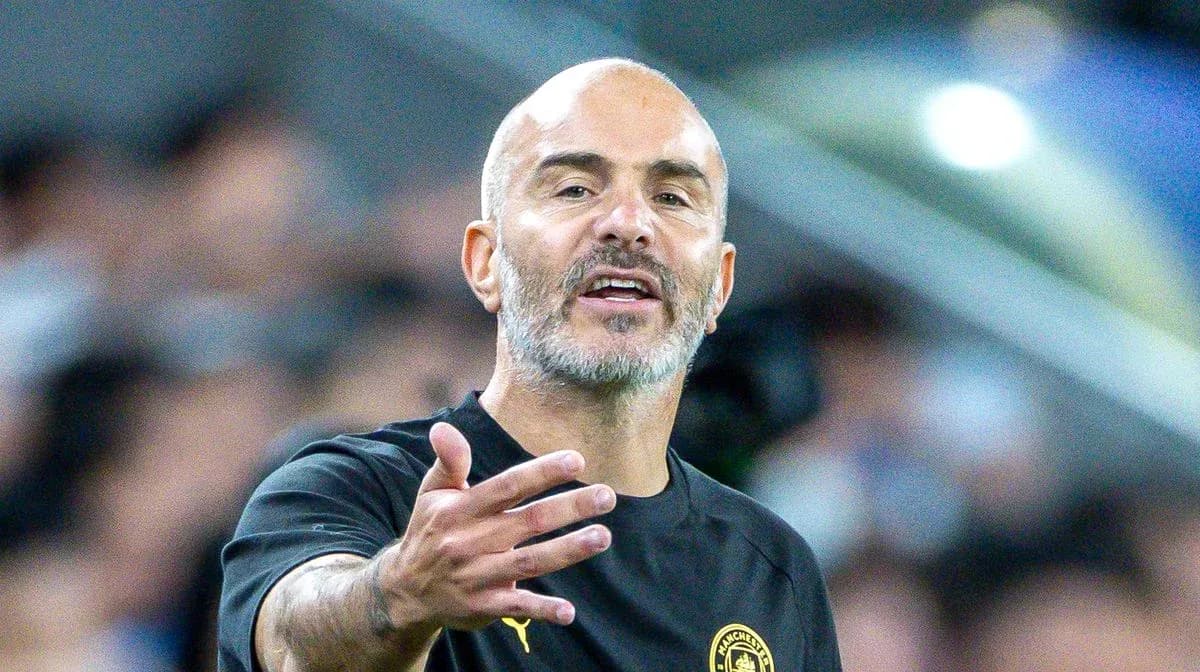
Enzo Maresca has not come to Manchester City to simply keep the lights on. The new manager has walked into one of the most finely tuned dressing rooms in European football and made one thing immediately clear: he, not the players, will decide who leads this team.
The long‑standing tradition of a squad vote for captaincy is gone. No ballot, no quiet lobbying, no popularity contest. Maresca will hand-pick his leadership group, and he already knows the profile he wants.
At the heart of it, one decision looks almost inevitable. With Bernardo Silva heading to Real Madrid, Ruben Dias is expected to inherit the armband. The Portugal centre-back was a leading candidate last summer before Pep Guardiola halted the dressing-room vote, and his stature inside the club has only grown since. He has turned down interest from elsewhere in recent months, nailed his colours to the mast, and positioned himself as the natural standard-bearer for this new chapter.
Last season’s leadership group was small but powerful: Dias, Erling Haaland and Rodri. Now that Barcelona are moving quickly to close a deal for Rodri, those foundations are shifting. The core that drove City through so many defining nights is being rebuilt in real time.
That creates space. And Maresca intends to use it.
Josko Gvardiol is one of the players ready to step forward if asked, a defender whose personality matches his aggressive style. But the Italian coach has a specific requirement for at least one of the remaining slots: he wants an English voice embedded in the group.
Not as a token gesture. As a pillar.
Phil Foden hears that call louder than anyone. This week, he spoke publicly about his responsibility to step up, conscious that he is now the longest-serving member of the first-team squad. At 26, the local star who once represented the future suddenly finds himself part of the club’s institutional memory.
The last two years have not been kind to Foden. Since being named the Premier League’s best player, his form has dipped, his influence has wavered, and injuries and inconsistency have chipped away at the aura that once surrounded him. Maresca’s arrival offers something he badly needs: a reset.
If the manager is looking for an English leader who understands the weight of the shirt and the expectation of the fanbase, Foden has every reason to believe this is his moment. The question is whether he can marry that emotional connection with the relentless standards required of a City captain.
He will not be the only English contender.
Marc Guehi, who wore the armband at Crystal Palace, arrived at City in the winter window and slotted into the side with barely a misstep. His calm, assured presence and previous captaincy experience make him an obvious candidate once he returns from his post-World Cup break. He has already shown he can carry responsibility in the Premier League. Now he has the chance to prove he can do it at a club where the margins are even thinner.
Nico O’Reilly and Elliot Anderson are also due back at the training ground next week, adding further homegrown flavour to a squad that Maresca clearly wants to ground in English leadership as well as global talent.
The message from the manager is unmistakable. This is not just a tactical reboot after Guardiola. It is a cultural one. He is tightening the circle, choosing his lieutenants, and demanding that those who wear the armband – or sit close to it – carry more than just status.
In a dressing room that has known almost nothing but success, that kind of recalibration can be jarring. It can also be exactly what keeps a dynasty alive.
Now the spotlight turns to those English hopefuls. Who grabs it first?
Related News
Carlos Alcaraz Urges an End to Matches Ending in the Early Hours
Carlos Alcaraz Criticizes Late US Open Finish After 3:30 a.m. Match
Jannik Sinner Set for ATP 500 Return in Beijing with Novak Djokovic Also Competing
Meet Iva Jovic: The American Tennis Prospect Making Waves
Flavio Cobolli Shares Insights on Practice Session with Jannik Sinner Ahead of Comeback
Till vs Romero: Fight Details, Undercard, and Viewing Info for This Weekend