
Maresca Returns to Manchester City as Head Coach
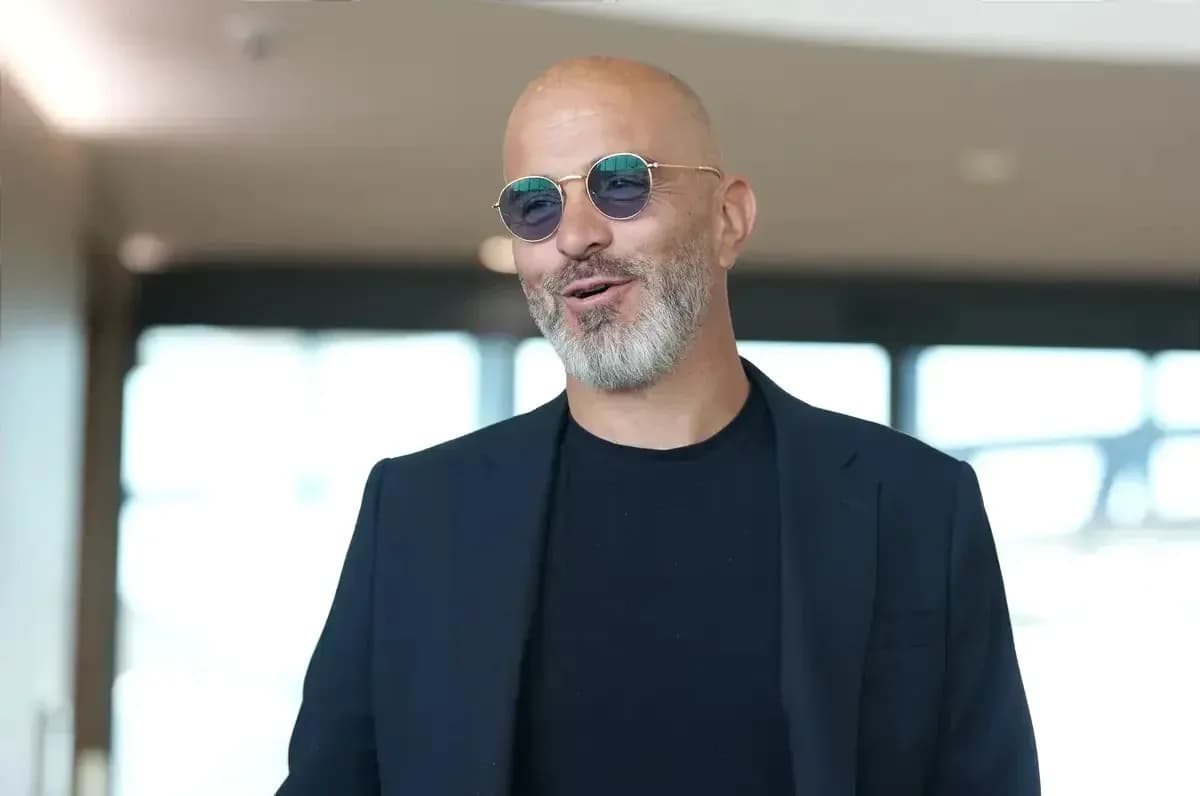
Enzo Maresca sat down at the Etihad Stadium and called it what it felt like to him: home.
His first public words as Manchester City head coach were not about tactics or transfers, but about belonging and the weight of what comes next. He knows exactly whose chair he is sliding into.
“I feel back home. I feel very good. The feeling since day one has been brilliant. So I’m happy,” the 46-year-old said, opening his first press conference in charge.
This is no ordinary succession. This is the man asked to follow Pep Guardiola, the architect of a decade-defining dynasty and the driving force behind City’s treble-winning campaign in 2022-23 – a season Maresca experienced from the inside as a key member of Guardiola’s staff after previously coaching the club’s Elite Development Squad.
The baton has finally passed, after a compensation wrangle with Chelsea was resolved. Now Maresca stands alone at the front of the room, the assistant turned heir.
“A privilege” to follow the best
He did not try to downplay the scale of the job. He went straight at it.
“First of all, I’d like to say it’s a privilege – the reason why, the club decided to go for me, that means for me it’s a privilege,” he said, before underlining just how high he believes the bar has been set.
“I consider Pep the best coach in the world in the last 20, 25 years. It’s a challenge, it’s nice, a privilege.”
No caveats. No soft landing. Guardiola is, in his eyes, the benchmark of a generation, and Maresca is stepping directly into his shadow.
He also showed he understands the history of what usually comes next. Long-serving giants leave, and even the biggest clubs wobble.
“Also, the history of managers with many years in the same club, after always you struggle a little – Sir Alex (Ferguson), Arsene (Wenger),” he noted, name-checking the two longest reigns of the Premier League era and the turbulence that followed them.
That is the warning. The challenge, as he framed it, is to defy that pattern.
“But also it’s a challenge to try and do the right things immediately for this organisation, the fans, everyone.”
The word “immediately” hung there. This is not a project sold as a slow rebuild. City expect continuity of excellence, not a grace period.
Stability as City’s secret weapon
Maresca did not present himself as a lone saviour. He pointed instead to the structure around him, to the organisation that has barely blinked as it dominated English football.
“This club, this organisation, has had three managers in 17 years. This is not normal. It doesn’t happen often,” he said.
He is the third in that line after Roberto Mancini, Manuel Pellegrini and Guardiola. Three men across nearly two decades at a club operating under relentless pressure and scrutiny.
For Maresca, that is not a burden. It is his biggest source of confidence.
“This probably is one of the things that I’m confident we can do a great job, continue to do the job that has been done in the last 14 or 15 years, since Roberto Mancini, Manuel (Pellegrini) and for 10 years with Pep.”
The message is clear: the machine is built, the culture is embedded, and he believes he is stepping into a system designed to protect the manager rather than devour him.
A familiar face, a different voice
Maresca’s path back to Manchester has not been straightforward. Since leaving his role with City’s development squad and Guardiola’s staff, he has taken on the heat of frontline management at Leicester City and Chelsea, experiences that hardened him and sharpened his ideas.
Now he returns to a club that helped shape him as a coach, with a deeper understanding of what it means to sit in the top seat.
Inside the training ground, he is not a stranger. Players, staff and executives know the Italian who once worked on the pitches out of the spotlight. That emotional connection matters to him, and he made it plain that it will inform everything he does – from the way he runs a session to the way he speaks to supporters.
He inherits a squad eased back into work after the FIFA World Cup in North America, with only a limited group of senior stars available alongside loan returnees and academy hopefuls. The early days will be quieter, more intimate, a chance to imprint his voice before the full cast returns.
City’s hierarchy, led by director of football Hugo Viana and the rest of the football leadership, chose Maresca precisely because he blends that familiarity with conviction. He understands the club’s language and believes, unapologetically, that he can add his own accent to it.
The Guardiola era has closed. The structure remains. The question now is simple and ruthless: can the man who feels “back home” keep this empire moving forward?
Related News
UFC 332 Preview: Natalia Silva vs. Wang Cong Fight Card, Odds, Start Time, and Details
Andy Roddick Responds to Andre Agassi’s Comments on Alexander Zverev at the Laver Cup
Knicks Prepare for Flexible Roles in Title Defense
Rui Hachimura Swaps Lakers Fans to Clippers in Surprising Jersey Exchange

Who Will Be the NBA's Next First-Time All-Stars? Top Picks and Long Shots for 2027
How Strong Is Your Team at Home? Check Out the 2026 Brasileirão Home Standings