
Michael Carrick Named Permanent Manchester United Manager
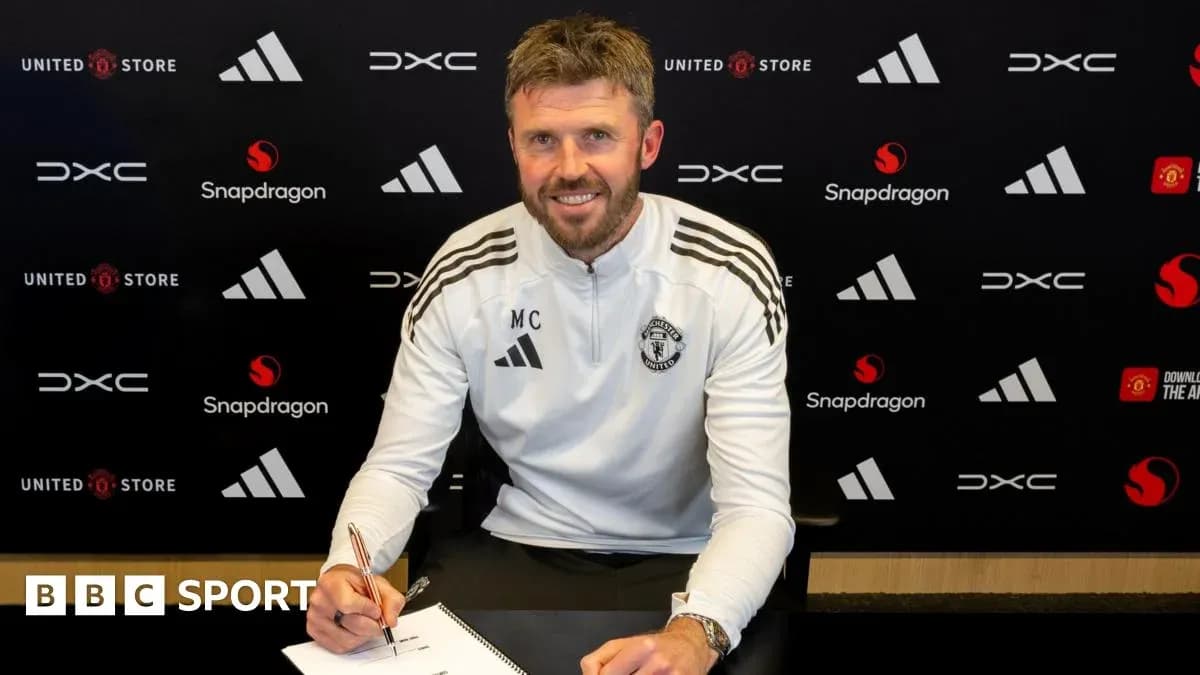
Manchester United have removed the word “interim” from Michael Carrick’s title and handed him the job for real. A two-year contract, Champions League football secured, and a fanbase finally given a clear direction after months of uncertainty.
At 44, Carrick steps fully into the spotlight he has been edging towards since January, when Ruben Amorim was sacked and the former midfielder was asked to steady a listing season. He has done far more than that.
From stop-gap to standard-bearer
Since his appointment on 13 January, no Premier League club has collected more points than United’s 36. Eleven wins in 16 matches, third place guaranteed with a game to spare, and a place on a six-man shortlist for the Premier League manager of the season award. Those are not the numbers of a caretaker keeping the seat warm.
Sunday’s thrilling win over Nottingham Forest did more than secure third. It crystallised the sense that United had found something they had been missing: calm authority on the touchline, clarity in the dressing room, and a manager who doesn’t flinch when the pressure climbs.
Carrick’s connection to the club runs deep. “From the moment that I arrived here 20 years ago, I felt the magic of Manchester United. Carrying the responsibility of leading our special football club fills me with immense pride,” he said after the announcement, the words of a man who knows exactly what this job means.
He has demanded standards and, crucially, seen his players respond. “Throughout the past five months, this group of players have shown they can reach the standards of resilience, togetherness and determination that we demand here. Now it's time to move forward together again, with ambition and a clear sense of purpose. Manchester United and our incredible supporters deserve to be challenging for the biggest honours again.”
That ambition now comes with expectation. The honeymoon is over before it has even properly begun.
The real work starts here
For all the glow around Carrick’s start, the context matters. United’s league season has stretched to 40 matches, stripped of European commitments and cut short in both domestic cups at the first hurdle. Third place in that landscape is impressive, but next season will be a different sport entirely.
A campaign that could run to 60 games will expose any weakness in the squad and any naivety in planning. Carrick knows it. United’s hierarchy know it. Recruitment simply has to be sharper.
Central midfield sits at the heart of the rebuild. Casemiro is leaving, Manuel Ugarte has not convinced, and Kobbie Mainoo, for all his promise, cannot be asked to carry the load every three days. United’s recent surge has been built on organisation and belief; to sustain it, they need legs, control and depth in the centre of the pitch.
There are other pressure points. If Patrick Dorgu continues to be used higher up the pitch, Luke Shaw cannot be left without serious competition at left-back. The same logic applies in goal. Senne Lammens needs a genuine challenger if standards are to rise, yet Radek Vitek, outstanding on loan at Bristol City, wants to keep playing every week – something that would not happen if he returned to sit on the bench at Old Trafford.
These are not cosmetic tweaks. They are decisions that will define whether Carrick’s first full season becomes a platform or a plateau.
Academy promise, but no shortcut
United’s academy, as ever, offers hope. Eighteen-year-old midfielder Jacob Devaney has caught the eye in the Scottish Premiership with St Mirren, showing the composure and range of passing that fits the club’s traditions. Shea Lacey, already a promising England Under-20 international, looks certain to be closer to the first team next season.
Those names excite supporters and fit neatly with the story of a club that prides itself on youth. But they cannot be asked to carry the burden alone. The academy can supplement; it cannot substitute serious investment.
Carrick will need help from the recruitment department if he is to turn a smart rescue job into a sustained challenge. The margins at the top are too fine to rely on sentiment and internal solutions.
Beyond the numbers
Some statistical analysis has tried to puncture the optimism, arguing that United’s underlying numbers since Amorim’s departure do not quite match their results. The suggestion is that this surge might be built on sand.
That reading ignores the transformation in mood and mentality. Carrick has brought a sense of calm to Carrington, a stability inside the dressing room that had been missing, and an unflappable edge on the touchline. When games have turned chaotic, he has not.
That matters. Over a long season, that emotional steadiness can be as valuable as any tactical tweak.
Even so, the bar is about to rise. With extra fixtures, heavier travel and the grind of Europe, finishing third again would represent a significant step forward, not a sideways shuffle. To have any chance of matching or improving on this year’s position, Carrick needs more than a new title and a warm round of applause.
He needs players. He needs smart decisions. And he needs a club that matches his clear sense of purpose with equally clear action in the months ahead.
Related News
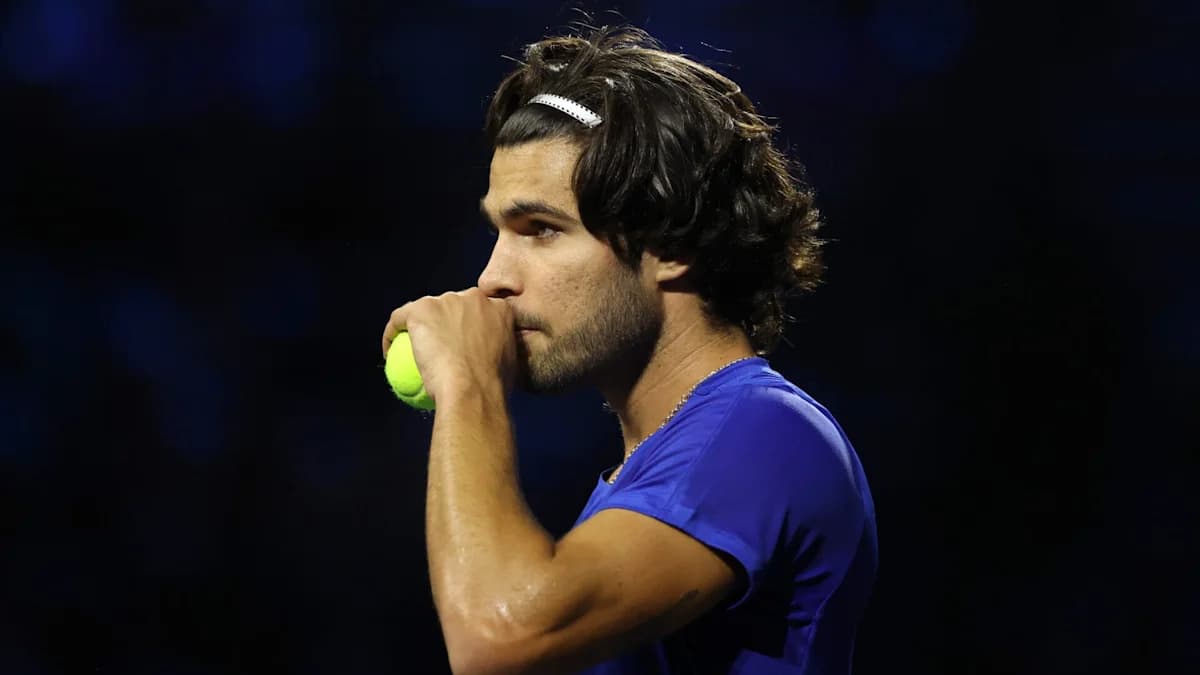
Carlos Alcaraz Calls for Change After Laver Cup Court Conditions
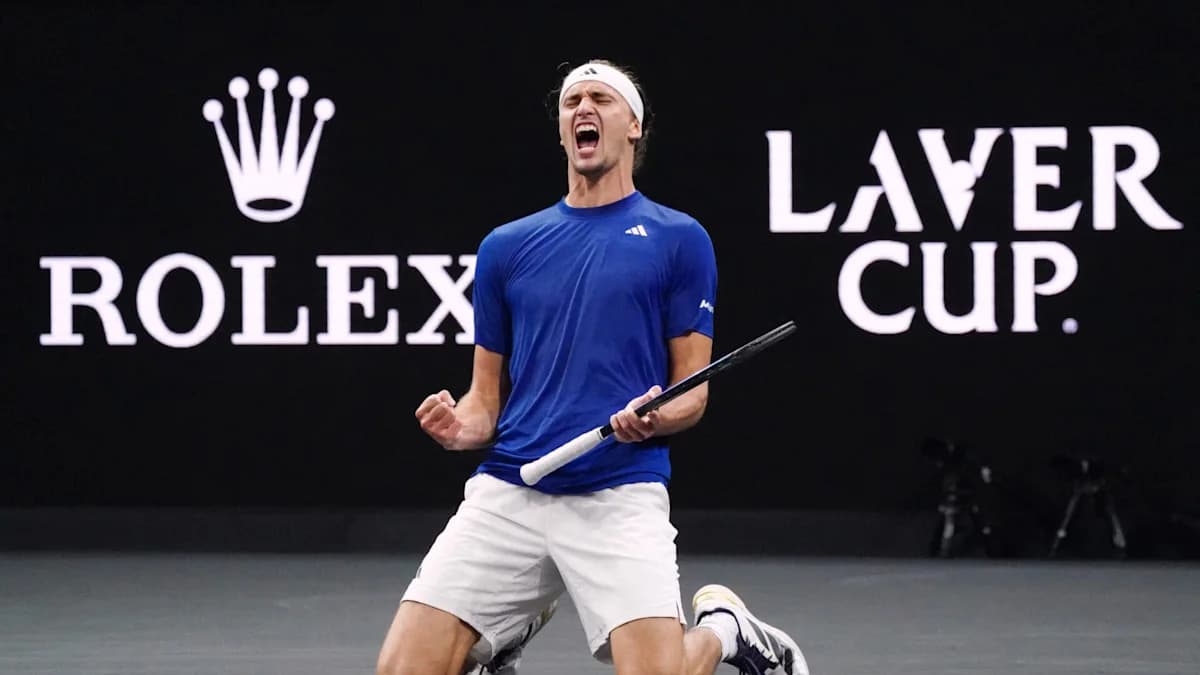
Alexander Zverev Secures Laver Cup Victory for Team Europe with Straight-Set Win Over Learner Tien
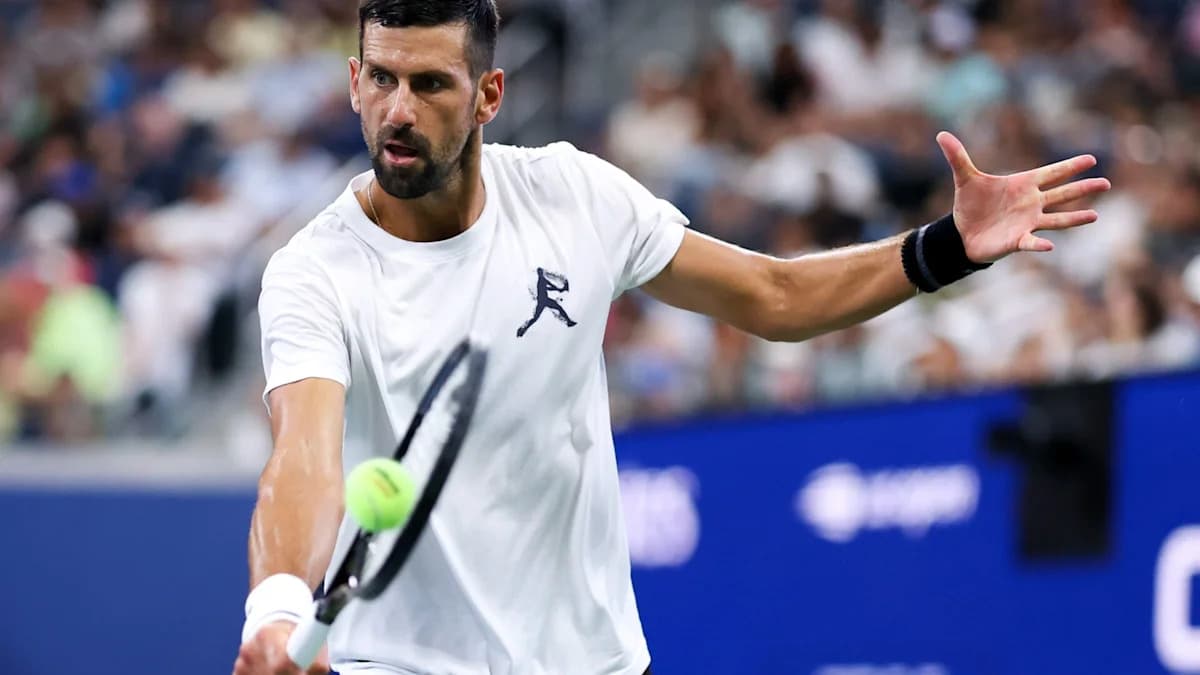
Novak Djokovic Shares Fitness Update Before China Open Return After US Open Upset
Shubman Gill's Captaincy Record Across All Formats: Tests, ODIs, T20Is, and IPL
Kuldeep Yadav Named Player of the Match Over Virat Kohli Despite Century in IND vs WI 1st ODI
India Advances to Asian Games 2026 Cricket Semi-Finals After Rain Washout Against Afghanistan