
Morocco Holds Brazil to a Draw with Tactical Precision
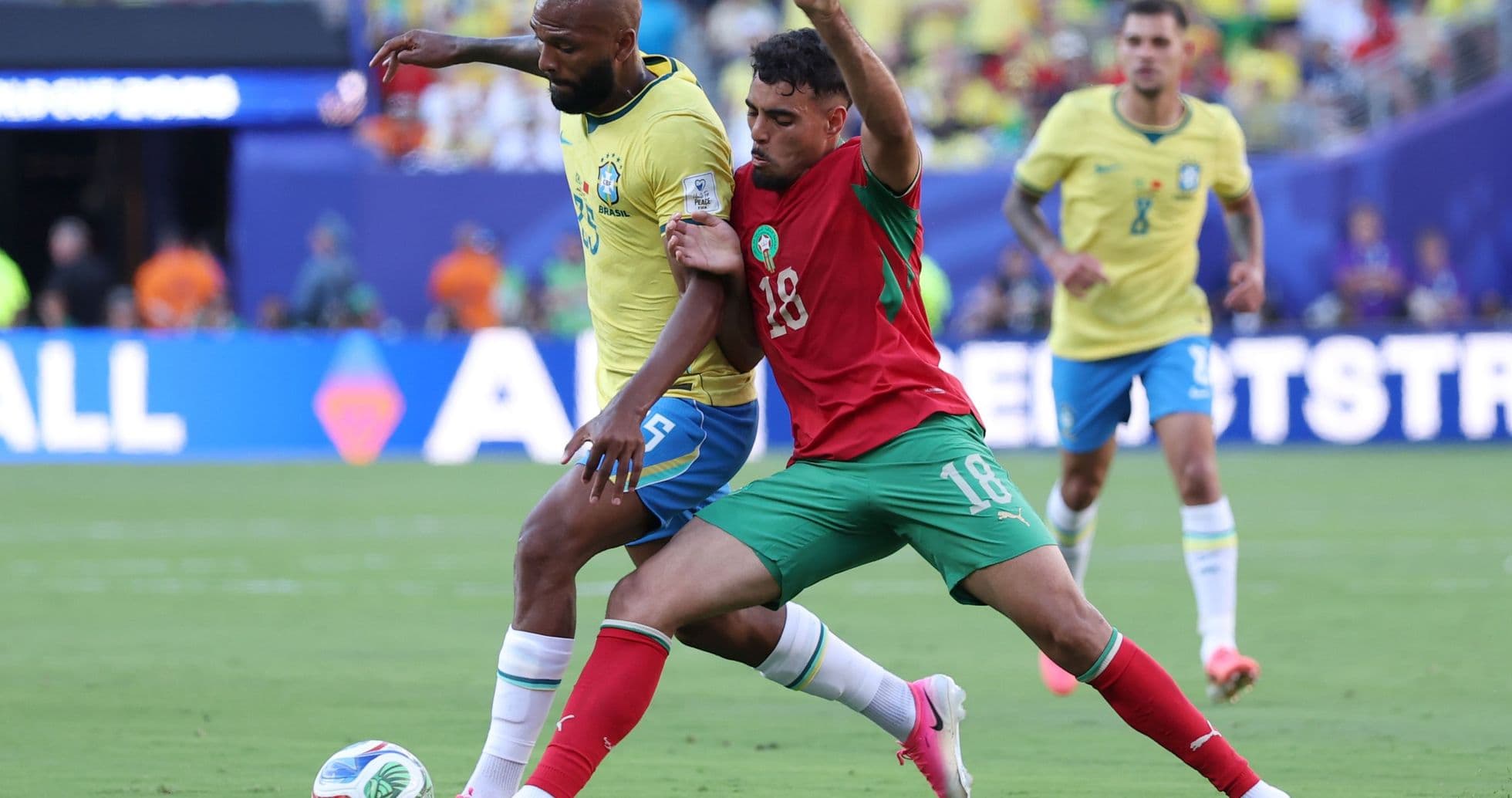
Morocco’s Sharp Start Caught Brazil Off Guard
From the kickoff, Morocco displayed a strategy that was anything but accidental. Their fast transitions and tight defensive block unsettled Brazil, who entered the match favored but quickly found themselves struggling to adapt.
The teams lined up in similar 4-2-3-1 formations. Brazil fielded Allison in goal, with Ibanez, Marquinhos, Gabriel, and Santos in defense. Casemiro and Guimaraes anchored midfield behind an attacking line of Paqueta, Raphinha, Vinicius, and Thiago as the forward. Morocco countered with Bono guarding the net, Mazraoui, Riad, Diop, and Hakimi at the back, midfielders Aynaoui, Bouaddi, and Ounahi, and forwards El Khannous, Saibari, and Diaz up front.
Morocco’s Defensive Shape and Quick Breaks
Operating mainly in a compact 4-4-2 mid-block, Morocco kept their lines tight, minimizing space between midfield and defense. They didn’t press high aggressively but instead protected central lanes and forced Brazil's play toward the wings.
This tactic paid off when Morocco intercepted a wide pass, leading to Diaz setting up Saibari for a goal, putting Morocco ahead. The move showcased how rapidly they could shift from defense to attack after regaining possession.
Brazil’s Difficulty Moving Forward
Brazil struggled most not with holding the ball but with advancing it. Their midfield often appeared disconnected from the attack, and the distances between their lines were too great. Despite forming a back three in build-up with Santos, Gabriel, and Marquinhos, plus Ibanez playing higher, Brazil failed to create smooth progressions through the middle.
Casemiro and Guimaraes couldn’t consistently link defense to offense, resulting in careless losses and stalled attacks. Defensively, Brazil was vulnerable, frequently exposed by Morocco’s fluid movement and possession, leaving gaps that the midfield pair could not cover effectively.
Casemiro’s decline in pace was noticeable, leading to his substitution by Fabinho early in the second half. Morocco’s coach Ancelotti had clearly identified Brazil’s weak spots in midfield and fullback positions and exploited them with early changes.
Vinicius’s Flair Wasolated Amid Brazil’s Attack Issues
Brazil lacked a player to connect midfield with the forward line effectively. This absence meant many of their attacking moves fell apart before becoming dangerous. Thiago, a classic target man, did not provide the link-up play needed.
Cunha, who fits the profile of a more mobile forward capable of connecting play, was surprisingly absent from the starting lineup. He might have helped Brazil maintain better attacking balance, rather than relying on Thiago alone, who seems better suited for late-game aerial threats.
Match Takeaways
Despite individual talent, Brazil’s flaws in build-up and defense showed clearly. Their inability to break down Morocco’s disciplined block and vulnerability to quick turnovers could be problematic against tougher opponents.
Morocco proved once again why they are tactically admired, using strong organization and transition speed to hold their own against one of the world’s best teams. This draw was no accident but a result of careful planning and execution.
Related News

FIFA Opens New Football Arenas in Palestine to Support Youth in the West Bank
FIFA World Cup 2026: Complete List of Commentators and Presenters
World Cup 2026 Best XI: Messi, Rodri, Mbappe Lead the Team of the Tournament

Spain's Tactical Mastery Secures Second World Cup Victory in 2026
Top 10 Players of the 2026 World Cup: Mbappe or Messi at the Summit?
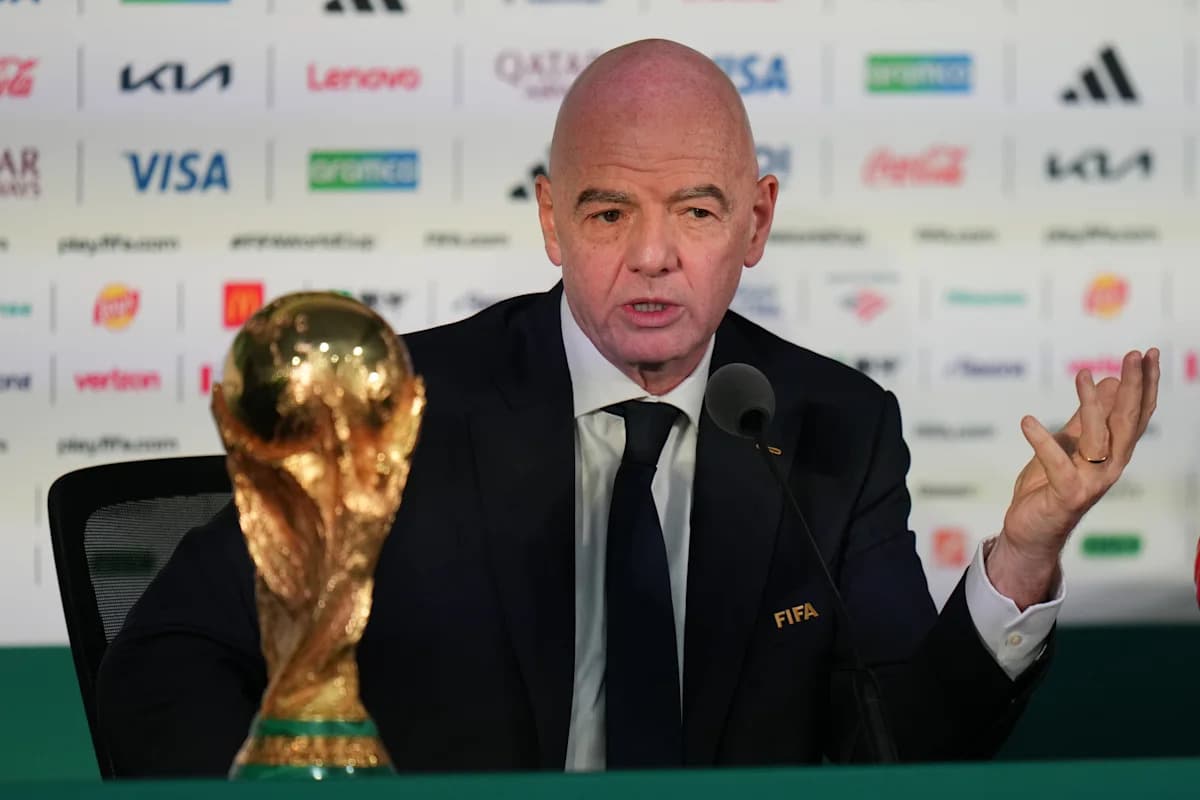
Gianni Infantino Responds to Critics Amid 2026 World Cup Celebrations