
The Netherlands: Dark Horses with a Rising Star
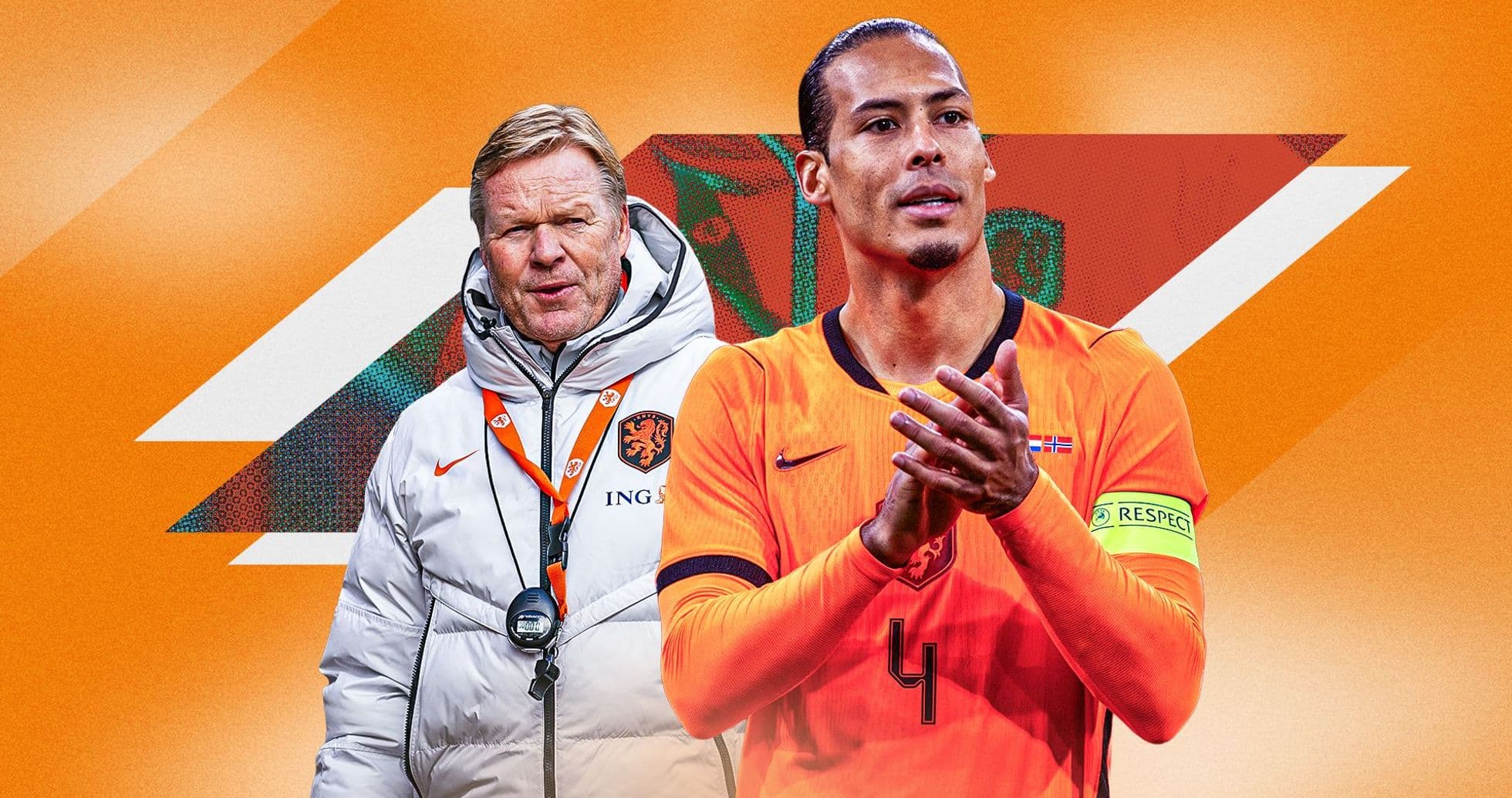
The Netherlands arrive as they so often do: talked about, feared in flashes, but parked just outside the velvet rope of the true favourites. They sit in that familiar bracket of “dark horses” – the team nobody wants to face in the knockouts, yet few dare to back all the way.
This time, the path is rugged from the start. Drawn alongside Japan, Sweden and Tunisia, the Oranje have landed in one of the tournament’s most intriguing groups. It is no soft landing, no gentle warm-up. Still, when you scan the names, you understand why the Dutch are expected to rise to the top.
Virgil van Dijk anchors the back line with his usual authority. In front of him, Frenkie de Jong gives the side its rhythm, the metronome and the release valve all in one. Higher up, Memphis Depay and Cody Gakpo offer cutting edge and invention, the kind of attacking blend that can tilt tight games and silence noisy stadiums.
Yet the squad sheet also tells a more complicated story. Xavi Simons, Jurrien Timber and Matthijs de Ligt are all out injured, three absences that slice into the team’s depth and versatility. Jeremie Frimpong, one of Europe’s most dynamic wide threats, did not make the final cut. Nor did gifted midfielder Kees Smit, whose omission raised more than a few eyebrows.
The doubts only grew when the football started. A shock defeat to Algeria in the first pre-tournament friendly rattled confidence, exposing a side still searching for fluency. The narrow win over Uzbekistan that followed steadied the result column, but not the mood. Questions lingered. Was this a team ready to go deep, or one still wrestling with its own identity?
Koeman’s Second Act
Ronald Koeman knows all about the weight of that identity. He first took the national job in 2018, stepping in after Dick Advocaat’s resignation and signing a four-year deal. Under his watch, the Netherlands surged back into relevance: a place in the 2019 UEFA Nations League final, a ticket punched for Euro 2020, a sense that the Oranje were once again a force.
Then Barcelona called. Koeman walked away from the national team, trading the KNVB tracksuit for the Camp Nou spotlight.
Two-and-a-half years later, he was back. In 2023 he returned to the Oranje bench, replacing Louis van Gaal and picking up a project that had evolved in his absence. Since then, he has steered the Netherlands to two more semi-finals – in the 2023 Nations League and at Euro 2024 – proof that this is a team that routinely reaches the business end of major competitions.
And yet, the debate around him refuses to die down. Koeman has been applauded for blooding a new wave of talent, freshening up a squad that needed new energy. At the same time, critics argue that his football often feels at odds with the Dutch tradition: less Cruyffian daring, more calculation; less sweeping attacking romance, more pragmatism. In a country that still measures its football by the ideals of Rinus Michels and Johan Cruyff, that is no small charge.
Memphis, the Reluctant Traditional No. 9
Amid all the tactical arguments, one fact remains: this is still Memphis Depay’s team.
No longer in Europe and likely heading into his final major tournament with the national side, the Corinthians forward remains the standout figure in orange. His numbers are already carved into Dutch history. With 55 international goals, he has moved beyond Robin van Persie, Dennis Bergkamp, Arjen Robben and Ruud van Nistelrooy to become the Netherlands’ all-time leading scorer.
In an era when the Dutch lack a classic, world-class centre-forward, Koeman leans on Depay again. He was the driving force in qualification, the player who repeatedly found a way through when games tightened and patterns broke down. His return – almost a goal every two matches – speaks to that reliability.
There is, however, one nagging line in the statistics: only six of those goals have come at major tournaments. For all his influence, for all the highlight reels, the grandest stages have not yet yielded the same avalanche of Memphis moments. If the Netherlands are to outgrow the dark-horse tag, that has to change.
The Rise of ‘Brobbeast’
Behind Depay, a new kind of striker is pushing his way into the spotlight.
Brian Brobbey, a product of Ajax’s famed academy, took the long road back to prominence. His move to RB Leipzig never caught fire; the “flop” label arrived quickly and unfairly, hanging over a young forward still learning his trade. That could have broken him. Instead, it hardened him.
England has been his reset button. At Sunderland, Brobbey has rediscovered his best form and then some. The 24-year-old struck seven goals in 31 Premier League appearances, numbers that only tell part of the story. He became central to a remarkable campaign that ended with the Black Cats punching their ticket to next season’s Europa League, a feat few had predicted.
The nickname ‘Brobbeast’ fits. He is powerful, aggressive, a handful for any centre-back. But to reduce him to brute force would be lazy. Brobbey runs the channels, leads the line on his own, and carries real pace. He has sharpened his movement, refined his finishing, and turned himself into a decisive presence in front of goal again.
Once, people reached for the easy comparison and called him “the new Romelu Lukaku”. That phase has passed. Brobbey has carved out his own identity, becoming a reference point for younger players watching from academies across Europe.
For Koeman and the Netherlands, that evolution could be crucial. In a squad where Memphis remains the established star and the goalscoring benchmark, Brobbey offers something different: raw power, hunger, and the sense of a striker on the rise at exactly the right moment.
The Dutch arrive with scars, questions and a manager still under the microscope. They also arrive with Van Dijk’s authority, De Jong’s elegance, Depay’s record, and Brobbey’s emerging menace. For a supposed dark horse, there is nothing subtle about the threat they pose.
Related News
UFC 332 Preview: Natalia Silva vs. Wang Cong Fight Card, Odds, Start Time, and Details
Andy Roddick Responds to Andre Agassi’s Comments on Alexander Zverev at the Laver Cup
Knicks Prepare for Flexible Roles in Title Defense
Rui Hachimura Swaps Lakers Fans to Clippers in Surprising Jersey Exchange

Who Will Be the NBA's Next First-Time All-Stars? Top Picks and Long Shots for 2027
How Strong Is Your Team at Home? Check Out the 2026 Brasileirão Home Standings