
Newcastle United's Transition: Eddie Howe to Matthias Jaissle
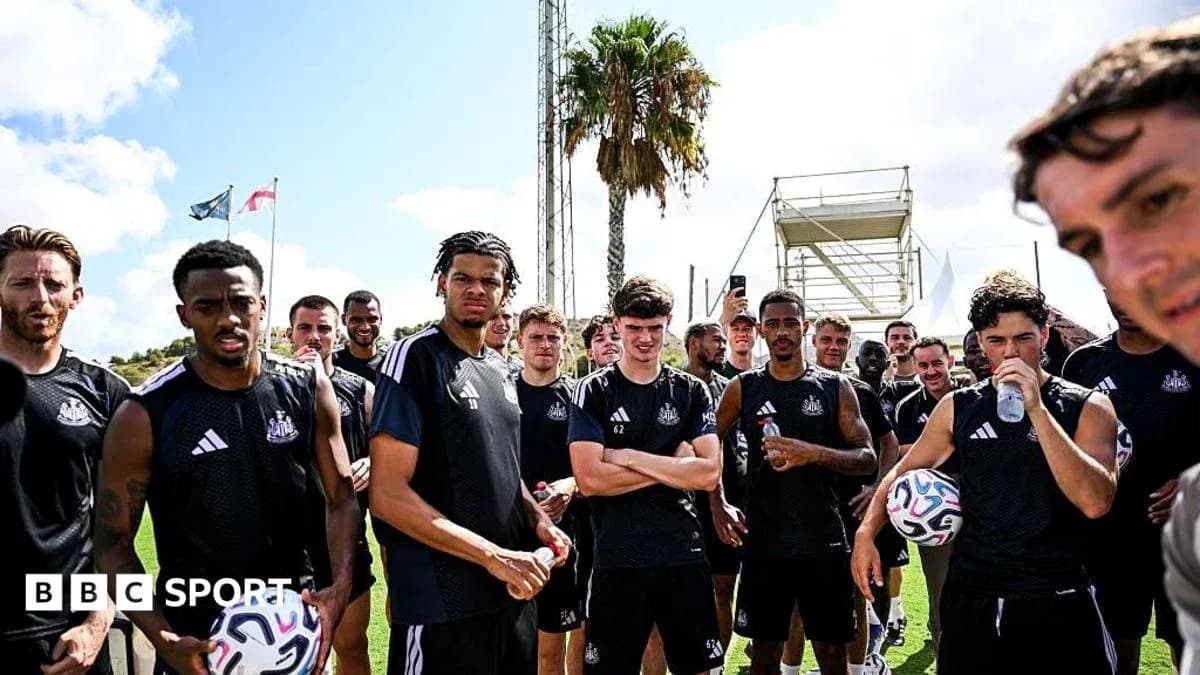
An era at Newcastle United ended in silence, 30,000 feet above the ground.
On the flight back from a 4-1 pre-season defeat at Bristol City, Eddie Howe sat hunched over a screen, rewatching a game that barely registered beyond Ashton Gate. A meaningless friendly to most. To him, still a puzzle to be solved. Even in his final hours as head coach, the man who finally brought silverware back to Tyneside was searching for answers.
By the next morning, the truth was out. Howe, drained and worn down, had stepped away. He had told the hierarchy weeks earlier, agreeing to stay on until a replacement was found. That successor is Matthias Jaissle. The handover was quiet; the shift he inherits is anything but.
A new Newcastle, by necessity
The change at Newcastle is not just in the dugout. It is structural, strategic, and, at times, painful.
Last summer’s transfer window hurt them. So did a bruising domestic campaign. The club’s response has been to pivot hard: younger players from the continent, a beefed-up data operation, and a clear trading model. Not by choice alone, but under pressure. A restrictive settlement following a breach of Uefa’s financial rules has left little room for sentiment.
The consequences are stark. Sandro Tonali and Anthony Gordon have gone, to Tottenham Hotspur and Barcelona respectively. Those sales were reluctantly accepted as the price of real reinvestment. The likely departure of captain Bruno Guimaraes to Arsenal cuts deeper. That was never in the plan.
Targets have slipped away too. Spain winger Victor Munoz chose Liverpool. Switzerland midfielder Johan Manzambi went to Aston Villa. For a club trying to build a new core, those are blows that sting.
Yet Newcastle have not stood still. Five signings have arrived: goalkeepers Lukas Hornicek and Ewen Jaouen, midfielders Aladji Bamba and Sean Steur, and forward Bazoumana Toure. Intriguing pieces, but not yet a full picture. Sporting director Ross Wilson is under no illusions.
“We have to build a model here that can compete, can win,” he said. “But also one that works for us and doesn't lead us to have to sell players we don't want to sell and lead to Uefa sanctions.”
The message is clear. The old way is gone. The new one has to be smarter.
Enter Jaissle: intensity as a blueprint
Into this shifting landscape walks Jaissle, 38 years old, fresh from Al-Ahli and thrown straight into a pre-season camp in Spain with the Premier League opener against Liverpool on 23 August racing towards him.
Performance director James Bunce described it as “speed dating” because every moment matters. It shows.
Training always spikes when a new manager arrives. Players run harder, talk louder, tackle sharper. But those who have watched Jaissle’s first week say this is different. The double sessions have been “off the charts” in intensity. Effort is non-negotiable. He wants players to train the way they play, and he wants them to play at full tilt.
There is a clear track record behind the demands. At RB Salzburg, where he won back-to-back titles and reached the Champions League last 16, his side led the Austrian league in high turnovers per game (9.8) and possession won in the final third (5.6). The numbers at Al-Ahli told a similar story: 8.2 high turnovers per game, 47.6 duels won per match, and two Asian Champions League titles as he adapted his style to a new group.
Front-footed, vertical football, underpinned by solid defensive foundations. That balance, achieved in Saudi Arabia, will be crucial in England.
No surprise, then, that he has already hammered home the importance of clean sheets. One session left players drained by the sheer volume of recovery runs demanded. On Thursday, he eased off, stopwatch swinging from his neck, after recognising the squad’s legs had turned “heavy”.
In front of cameras he appears measured, composed. On the training pitch he is something else entirely, a prowling, animated presence who will physically shift his own coaches into position to demonstrate the level he wants.
He has not come alone. Assistants Alexander Hauser, Engin Yanova and Florens Koch have followed, along with coach analysts Maximilian Fischer and Steffen Konrad and goalkeeping coach Alexander Bade. Yet his first address made something plain: those already at Newcastle must raise their standards too.
Racing the clock to Liverpool
Time is the enemy now. Liverpool, under Andoni Iraola, have had longer to absorb their own managerial change. At Newcastle, staff have been working into the early hours, cutting and recutting analysis, drilling details.
Lukas Hornicek is a case study in the urgency. The Czech Republic goalkeeper arrived less than a week ago from Braga in a £25.7m move. He has been thrown into an accelerated education on the Premier League’s set-piece chaos: the grappling, the blocks, the towering forwards crashing into him at corners.
Is he ready for that fight?
“For sure,” Hornicek replied.
Newcastle will need that kind of conviction. The squad is younger, the model harsher, the margin for error slimmer. The friendly at Valencia’s Mestalla on Saturday will close Jaissle’s whirlwind first week. It will not define his reign. It will, though, offer a first glimpse of what this new Newcastle might look like under a coach who demands every sprint, every duel, every press.
The Howe era ended with a man still searching for solutions on a laptop in the sky. Jaissle’s begins on the ground, stopwatch in hand, driving a lighter, leaner squad to run harder than ever.
The question now is simple: can this rebuilt, data-driven, high-intensity Newcastle turn all that effort into wins when Liverpool arrive?
Related News
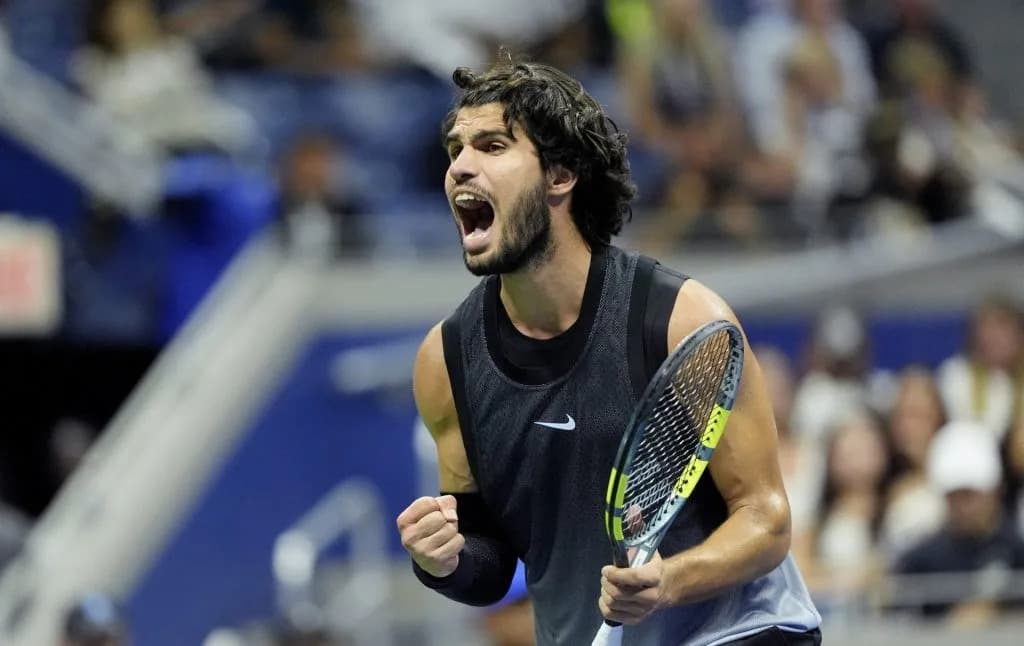
Carlos Alcaraz Urges an End to Matches Ending in the Early Hours
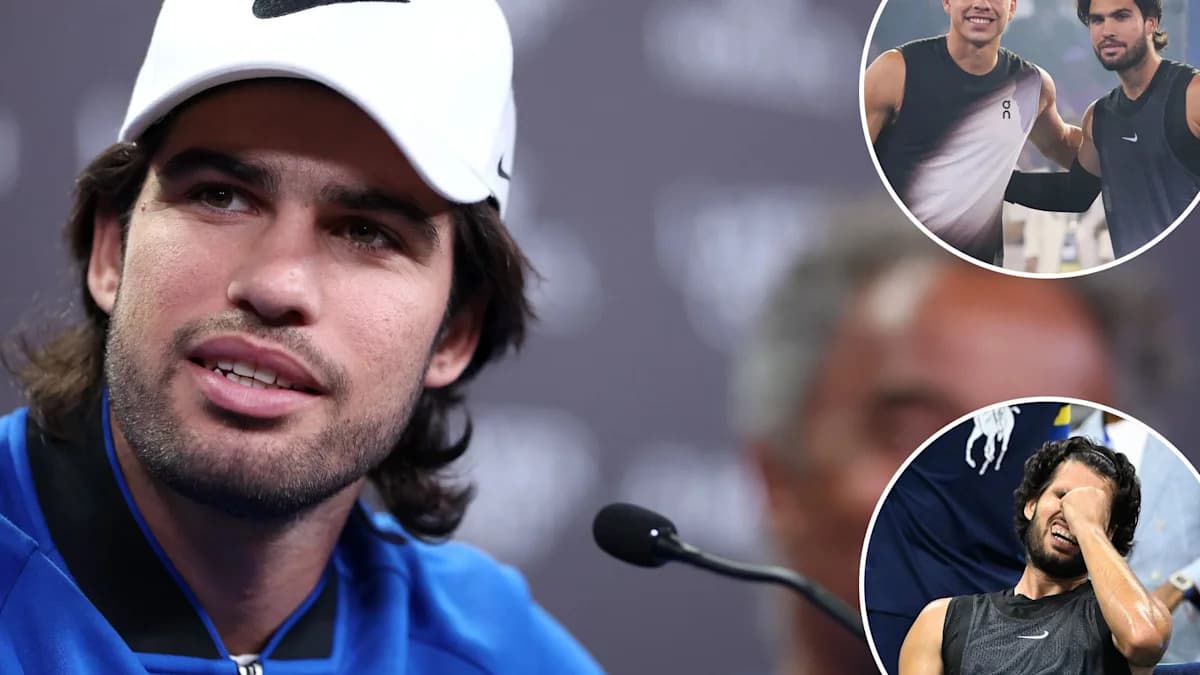
Carlos Alcaraz Criticizes Late US Open Finish After 3:30 a.m. Match
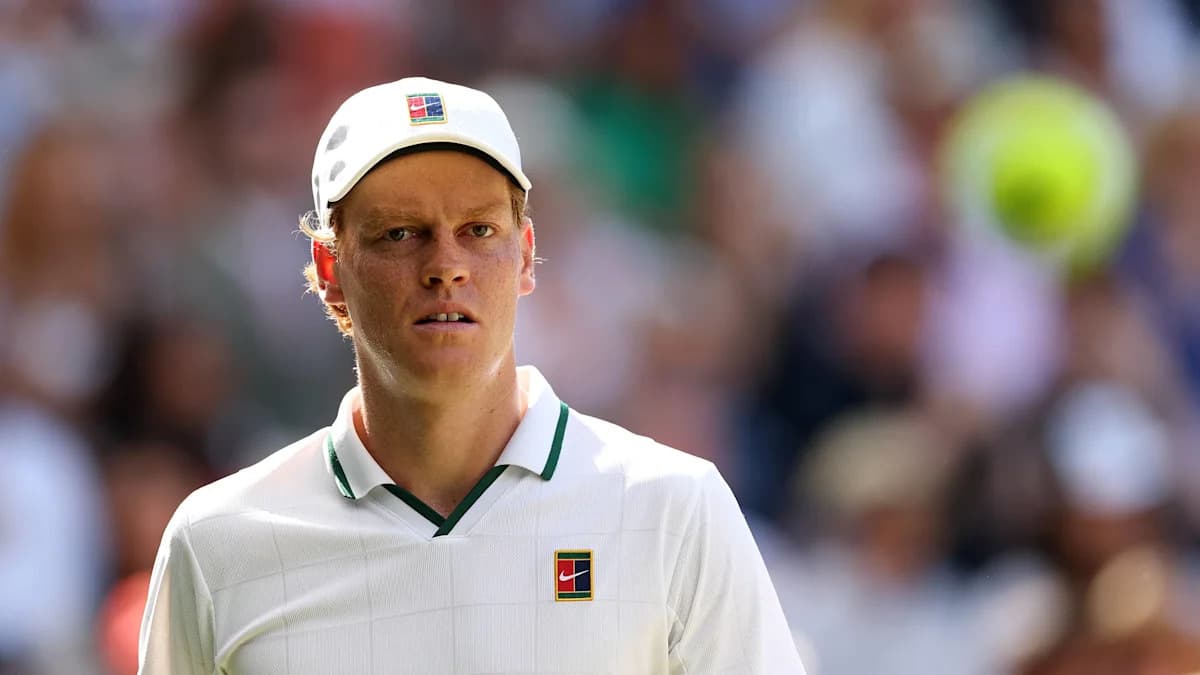
Jannik Sinner Set for ATP 500 Return in Beijing with Novak Djokovic Also Competing
Meet Iva Jovic: The American Tennis Prospect Making Waves
Flavio Cobolli Shares Insights on Practice Session with Jannik Sinner Ahead of Comeback
Till vs Romero: Fight Details, Undercard, and Viewing Info for This Weekend