
Nicolás Otamendi's Farewell: A Warrior's Legacy in Argentina
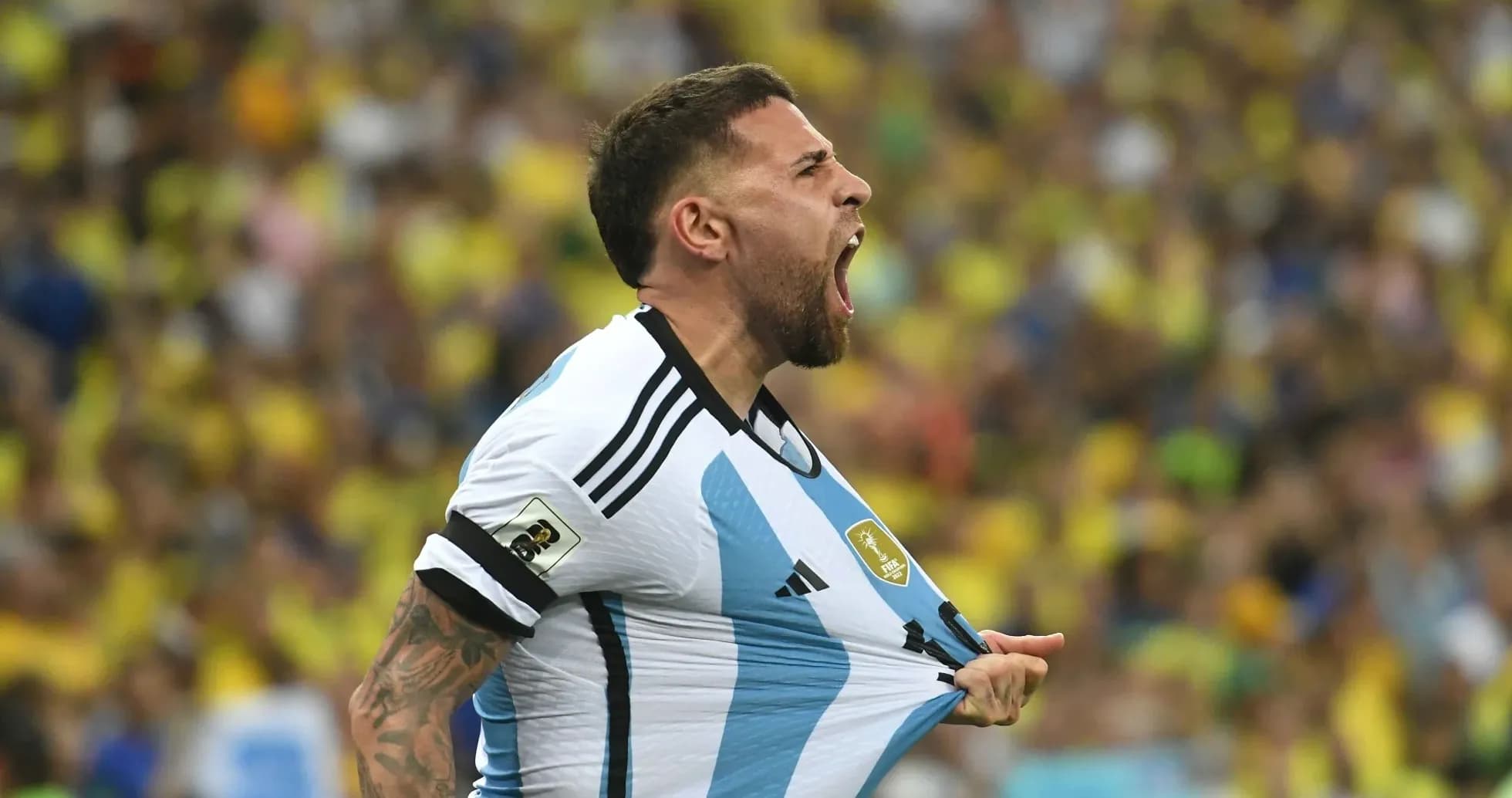
Nicolás Otamendi chose his own moment. Not with a sliding tackle or a towering header, but with a few stark lines on a phone screen.
“Today, I’m writing the most difficult words I’ve ever had to,” he posted on Instagram. With that, the 38-year-old centre-back confirmed what many around the Albiceleste had long sensed: his Argentina career will end with the 2026 World Cup.
For a player who built his name on collisions and confrontations, this was a quiet goodbye. The message, though, carried the weight of a lifetime in sky blue and white.
A childhood dream, a world title, a final heartbreak
Otamendi called wearing the Argentina shirt “a childhood dream’’ and “the greatest privilege” of his football life. It was never just a jersey for him. It was an obligation.
“I defended it with all my heart, with pride, and with a sense of responsibility, knowing what it means to millions of Argentines,” he wrote. That line sums up his entire international career more accurately than any statistic.
The timing of his announcement is no coincidence. Argentina’s defeat in the 2026 World Cup final still hangs heavy. Otamendi didn’t hide from it. He admitted his regret over the loss, but insisted he walks away “with the peace of mind that comes from giving it all.”
There was no attempt to rewrite the ending, no excuses. Just a defender doing what he always did: facing the result head-on.
He thanked the fans, his family, and then turned his gaze forward, urging the next generation of Albiceleste players to “never stop believing.” The message closed with a line that will resonate across Argentina’s footballing map:
“Thank you, Argentina. Thank you for letting me fulfill my dream of becoming a world champion and wearing the most beautiful jersey in the world.”
Dressing-room leader, teammate’s reference point
The reaction was instant. His Instagram post became a wall of gratitude.
Alexis Mac Allister called him “an exemplar of fight, resilience and love for the shirt.” Germán Pezzella described him as “a guide for us all.” Paulo Dybala, Marcos Senesi, Mariano Andujar and Gianluca Prestianni added their own tributes, a chorus from three different generations of Argentine football.
One message cut through in particular. Rodrigo de Paul, one of the emotional engines of this era, dedicated an Instagram story to the vice-captain.
“From the day I got to the national team, you opened the door to your room, and since then we’ve held the same rituals,” he wrote. It’s a small detail, but it reveals a lot. Otamendi wasn’t just a voice in team talks; he was a constant presence in the daily routine, in the little superstitions that bind a squad.
“My thanks to you, my brother, are eternal. You were an example to follow and one of the leaders of the beautiful story this team built. Thanks for everything, I’ll miss you.”
That is how teammates talk about a pillar, not a placeholder.
From iron starter to respected backup
Emotion aside, the decision does not shock anyone inside the national setup. At 38, Otamendi was always among those most likely to step aside as Lionel Scaloni refreshes the squad.
In Qatar 2022, he was untouchable. One of Scaloni’s most trusted starters, he anchored the defence alongside Cristian “Cuti” Romero, bringing edge and experience to a team that finally broke its World Cup curse.
Four years later, his role shifted. Lisandro Martínez moved into the starting XI next to Romero, and Otamendi slid gracefully into a support position. No public complaints. No drama. Just a veteran accepting that his influence would come more from the bench and the dressing room than the centre circle.
For a player whose identity was built on playing every minute, that acceptance was its own form of leadership.
A defender carved from old-school granite
Otamendi’s story with Argentina began back in 2008, when he emerged at Vélez Sarsfield as a rugged, no-nonsense defender. From there, his career took him through Europe with spells at clubs including Manchester City and Benfica, but his essence never changed.
He was abrasive. He was uncompromising. He relished duels that others tried to avoid.
At 1.83m, he was hardly a giant in international terms, yet he dominated the air like someone half a head taller. That contrast became part of his mythology. The most striking image came in Qatar: Otamendi rising above 1.98m Harry Souttar in the round of 16 against Australia, winning a header he had no right to win on paper.
That frame – the shorter man climbing over the giant – captured what he brought to Argentina: defiance, stubbornness, and an unshakeable belief that effort could tilt any contest.
Joining the greats
Otamendi leaves behind numbers, trophies, and a World Cup winner’s medal, but his real legacy is less tangible.
He offered determination when the team was fragile, fierceness when opponents tried to bully Argentina, and a competitive edge that never dulled, even as his legs inevitably slowed. Younger defenders watched how he trained, how he argued, how he defended the shirt. They will carry that with them.
In the long line of Albiceleste centre-backs, he now stands alongside names like Daniel Passarella, Oscar Ruggeri and Roberto Ayala. Different eras, different styles, same uncompromising standard.
The next generation of Argentine defenders will step into the spotlight soon enough. They will be quicker, maybe more refined on the ball. But will they carry that same snarl, that same refusal to yield?
That is the bar Nicolás Otamendi leaves behind.
Related News
UFC 332 Preview: Natalia Silva vs. Wang Cong Fight Card, Odds, Start Time, and Details
Andy Roddick Responds to Andre Agassi’s Comments on Alexander Zverev at the Laver Cup

Knicks Prepare for Flexible Roles in Title Defense

Rui Hachimura Swaps Lakers Fans to Clippers in Surprising Jersey Exchange

Who Will Be the NBA's Next First-Time All-Stars? Top Picks and Long Shots for 2027
How Strong Is Your Team at Home? Check Out the 2026 Brasileirão Home Standings