
One Knoxville Edges Chattanooga in Penalty Shootout
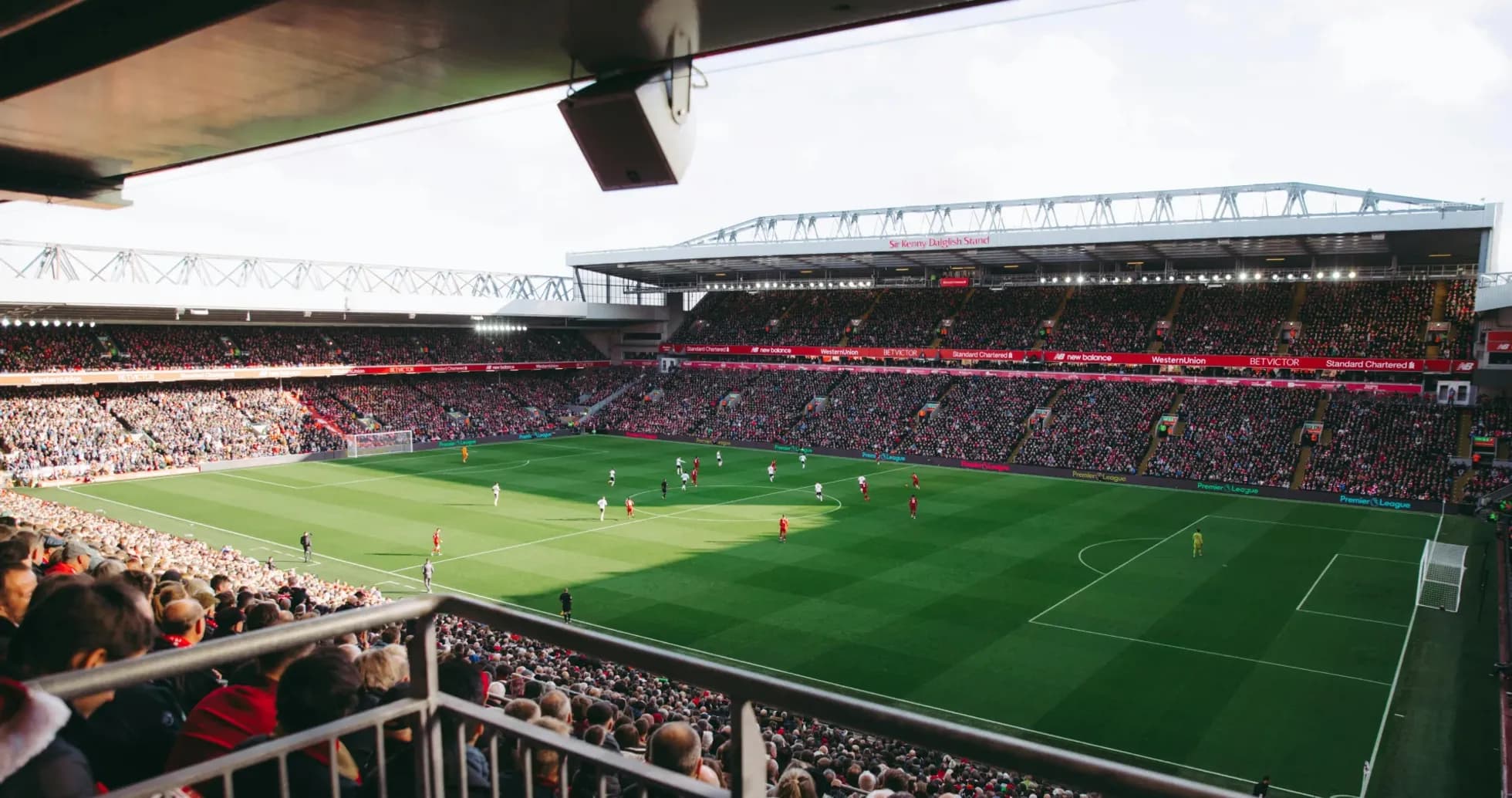
Under the lights at Regal Stadium, One Knoxville and Chattanooga Red Wolves played out a 1-1 draw over 120 minutes, before the hosts held their nerve from the spot to edge a 5-4 penalty shootout in this USL League One Cup Group Stage contest. Heading into this game, the table framed it as a meeting of contrasting trajectories: One Knoxville sat 3rd in Group 3 on 4 points with a positive goal difference of 1 (10 goals for and 9 against overall), while Chattanooga arrived in 6th on 2 points and a goal difference of -3 (8 scored, 11 conceded overall).
I. The Big Picture – Identities Colliding
The season’s statistical DNA painted One Knoxville as a side that thrives on front-foot football. Overall they had scored 4 goals in 3 Cup fixtures in this statistical snapshot, with an average of 1.3 goals per game in total, split between 1.0 at home and 2.0 on their travels. Defensively, they were relatively balanced, conceding 3 in total at exactly 1.0 per game both at home and away. There was, however, a vulnerability in control: zero clean sheets and at least one match where they failed to score underline a team that lives on thin margins.
Chattanooga, by contrast, came into the tie with a profile of a side stuck in a downward spiral. Their form line read LLL, with 0 wins, 0 draws and 3 losses in this data set. They had managed only 2 goals in total, averaging 0.7 per game overall (0.5 at home and 1.0 away), while conceding 5 at an average of 1.7 per game. The numbers told of a team that can be picked apart, particularly away, where they had allowed 2.0 goals per match.
On the night, the 1-1 score over regulation and extra time fit the pattern: Knoxville’s attack found a way through but could not fully shake off Chattanooga, while the Red Wolves again conceded but showed enough resilience to drag the tie all the way to penalties.
II. Tactical Voids and Discipline – Edges in the Margins
There were no officially listed absences, so both Ian Fuller and Scott MacKenzie could lean into their core squads. That stability showed in the lineups: One Knoxville’s XI built around N. Lemen, J. Brown, S. McLeod and Bull at the back, with the central axis of D. Williams and J. J. Murphy and the attacking band of H. Cordova, E. Conway, M. Goling, K. Linhares and B. Diene offering a mix of running and craft.
For Chattanooga, the spine of R. Jerez, E. Kinzner, Y. Lelin and M. Acosta was flanked by the creative and transitional threats of J. Ramos, O. Hernandez, P. Hernandez and the focal point of M. Bentley. The bench options — from J. Burke and D. Krioutchenkov for Knoxville to G. Mercer and W. Wessels for Chattanooga — gave both coaches the ability to tweak the game’s rhythm, especially into extra time.
Discipline was always going to be a subplot. Knoxville’s yellow-card distribution this season showed a clear late-game spike: 50.00% of their yellows arriving between 61-75 minutes and another 50.00% between 91-105 minutes. That is a team whose aggression rises as fatigue sets in. Chattanooga’s pattern was different but equally telling: 12.50% of yellows in the opening 0-15 minutes, then a steady escalation — 25.00% from 31-45, a peak of 37.50% between 46-60, and another 25.00% in the closing 76-90 window. For this matchup, that meant a likely storm of fouls and cautions bracketing half-time and just after the restart, with Knoxville’s most combustible spell arriving as the game tipped into extra time.
III. Key Matchups – Hunter vs Shield, Engine Room vs Enforcer
With no explicit top scorers listed, the “Hunter vs Shield” battle became more about units than individuals. One Knoxville’s attacking band of Linhares and Diene drifting off the flanks, supported by Conway and Goling between the lines, was set against a Chattanooga defence that, heading into this game, had conceded 5 goals overall at 1.7 per match. On their travels they had allowed 2.0 per game, a soft underbelly that Knoxville’s 2.0 away goals average hinted they were capable of exploiting conceptually, even if this tie was at home.
The reverse duel was equally intriguing. Chattanooga’s front line of Ramos, O. Hernandez, P. Hernandez and Bentley faced a Knoxville back line that, while conceding 1.0 per game overall, had yet to register a clean sheet. The Red Wolves’ overall scoring rate of 0.7 per game suggested they would need to be ruthlessly efficient with limited chances — which is precisely what a 1-1 draw over 120 minutes implies.
In the “Engine Room”, the contest revolved around how J. J. Murphy and D. Williams could control M. Acosta and A. Kelly-Rosales. Knoxville’s midfield pairing needed to protect a defence that had already allowed 3 goals overall, while still feeding the creative outlets ahead. For Chattanooga, Acosta’s role as a connector and Kelly-Rosales’ work rate were crucial in preventing Knoxville from pinning them deep. The ability of these central players to manage transitions, absorb pressure and win second balls shaped the tempo, especially as legs tired and spaces opened.
IV. Statistical Prognosis and Verdict
From a statistical lens, the prognosis before a ball was kicked leaned slightly towards One Knoxville. They had more points, a better goal difference (1 versus Chattanooga’s -3), a stronger scoring profile (1.3 goals per game in total against Chattanooga’s 0.7) and a more stable defensive record (1.0 conceded per game compared to 1.7). Chattanooga’s lack of clean sheets and three straight losses in this data set hinted at fragility under sustained pressure.
The disciplinary curves added another layer: Knoxville’s tendency to pick up yellows late, particularly between 91-105 minutes, risked giving Chattanooga set-piece platforms just as concentration wanes. Conversely, Chattanooga’s high-card window between 46-60 minutes suggested that Knoxville could tilt the match in their favour immediately after half-time by driving at a defence prone to rash challenges.
In the end, the numbers and the narrative converged. The match was tight enough to reach 1-1 after 120 minutes, reflecting Chattanooga’s capacity to hang in despite their defensive record. But the underlying edge in Knoxville’s attacking output and overall solidity showed in the most pressure-laden moments: the penalty shootout. With both teams having no penalties scored in open play this season’s data, the shootout was an unknown frontier — and One Knoxville were the side that adapted quicker, converting 5 to Chattanooga’s 4.
Following this result, the statistical story of Group 3 sharpened: One Knoxville confirmed themselves as a side capable of surviving tension and leaning on their attacking depth, while Chattanooga’s profile of narrow margins, disciplinary spikes and defensive leakage once again proved just too much to overcome when it mattered most.
Related News
Louisville City Edges Detroit City in Penalty Shootout
Lexington vs Indy Eleven: USL League One Cup Showdown
Detroit City vs Louisville City: USL League One Cup Showdown
Lexington vs Indy Eleven: USL League One Cup Group Stage Preview
Detroit City vs Louisville City Match Preview

Lexington vs Indy Eleven: USL League One Cup Clash Insights