
Pep Guardiola in Talks to Become Italy's Next Head Coach
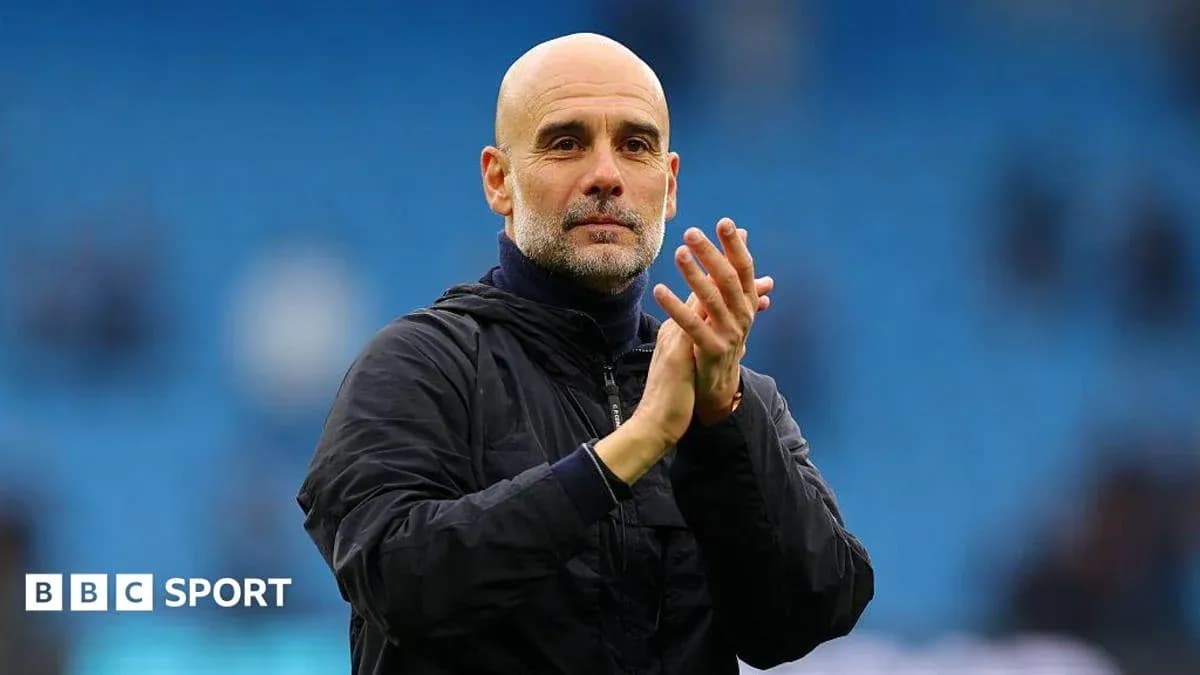
Pep Guardiola has held talks over becoming Italy’s next head coach, Italian Football Federation president Giovanni Malagò has confirmed, raising the prospect of one of the game’s great club managers stepping straight back into the dugout on the international stage.
The Spaniard walked away from Manchester City this summer after a decade of near-total domestic dominance in England. Six Premier League titles, three FA Cups, five League Cups and the long‑awaited Champions League crown turned City into a machine and Guardiola into the defining coach of his era.
Now, a very different challenge is on the table.
Italy turn to a giant
Italy have been without a head coach since April, when Gennaro Gattuso resigned in the aftermath of another brutal failure in World Cup qualifying. A four-time world champion, shut out of the last three tournaments, now finds itself searching for a figure big enough to drag the Azzurri out of their spiral.
On Monday, Sky Italia reported that the FIGC had made contact with Guardiola, 55. Malagò has now gone a step further, publicly acknowledging that conversations have taken place and that the federation is prepared to bend its own rules to tempt him.
Speaking to Italian digital outlet Cronache di spogliatoio, Malagò admitted that “[financial] exceptions have been made, exceptions that for example may concern the name that is so overbearing in these hours: Pep Guardiola”. He added that these exceptions are “for obvious reasons” but stressed “it is not certain that this thing will go through.”
The message is clear: Italy are serious about Guardiola, and they know it would take something extraordinary to land him.
A rare foreign bet
If the FIGC manage to pull it off, it would mark a historic break with tradition. Across more than a century, Italy’s men’s national team has almost exclusively been led by Italian coaches. Only two foreign names interrupt that line: Hungarian Lajos Czeizler, part of a technical committee in the 1950s, and legendary Argentine tactician Helenio Herrera, who shared the role with Ferruccio Valcareggi in the following decade.
Guardiola would become the third outsider to sit on one of the most scrutinised benches in world football. He has never coached in Italy, but he does not arrive as a stranger. He speaks fluent Italian and spent two seasons in Serie A between 2001 and 2003, with two spells at Brescia and one at Roma. Those years gave him a feel for the country’s football culture, its tactical obsessions, and its unforgiving spotlight.
Not the only name on the list
The federation is not short of high-profile alternatives. Another former Manchester City manager, Roberto Mancini, is firmly in the frame. Mancini, of course, guided Italy to Euro 2020 glory just five years ago, rebuilding the side into a slick, possession-based unit before that project unravelled in World Cup qualifying.
Andrea Pirlo, currently in charge of Dubai United, is also under consideration. The former midfield maestro represents a different type of gamble: a young coach with a glittering playing career and a clear footballing identity, but still forging his managerial reputation.
Asked whether Guardiola, Mancini and Pirlo are the only options, Malagò was blunt: “Absolutely not. We think about a certain profile and certainly these names fall into that category.” The shortlist, then, is wider than the headlines suggest, but the profile is obvious – a coach with stature, tactical clarity and the authority to reset the national side.
A quick return for a tired man?
If Guardiola accepts, it would be a rapid return to work after an emotionally and physically draining decade at City. When he stepped down in May, he spoke candidly about his exhaustion. “I am so tired. Seriously, I am so tired,” he said, reflecting on a 10-year spell in Manchester that followed trophy-laden eras at Barcelona and Bayern Munich.
He described his “luggage of memories” from City as heavier than anything he carried from his previous clubs, a nod to the relentless nature of English football and the expectations that came with City’s rise.
That is what makes this courtship so striking. Barely weeks after leaving one of the most demanding jobs in the sport, Guardiola is being asked to take on another: resurrecting a fallen giant that has forgotten how to qualify for the biggest tournament of all.
The FIGC has made it clear it is willing to stretch financially and structurally to accommodate him. Italy, a nation that once exported tactical innovation to the rest of the world, is now chasing the man who has redefined modern attacking football.
The question is no longer whether Italy want Pep Guardiola. It is whether Pep Guardiola wants to carry the weight of Italy.
Related News
UFC 332 Preview: Natalia Silva vs. Wang Cong Fight Card, Odds, Start Time, and Details
Andy Roddick Responds to Andre Agassi’s Comments on Alexander Zverev at the Laver Cup

Knicks Prepare for Flexible Roles in Title Defense
Rui Hachimura Swaps Lakers Fans to Clippers in Surprising Jersey Exchange

Who Will Be the NBA's Next First-Time All-Stars? Top Picks and Long Shots for 2027
How Strong Is Your Team at Home? Check Out the 2026 Brasileirão Home Standings