
Raphinha's Challenge at Barcelona: Trust and Competition
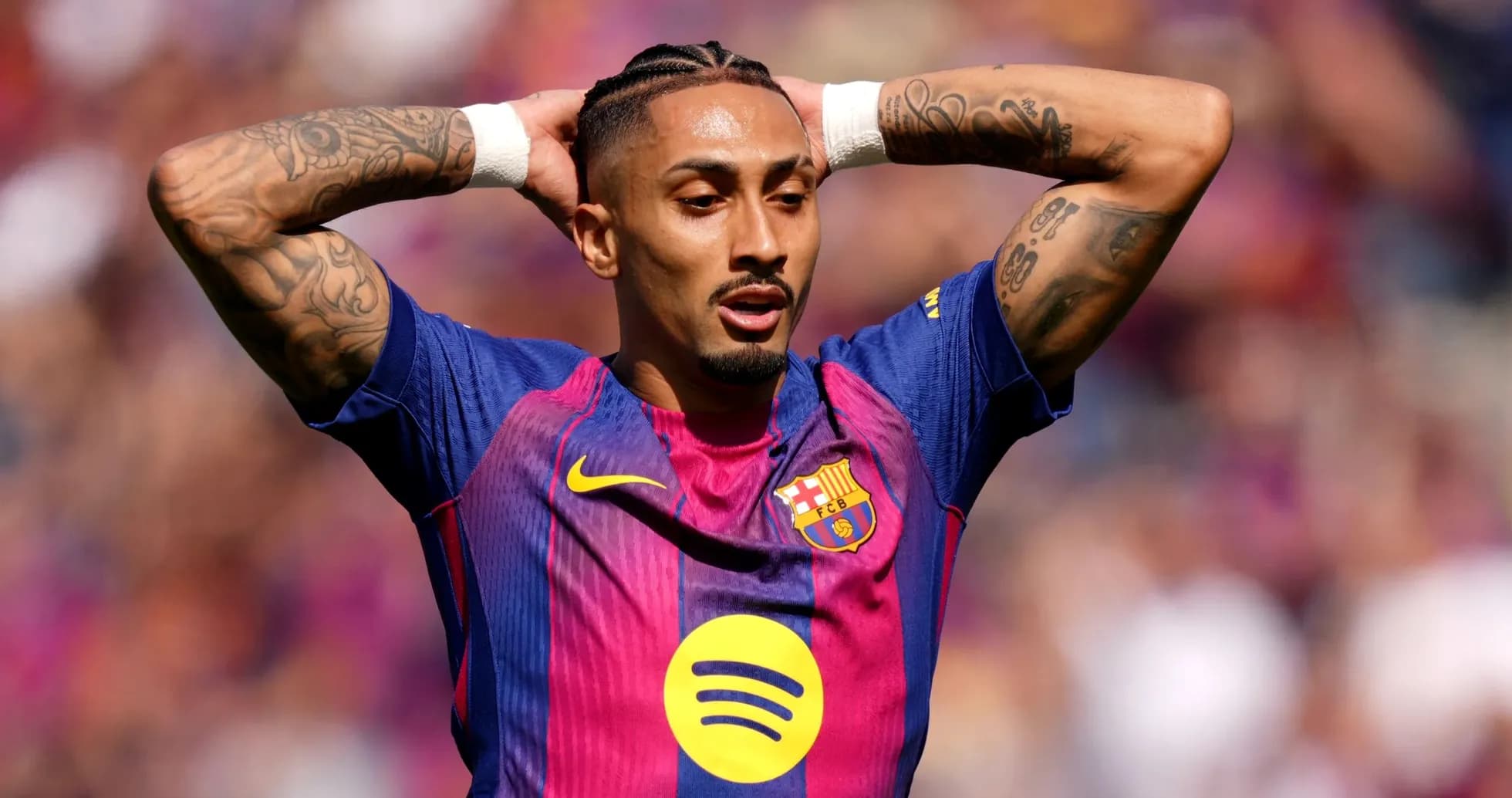
Raphinha still has one powerful ally at Barcelona: Hansi Flick. The new coach has never lost faith in the Brazilian, not during his dips in form, not through the long weeks of rehab, not even when the club’s transfer activity started to tell a very different story.
Because faith is one thing. Competition is another.
A coach’s trust, a club’s warning
Inside the dressing room, Flick’s message has been clear. He believes in Raphinha’s talent, in his ability to unbalance games from the flank, in the intensity he brings when fully fit. The German wants that version back — the explosive winger who can decide a match in a single sprint or strike.
But the board’s moves this summer underline a harsh reality: no one at Barcelona can live off past performances, and certainly not in wide areas. The level has gone up. So has the pressure.
Raphinha’s body has not helped him. A recurring problem with the hamstring in his right thigh has chipped away at his rhythm and confidence. Every time he seemed close to his best, the same muscle betrayed him again. The most alarming sign came on international duty: he felt fresh physical issues while playing for Brazil at the World Cup, a stage where he desperately wanted to prove he still belongs among the elite.
Barcelona’s medical and technical staff have set a clear priority — rebuild the best physical version of Raphinha. Only then, they argue, will the footballer everyone knows reappear. At the same time, the club has quietly built a safety net in his position, just in case his body refuses to cooperate.
Gordon arrives, and the message is loud
Anthony Gordon is not just another signing. He is a statement.
The Englishman mirrors much of Raphinha’s technical profile and walks straight into a direct duel for the left-wing spot. Quick, aggressive, relentless without the ball, Gordon fits the high-intensity model Flick wants on the flanks. And the numbers behind the deal say everything about Barcelona’s conviction.
The transfer hit 70 million euros, with another 10 million in potential add-ons. For a club still fighting to balance the books, that kind of investment is not made on a whim. It is a bet that Gordon will be a cornerstone, not a rotation piece.
Gordon can operate across the front line, including as a centre-forward, but Flick’s blueprint gives away his real plan. The coach still pushes hard for a pure No. 9, a penalty-box striker to finish moves. That leaves Gordon primarily as a left winger — exactly where Raphinha has built his case in recent seasons.
Same flank. Same zone. Same responsibility. And only one starting shirt.
Youth on the rise: Bissiwo steps into the light
As if that battle were not fierce enough, another name has entered the frame on that side: Jesse Bissiwo.
At 18, the Belgian is clearly a project for the future, yet Barcelona do not intend to hide him away in the academy. The idea is bold: treat him as a first-team player from the start, even if his squad number belongs to the reserves.
That means training at senior level, competing for minutes, and living under the same demands as the established stars. If he proves himself, he becomes another genuine option on the left, another challenger for both Raphinha and Gordon.
For a veteran, that kind of emerging talent can feel like a distant threat. For someone already under pressure from form and fitness, it feels very close.
Adeyemi, the flexible wildcard
Then there is Karim Adeyemi, the wildcard in Flick’s attacking puzzle.
The German forward prefers to start on the right, where he can cut inside onto his stronger foot and attack the box. That is where he feels most dangerous. Yet his time at Borussia Dortmund shows he is no stranger to the opposite flank: 43 of his 146 appearances for the club came on the left wing.
Those numbers matter. They prove Adeyemi can adapt if needed, giving Flick another credible alternative on that side. In a long season, with rotations, injuries and tactical tweaks, that versatility turns into real minutes.
So the left wing at Barcelona is no longer a lane reserved for one man. It is a crowded highway.
A fight on two fronts: body and competition
For Raphinha, the challenge is brutally clear.
First, he must win the battle with his own body, finally put the hamstring issues behind him and rediscover the physical sharpness that made him such a weapon. Without that, everything else becomes secondary.
Then comes the second fight: proving, day after day, that he can still be the difference-maker in a squad that has never been so stacked in his area of the pitch. Gordon’s fee, Bissiwo’s emergence, Adeyemi’s flexibility — each of them tightens the noose around any comfort zone.
Flick’s trust gives Raphinha a starting point. It does not guarantee him a starting place.
In a Barcelona side being rebuilt with intensity and depth on the wings, the question is no longer whether the Brazilian has quality. Everyone knows he does. The real question is whether he can stay fit and decisive long enough to keep that left flank as his own, while the club’s new era gathers pace around him.
Related News
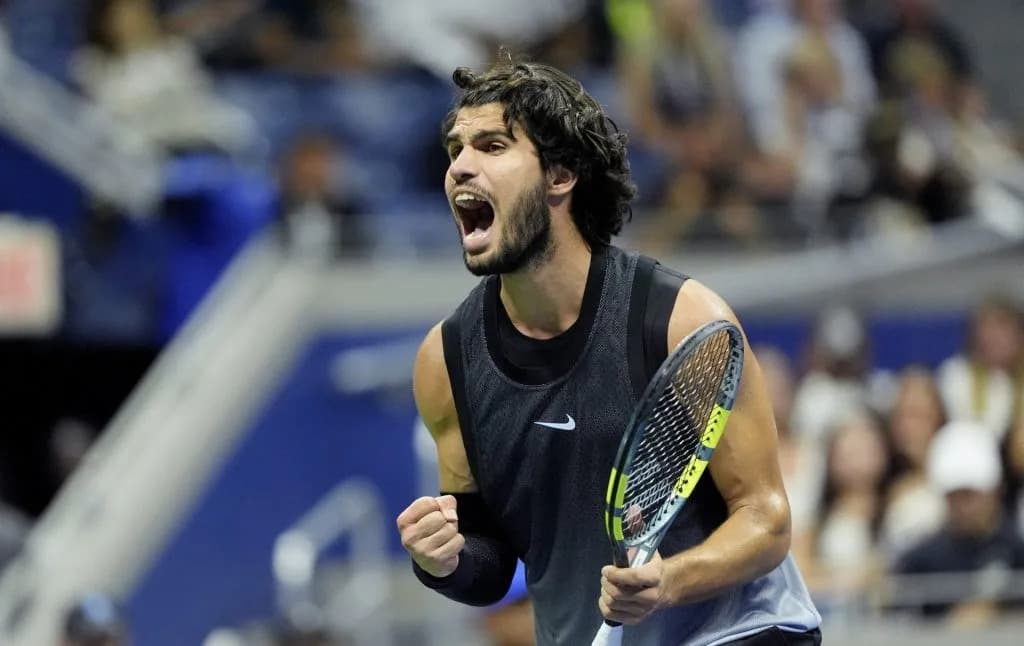
Carlos Alcaraz Urges an End to Matches Ending in the Early Hours
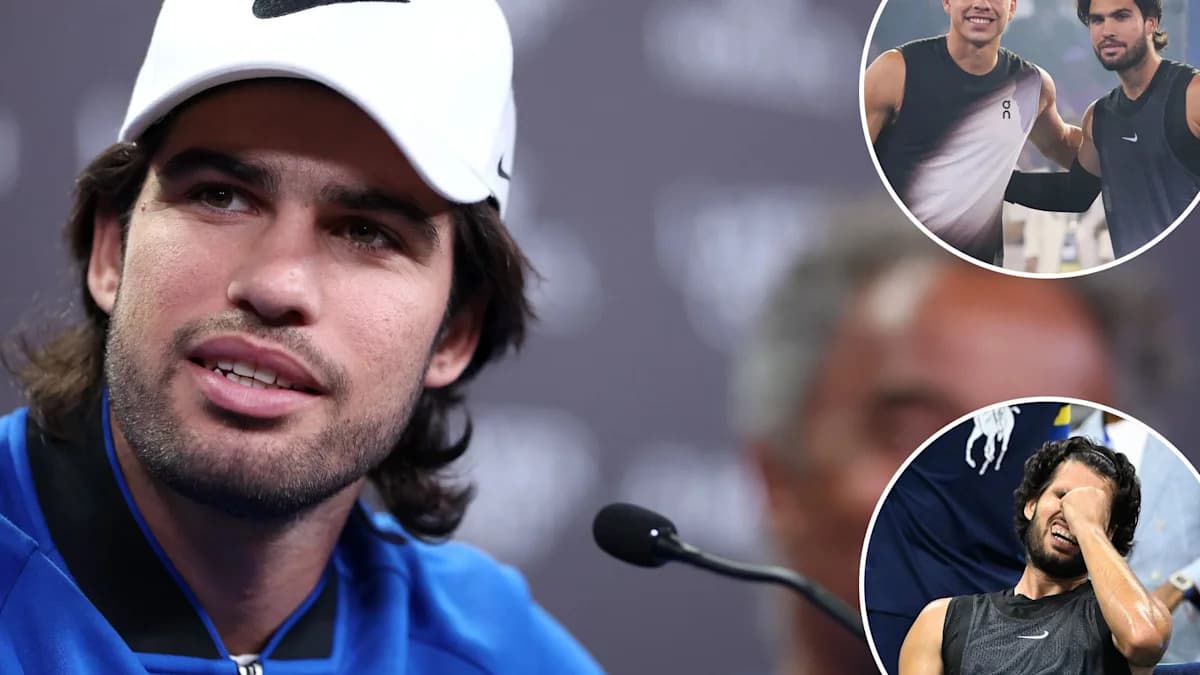
Carlos Alcaraz Criticizes Late US Open Finish After 3:30 a.m. Match
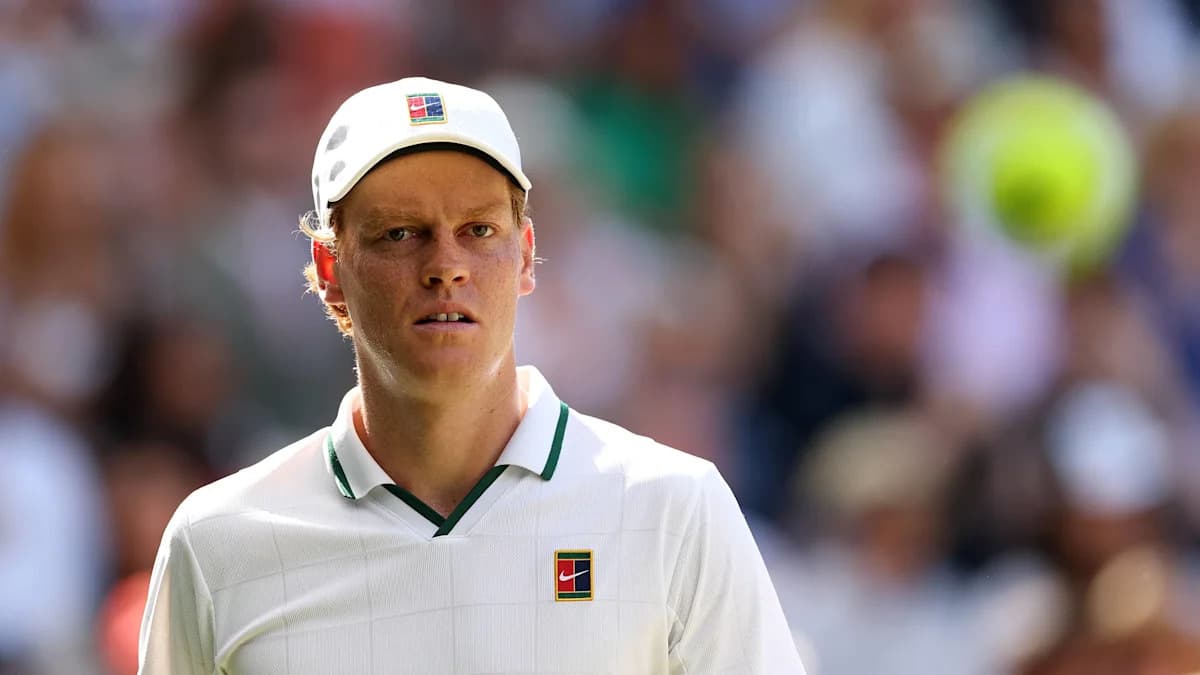
Jannik Sinner Set for ATP 500 Return in Beijing with Novak Djokovic Also Competing
Meet Iva Jovic: The American Tennis Prospect Making Waves
Flavio Cobolli Shares Insights on Practice Session with Jannik Sinner Ahead of Comeback
Till vs Romero: Fight Details, Undercard, and Viewing Info for This Weekend