
Real Betis Triumphs Over Real Madrid in Tactical Showdown

The September night at Estadio de La Cartuja felt like a neutral‑ground final more than a regular league date. Real Betis versus Real Madrid, both on 9 points after 4 matches, second against third in La Liga, and yet the script bent towards the hosts: a 1–0 Betis win that said as much about structure and suffering as it did about flair.
I. The Big Picture – Two 4‑2‑3‑1s, two different identities
Both sides arrived with matching formations on the teamsheet, but very different seasonal DNA. Heading into this game, Betis had built their early campaign on balance more than brilliance: overall they had scored 5 and conceded 5, with a goal difference of 0. At home, though, they were immaculate – 2 wins from 2, 2 goals scored and none conceded, averaging 1.0 goal for and 0.0 against per home match. This was a team comfortable in tight margins.
Real Madrid, by contrast, had been expansive and ruthless. Overall they had scored 10 and conceded 3, for a goal difference of 7. At home they were a storm – 8 goals scored and just 1 conceded across 2 matches, averaging 4.0 goals for and 0.5 against. Away, however, they were merely human: 2 goals scored and 2 conceded in 2 outings, a more modest 1.0 goal for and 1.0 against per away game.
That contrast framed the night: Betis, the home specialists of clean lines and clean sheets; Madrid, the heavyweight whose power had dipped slightly “on their travels”.
II. Tactical Voids – Injuries and what was missing on the board
The absentees told a tactical story before a ball was kicked. For Betis, the absence of D. Ceballos, D. Conde, A. Ezzalzouli, G. Lo Celso and A. Ruibal stripped Manuel Pellegrini of some of his most natural ball‑progressors and one‑v‑one threats between the lines. Without Lo Celso and Ceballos, the creative burden tilted heavily towards Isco and Pablo Fornals, while the width had to be manufactured more through structure than raw dribbling.
Madrid’s list was even more star‑studded: R. Asencio, Eder Militao, Endrick, F. Mendy, T. Pitarch, Rodrygo and A. Tchouameni all missing. The implications were clear. Without Militao and Mendy, José Mourinho turned to Ibrahima Konaté and Dean Huijsen in central defence with Marc Cucurella at left‑back – a back four that could defend space, but lacked the long‑standing automatisms of Madrid’s usual back line. The absence of Tchouameni forced Eduardo Camavinga into a more structurally disciplined role at the base, and without Rodrygo and Endrick, the bench lost some vertical, direct goal threat.
Disciplinary profiles sharpened the picture. Betis, across the season, had shown a tendency to collect yellow cards late: 37.50% of their cautions arriving between 76–90 minutes, and another 25.00% from 61–75. Madrid, meanwhile, were most combustible just after half‑time, with 33.33% of their yellows between 46–60 minutes and 22.22% from 61–75, before a second spike (22.22%) in added time (91–105). This was always likely to be a match where the rhythm around the hour mark would be disrupted by fouls and stoppages.
III. Key Matchups – Hunter vs Shield, and the battle for the engine room
The headline duel was obvious: Kylian Mbappé, one of La Liga’s top scorers with 4 goals in 4 appearances, against a Betis defence that, at home, had not conceded a single goal all season. Mbappé arrived with 28 shots (18 on target), 23 dribbles attempted with 16 successful, and 4 blocked shots to his name – a forward who not only finished moves but also created his own angles and even contributed defensively. Against him, Diego Llorente and Natan anchored a Betis back four in front of Álvaro Vallés, who had already presided over 2 home clean sheets.
The “Hunter vs Shield” dynamic was sharpened by context: Madrid’s away attack averaged 1.0 goal per game, while Betis’ home defence averaged 0.0 goals conceded. Over 90 minutes, that equilibrium tilted towards the Andalusians, who managed to keep Mbappé and the surrounding cast – Vinícius Júnior, Arda Güler, Jude Bellingham – from finding their usual vertical gears.
In midfield, the “Engine Room” battle was as intriguing as any. For Betis, Marc Roca and F. Bernal formed the double pivot, tasked with screening central zones and feeding the creative triangle of Antony, Isco and Fornals. For Madrid, Fede Valverde and Camavinga anchored the structure behind Güler, Bellingham and Vinícius.
Bellingham entered as one of the league’s standout all‑rounders: 2 goals, 2 assists, 10 key passes, 49 duels with 29 won, and a pass accuracy of 93%. He was both Madrid’s top assister and one of La Liga’s most influential midfielders. Yet Betis’ compact 4‑2‑3‑1, with Isco dropping intelligently onto Madrid’s deepest midfielder, repeatedly forced Bellingham to receive with his back to goal or wide of the central lane, reducing his ability to burst into the box.
On the flanks, Vinícius carried a different kind of threat: 1 goal, 2 assists, 26 dribbles attempted with 10 successful, and 17 fouls drawn. But his disciplinary profile – 2 yellow cards already – mirrored Madrid’s broader tendency to fray emotionally in tight games. Up against Héctor Bellerín and Fran García, Betis were content to double and even triple‑up, accepting fouls in non‑dangerous zones rather than allowing Vinícius to isolate.
IV. Statistical Prognosis – Why a tight Betis win made sense
Even without explicit xG values, the underlying numbers pointed towards a match of fine margins. Betis, overall, averaged 1.3 goals scored and 1.3 conceded per game, but those figures split into a defensive fortress at home (1.0 scored, 0.0 conceded) and a more chaotic version away. Madrid’s overall averages – 2.5 scored and 0.8 conceded – were inflated by their home form; away, they were essentially a 1–1 team.
Layer onto that Madrid’s penalty record this season: 1 penalty awarded, 0 scored and 1 missed, a 0% conversion rate from the spot. In a game where set‑pieces and small episodes often decide outcomes, that lack of ruthlessness from 12 yards hinted at a side not yet fully clinical in every phase.
Betis’ late‑card profile suggested they were used to defending leads under stress, absorbing pressure in the final quarter‑hour and beyond. Madrid’s yellow‑card spikes around 46–60 and 61–75 minutes hinted at frustration when games did not open up quickly after the break. Put together, the statistical and tactical strands pointed towards a contest where Betis could survive the early and mid‑game surges, then drag Madrid into a narrow, nervy ending.
The 1–0 full‑time scoreline, with Betis preserving yet another home clean sheet and Madrid failing to score away for the first time since their 1–0 defeat on the road earlier in the campaign, felt less like an upset and more like the logical intersection of styles. Betis’ 4‑2‑3‑1, with Vallés protected by a disciplined back four and a hard‑working double pivot, proved the perfect shield against Mbappé’s cutting runs and Bellingham’s late arrivals. Madrid, even with their constellation of talent, found that in La Liga’s early weeks, some fortresses are not easily stormed – especially when the numbers, and the narrative, are quietly stacked against them.
Related News
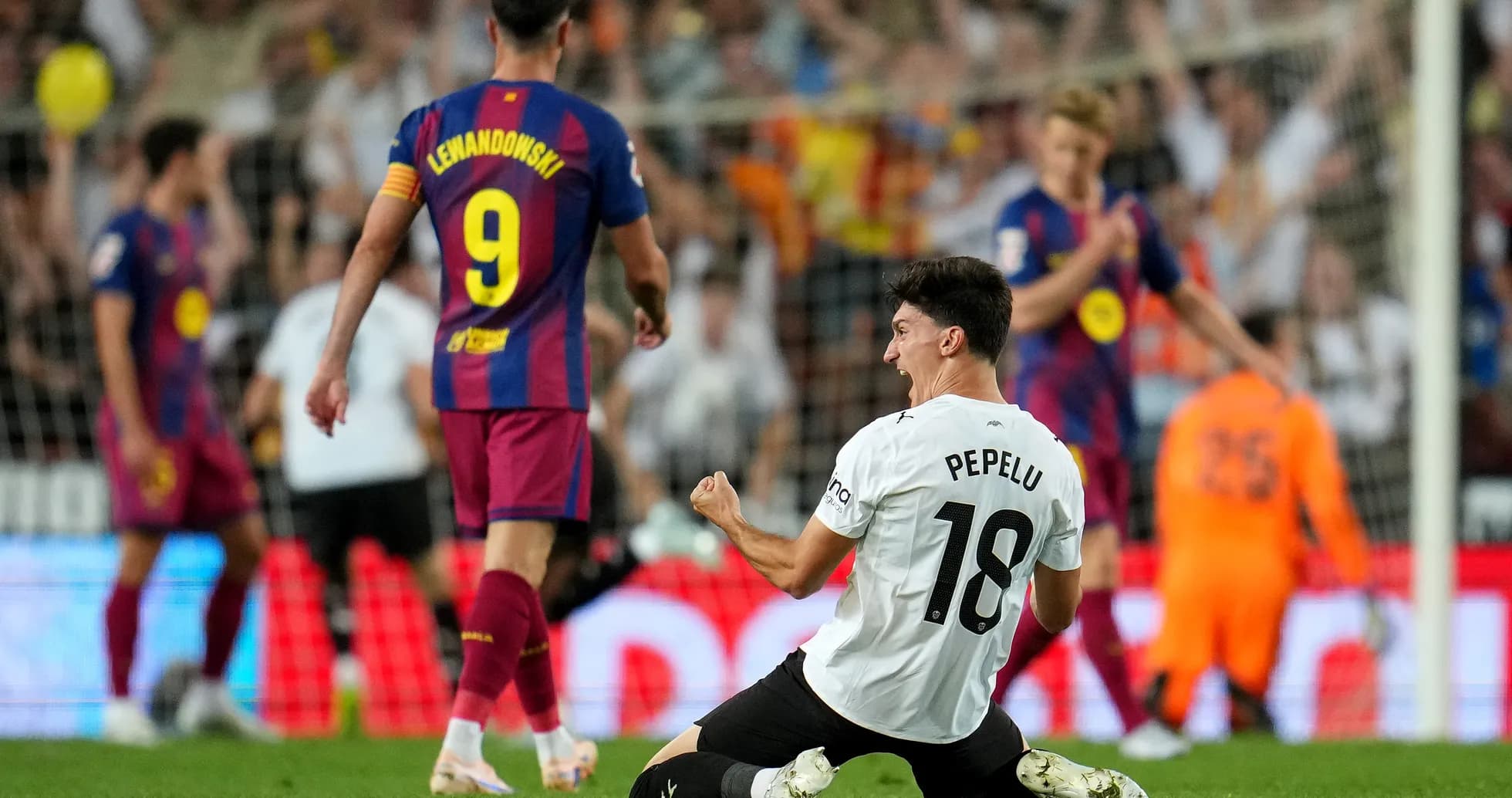
Valencia vs Barcelona Predicted Lineups: Team News and Match Insights
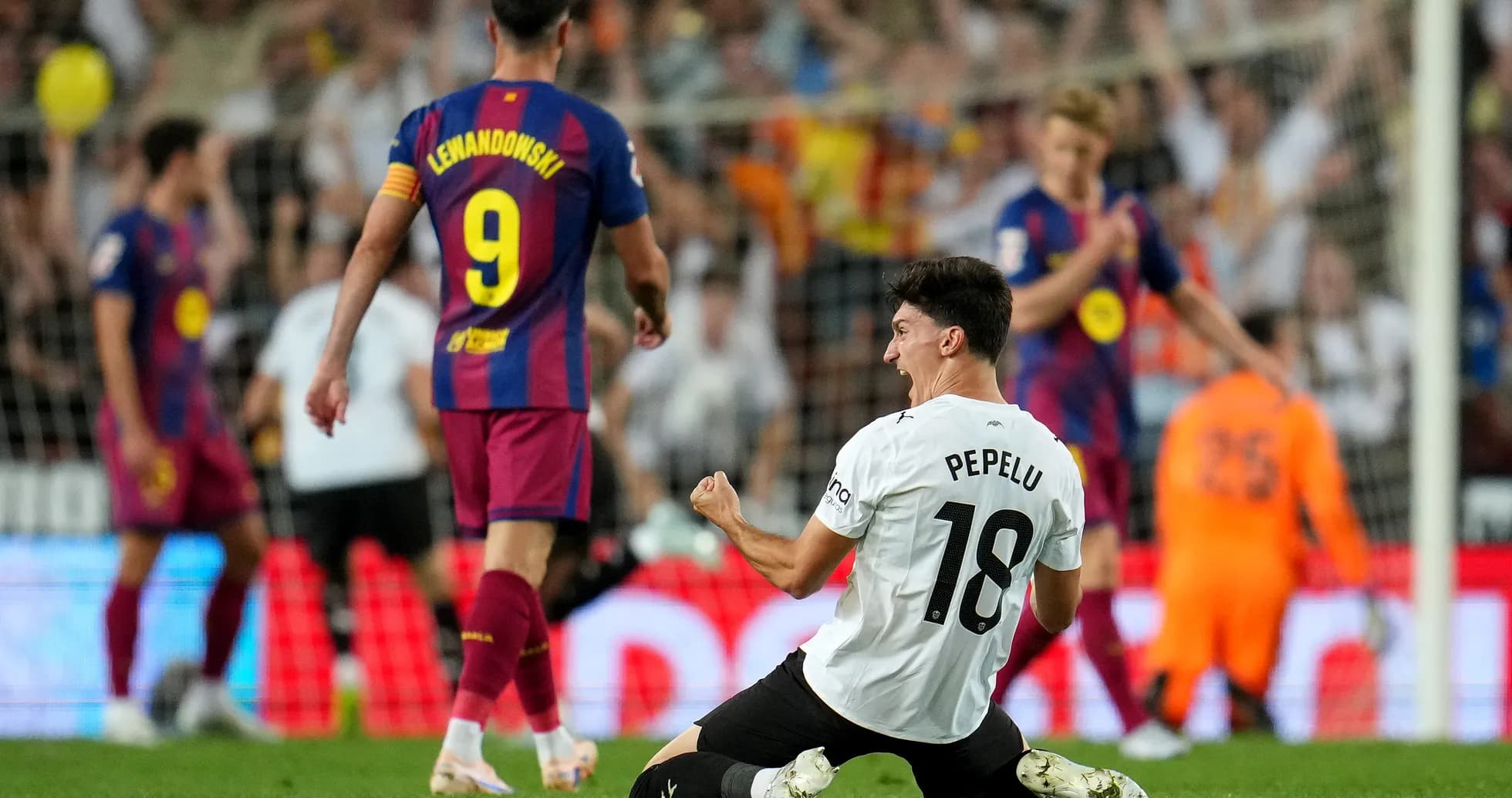
Barcelona vs Valencia: Clash of Extremes in La Liga
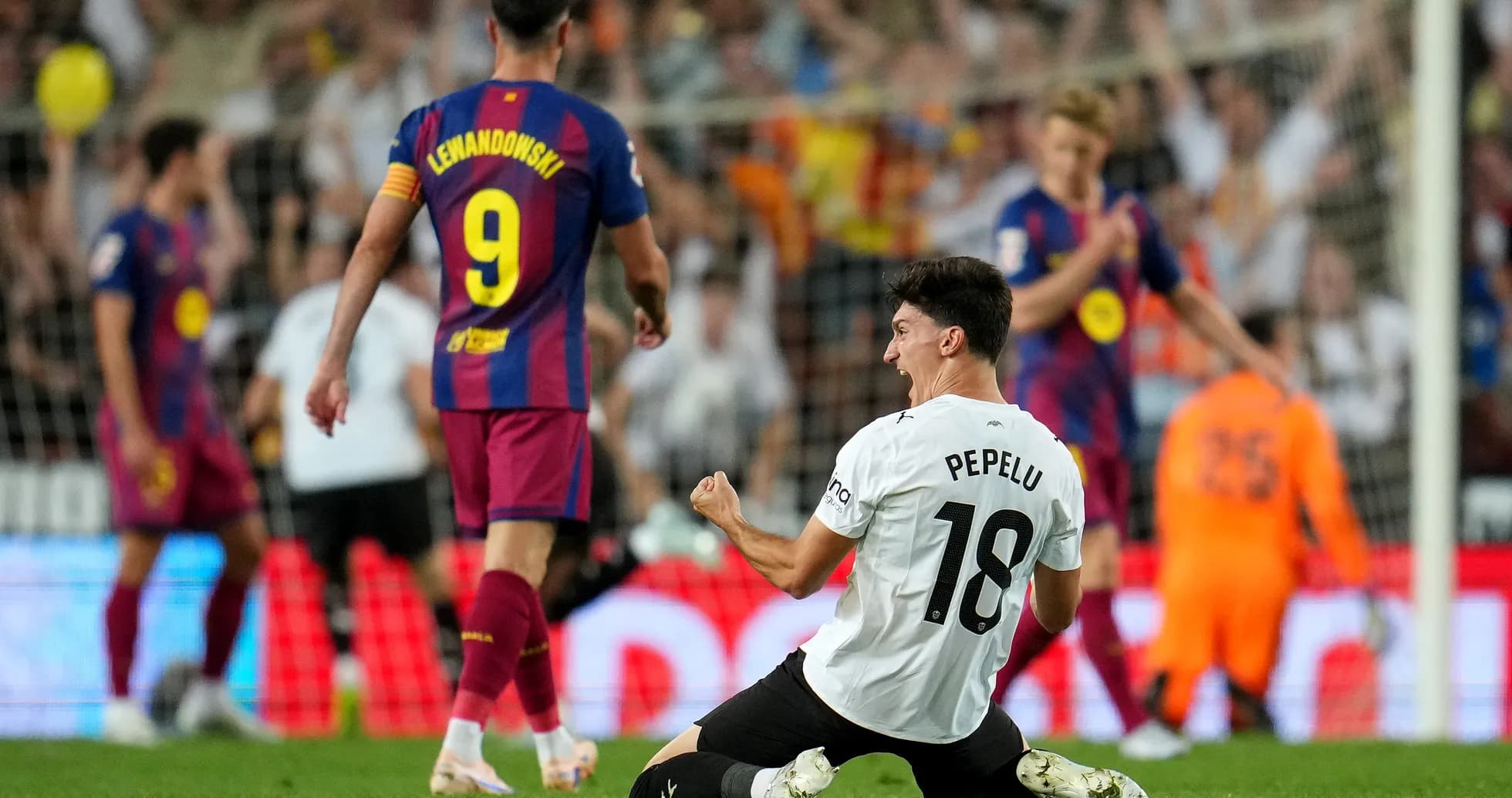
Valencia vs Barcelona Prediction: Key Stats and Betting Tips

Athletic Club vs Atletico Madrid Predicted Lineups and Team News

Athletic Club vs Atletico Madrid: La Liga Clash Preview

Barcelona Dominates Rayo Vallecano in 5-2 Victory