
Rhode Island Dominates Westchester SC in USL League One Cup
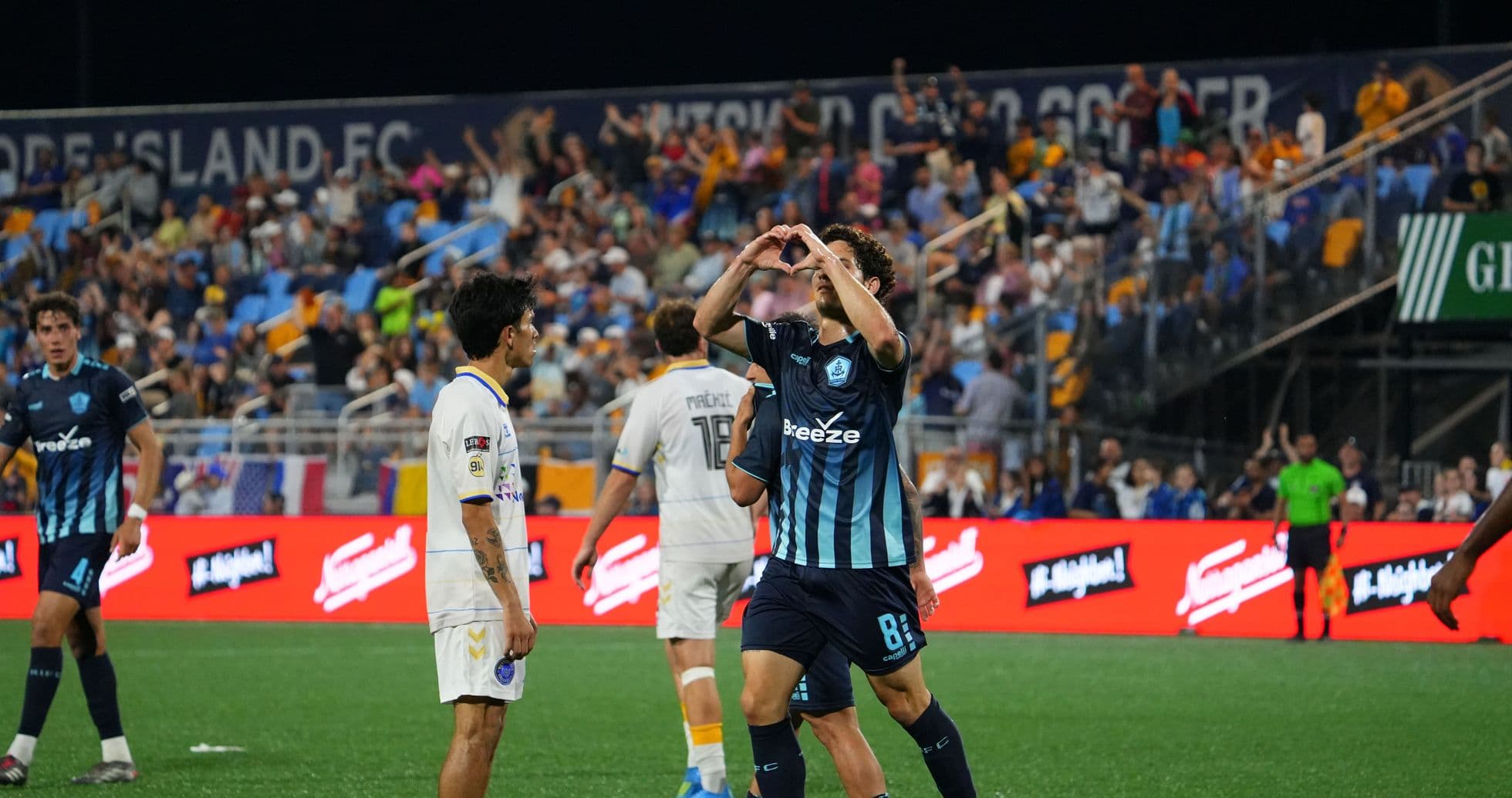
Under the lights at Centreville Bank Stadium, Rhode Island’s 3–0 win over Westchester SC felt less like a routine group-stage result and more like a declaration of intent in the USL League One Cup. Following this result, the Group 5 table underlines the contrast: Rhode Island sit 3rd with 5 points and a goal difference of 3 (8 goals for, 5 against overall in the standings data), while Westchester are 6th on 2 points with a goal difference of -3 (9 for, 12 against overall). The numbers sketch the outline; the squads and their structures fill in the detail.
I. The Big Picture: Rhode Island’s emerging identity
Rhode Island’s season profile is clear: they are front-foot and ruthless at home. At Centreville Bank Stadium they have played 1 match in this competition and have scored 3 goals while conceding 0. Overall, across 3 fixtures, they have 5 goals for and 2 against in the season statistics, averaging 1.7 goals scored and 0.7 conceded per game in total. That blend of punch and parsimony is exactly what unfolded in this 3–0 home win.
Khano Smith’s starting XI, though listed without a formal formation in the data, reads like a balanced, modern side. Koke Vegas anchors the back, with a defensive unit built around N. Scardina, K. Yao, F. Nodarse and A. Sanchez, and the versatile H. Bacharach Capdevila able to slide between defence and midfield lines. Ahead of them, A. Shapiro-Thompson, N. Fuson and C. Holstad provide the connective tissue, while A. Rodriguez and J. Williams carry the creative and finishing burden.
The identity is reinforced by the season trends: Rhode Island have yet to fail to score in any of their 3 matches in this competition, and they have kept 2 clean sheets in total. Their biggest home win is 3–0; their biggest away win is 1–0. The 3–0 here fits neatly into that emerging template of controlled aggression.
Westchester SC arrive with a very different profile. Across 3 matches in the season statistics they have scored 5 goals and conceded 8 in total, averaging 1.7 goals for but a worrying 2.7 against per game. On their travels, the picture is even starker: in 1 away fixture they have failed to score and have conceded 3. The standings data confirm the volatility: 9 goals scored and 12 conceded overall, with a group record of 1 win, 1 draw and 2 losses.
George Gjokaj’s starting lineup is built around L. Marinelli in goal, a back line including M. Jennings, T. Timchenko, C. Dickerson and J. Jimenez, and a midfield that leans on the energy and directness of S. Powder, A. Armas and B. Vasquez. M. Diaz, K. Evans and E. Mackic are asked to provide attacking thrust, but the structural fragility behind them has been a recurring theme.
II. Tactical voids and discipline
There are no listed absences in the data, so both managers had their core groups available. The real gaps are tactical rather than personnel-based.
For Rhode Island, the voids are minimal. The side is compact, and the season numbers back that up: only 2 goals conceded in total, and a clean sheet both at home and away. Their yellow card distribution is instructive: 50.00% of their cautions arrive between 46–60 minutes, and 50.00% between 91–105 minutes. This suggests a team that pushes the physical line right after half-time and again in late, game-management phases, but not one that loses control early.
Westchester’s disciplinary pattern is more concerning. In total, 50.00% of their yellow cards come between 31–45 minutes and another 50.00% between 76–90 minutes. That points to a side that frays at the edges just before the break and again under late pressure. In a match where Rhode Island already led 2–0 at half-time, that tendency to pick up cards late in halves fed into the narrative of a team chasing shadows rather than dictating tempo.
III. Key matchups: Hunter vs Shield, and the engine room
Without explicit goalscorer data, the “Hunter vs Shield” duel is best understood through unit-versus-unit clashes.
On one side, Rhode Island’s home attack: 3 goals scored in their only home game, with a total average of 1.7 goals per match. On the other, Westchester’s away defence: 3 goals conceded in their only away outing, and 8 conceded overall in 3 matches in the season statistics. The group-stage standings echo that defensive fragility with 12 goals against overall. This is a defence that has yet to keep a clean sheet in any context, home or away.
The front pairing of A. Rodriguez and J. Williams, supported by the movement of N. Fuson and the timing of A. Shapiro-Thompson’s runs, found space between Westchester’s lines. The lack of structural clarity in Westchester’s midfield left T. Timchenko and C. Dickerson repeatedly exposed, forced to defend wide spaces without consistent protection from the double pivot of A. Armas and S. Powder.
In the engine room, Rhode Island’s trio of Shapiro-Thompson, Holstad and Bacharach Capdevila offered a better balance of ball security and pressing. Their ability to compress the pitch made it difficult for Westchester’s creators like B. Vasquez and M. Diaz to receive between the lines. Instead, Westchester were often reduced to longer passes towards K. Evans and E. Mackic, which Rhode Island’s back line handled with relative comfort.
The benches tell a similar story of structural advantage. Khano Smith could turn to J. Castro, D. Rovira, G. Stoneman, Leo Afonso, K. Vang, Z. Herivaux and J. Peters to either close the game down or add fresh attacking legs. Westchester’s options — M. Molina, D. Guezen, B. Pierre, D. Burko, D. Bouman, K. Blommestijn and C. McGlynn — offered variety but were being asked to repair a system that was already leaking.
IV. Statistical prognosis and tactical verdict
Following this result, Rhode Island’s underlying numbers look like those of a dark horse. Across 3 matches in the season statistics they have 2 wins and 1 loss, with 5 goals scored and 2 conceded. They have never failed to score, and they have already posted 2 clean sheets. Their biggest home result is 3–0, and that same scoreline against Westchester reinforces the sense of a team that, when playing at Centreville Bank Stadium, can both dominate and suffocate.
Westchester, by contrast, remain an entertaining but brittle proposition. Across 3 games in the season statistics they have 1 win and 2 losses, with 5 goals scored and 8 conceded. They have yet to keep a clean sheet, and on their travels they have scored 0 and conceded 3. The standings data, with 9 goals for and 12 against overall, underline that their attacking potential is constantly undermined by defensive looseness.
In xG terms — even without explicit figures — the shape of the match is easy to infer. A side that averages 1.7 goals per game and concedes only 0.7 in total, playing at home against an opponent that concedes 2.7 per match overall, is likely to generate the higher-quality chances and to limit the opponent’s looks at goal. The 3–0 scoreline is not an outlier; it is the logical expression of these profiles.
Tactically, Rhode Island’s compactness between the lines, the work rate of their midfield, and the coordinated movements of Rodriguez, Williams and Fuson give them a repeatable blueprint. Westchester will need to rethink their defensive distances, especially away from home, and find a way to protect Marinelli and his back four from the kind of overloads Rhode Island created so effectively here.
As the group stage continues, this match will stand as a reference point. Rhode Island look like a side whose numbers and structure are aligned; Westchester, for all their attacking flashes, still feel like a team chasing balance they have yet to find.
Related News
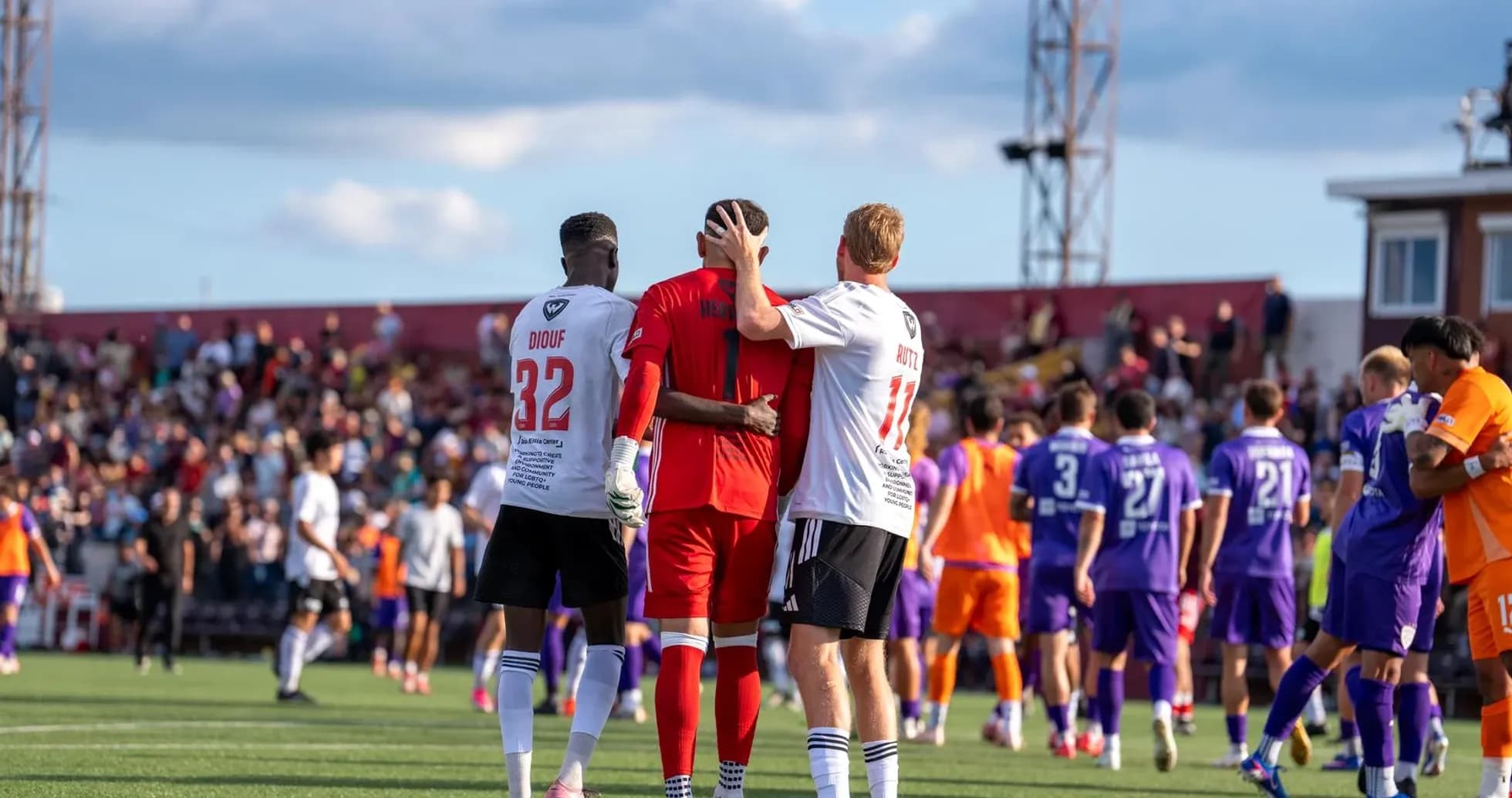
Louisville City Edges Detroit City in Penalty Shootout
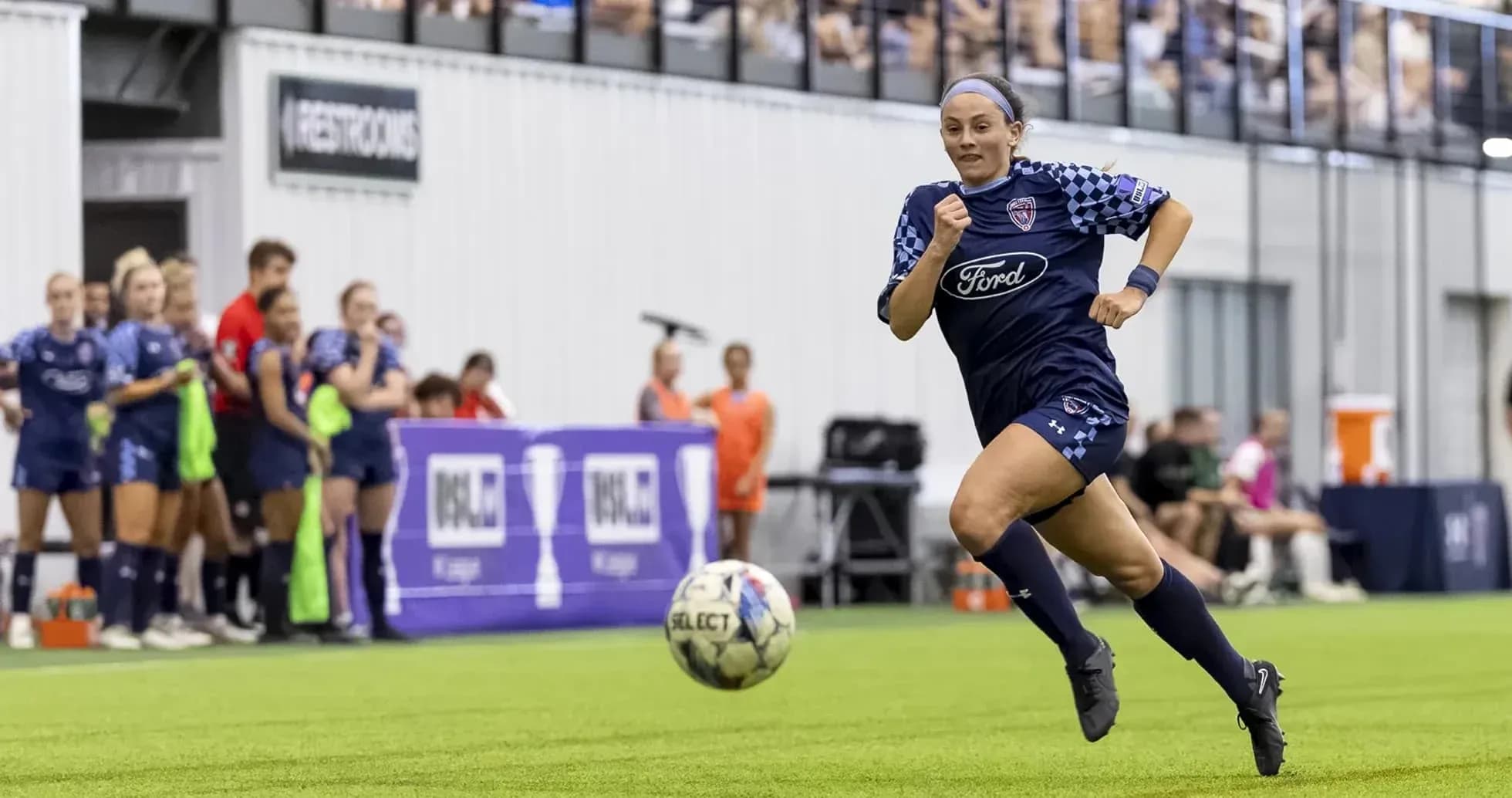
Lexington vs Indy Eleven: USL League One Cup Showdown
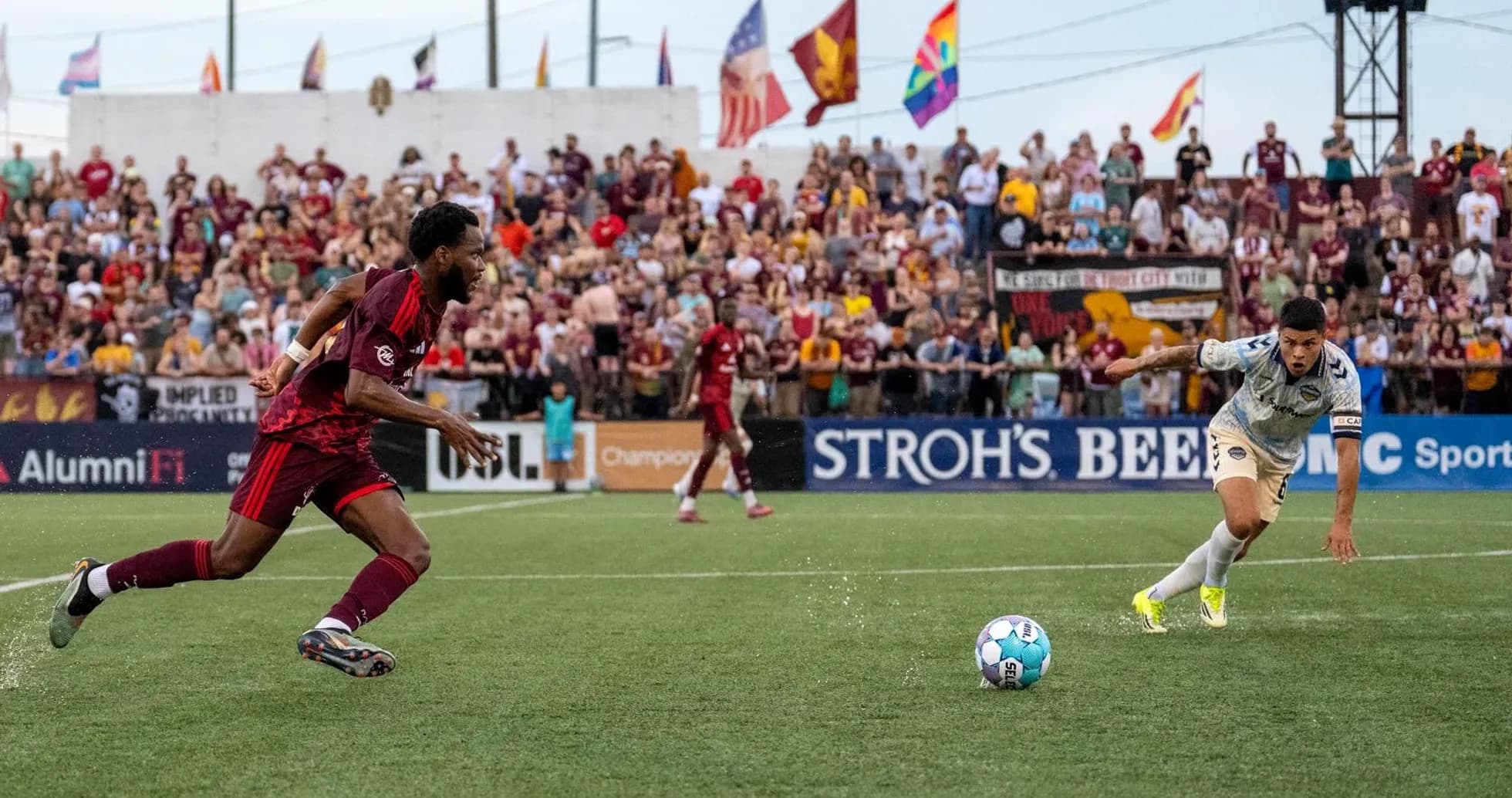
Detroit City vs Louisville City: USL League One Cup Showdown
Lexington vs Indy Eleven: USL League One Cup Group Stage Preview

Detroit City vs Louisville City Match Preview

Lexington vs Indy Eleven: USL League One Cup Clash Insights