
Robbie Keane's Potential Return to Celtic: A Complex Decision
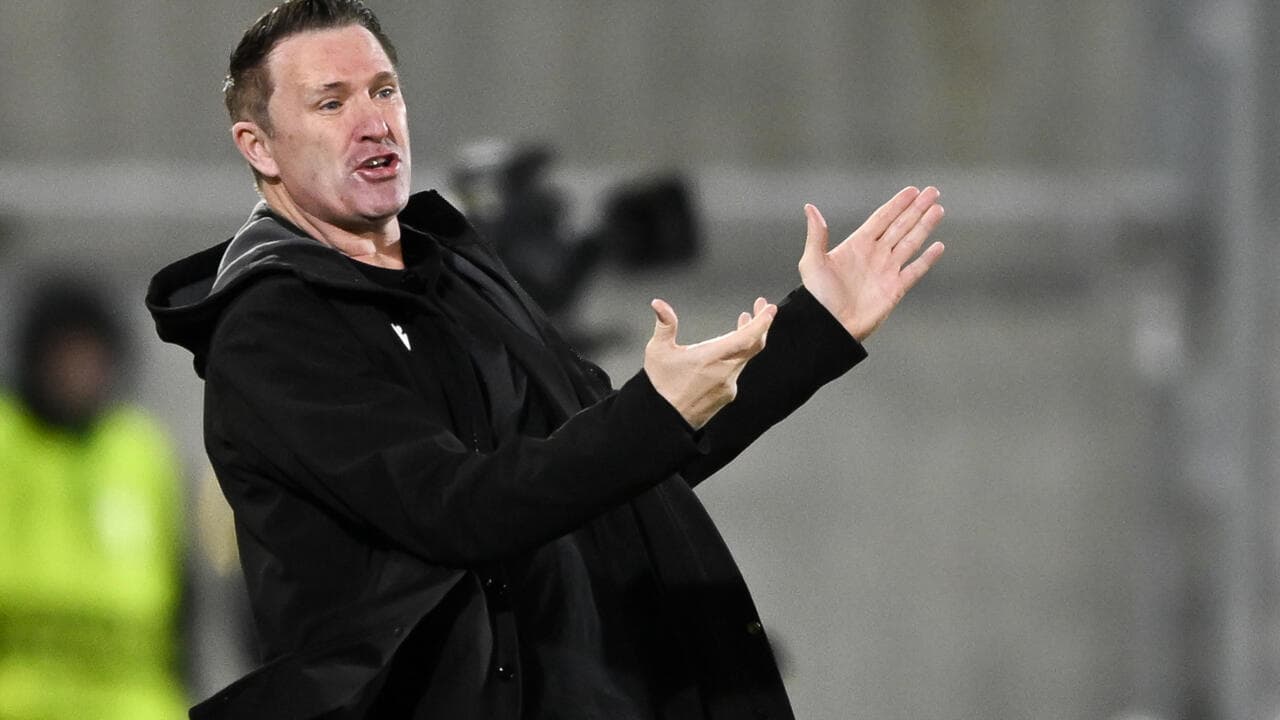
Robbie Keane’s path back to Celtic, once imagined as a romantic reunion, is already colliding with the club’s politics, history and sense of identity.
The Republic of Ireland’s record goalscorer is the leading contender to take charge of the Scottish champions after reportedly entering talks with principal shareholder Dermot Desmond. On football terms, it makes a kind of sense: a high-profile name, a former fan favourite, a man who knows the club and delivered goals in green and white during a prolific loan spell in 2010.
But this is not just a football decision anymore. Not at Celtic. Not now.
A Managerial Candidate, A Political Fault Line
Keane’s recent past has turned what might have been a straightforward appointment into a flashpoint.
His choice to remain in Israel as manager of Maccabi Tel Aviv after the outbreak of the war in Gaza drew sharp criticism in Ireland and alienated a vocal section of the Celtic support. While bombs fell on Gaza, Keane stayed in his post, later explaining he felt a duty of care to the staff who had followed him there.
“I have a duty of care,” he said. “My analyst, for example, was at Middlesbrough for 12 years. For him to come with me to Israel and then for me to just walk away, leaving him and his family.”
He had taken the Maccabi job in June 2023, months before the Hamas-led attacks of October 7 that triggered Israel’s bombardment of Gaza. He then guided the club to a league and cup double, only resigning in 2024 and moving on to Hungarian side Ferencvaros in 2025.
For many Celtic supporters, the timing and context of that success are impossible to separate from the wider conflict.
Graffiti, Banners and a Growing Backlash
Celtic Park has long been a stage for political expression, and the war in Gaza has been no exception. Palestinian flags have become a regular presence at matches throughout the conflict, a visual statement of solidarity from a support that often looks beyond the touchline.
Now, the same stands and streets are turning into a battleground over Keane.
Graffiti and banners opposing his potential appointment have appeared outside the stadium in Glasgow. The message is blunt: this is not just about tactics, trophies or touchline demeanour. It is about what Celtic stands for.
A group calling itself “Celtic Fans for the Liberation of Palestine” has issued a strongly worded statement warning that hiring Keane “would be deeply divisive among the support”. The “North Curve Celtic” account on X has gone further, publishing a list of 67 groups it says have endorsed that position.
“Celtic supporters have a long and proud history of solidarity with the Palestinian people,” the statement reads. “For us, Robbie Keane’s decision to manage Maccabi Tel Aviv during the genocide in Gaza is impossible to ignore.
“To choose to manage a club in Israel while, less than 40 miles away, the same country was using indiscriminate weapons of mass murder against defenceless people is unconscionable.
“Celtic was founded by a community shaped by the legacy of genocide, displacement and famine. Our club’s roots lie in solidarity with those who suffered injustice and oppression.
“We urge the Celtic board to listen to supporters’ concerns and reconsider this appointment.”
The words cut straight to the heart of Celtic’s self-image: a club born from poverty and displacement, with a fanbase that fiercely guards its traditions of political and social engagement.
A Board Under Pressure
Inside the boardroom, the equation is suddenly far more complex than identifying the best available coach.
On one side stands Keane: a high-profile candidate, a former Celtic player, a recent title winner in Israel who has already experienced the scrutiny that comes with managing in a charged political environment. On the other stands a mobilised section of the support, already organised, already visible, already framing his arrival as a betrayal of the club’s values.
The board does not need reminding that Celtic’s relationship with its most vocal fans can be combustible. The “North Curve” and associated groups have never been shy about making their feelings known, and the early appearance of graffiti and banners suggests this opposition will not fade quietly if Keane is appointed.
The question is no longer just whether Keane is the right football man. It is whether the club is prepared to ride out the storm that would follow his unveiling.
O’Neill’s Shadow and a Fragile Peace
All of this plays out against the backdrop of a season that ended in triumph on the pitch and uncertainty off it.
Interim manager Martin O’Neill, 74, stepped back into the dugout and delivered under pressure, leading Celtic to the Scottish Premiership title on the final day of the campaign and adding the Scottish Cup for good measure. It was a reminder of an era when Celtic’s identity felt simpler: big European nights, domestic dominance, and O’Neill prowling the technical area.
His success has given the board a little breathing space but also raised expectations. Whoever follows must not only match results but navigate a fanbase that expects its club to act in line with its political conscience.
Keane’s candidacy tests that balance more than most.
A Decision That Will Define More Than a Season
For now, Keane remains in talks, a leading contender with a growing cloud around his name in Glasgow’s east end. The board knows the stakes. Appoint him, and Celtic gain a headline manager with a decorated playing career and recent silverware abroad, but risk a rift with a significant and organised slice of the support. Walk away, and they acknowledge the power of fan sentiment in shaping the club’s future.
Celtic has never been just another football institution. It is a club that carries its history heavily, where choices in the dugout can echo far beyond the technical area.
If Robbie Keane walks back through the doors of Celtic Park as manager, it will not simply be a homecoming. It will be a test of how far the modern club is willing to stretch the ideals on which it was built.
Related News

Wilfred Ndidi’s Marriage Reportedly Ends as He Enters New Relationship

Cristiano Ronaldo's Top 5 Most Valuable Cars in His Extraordinary Collection
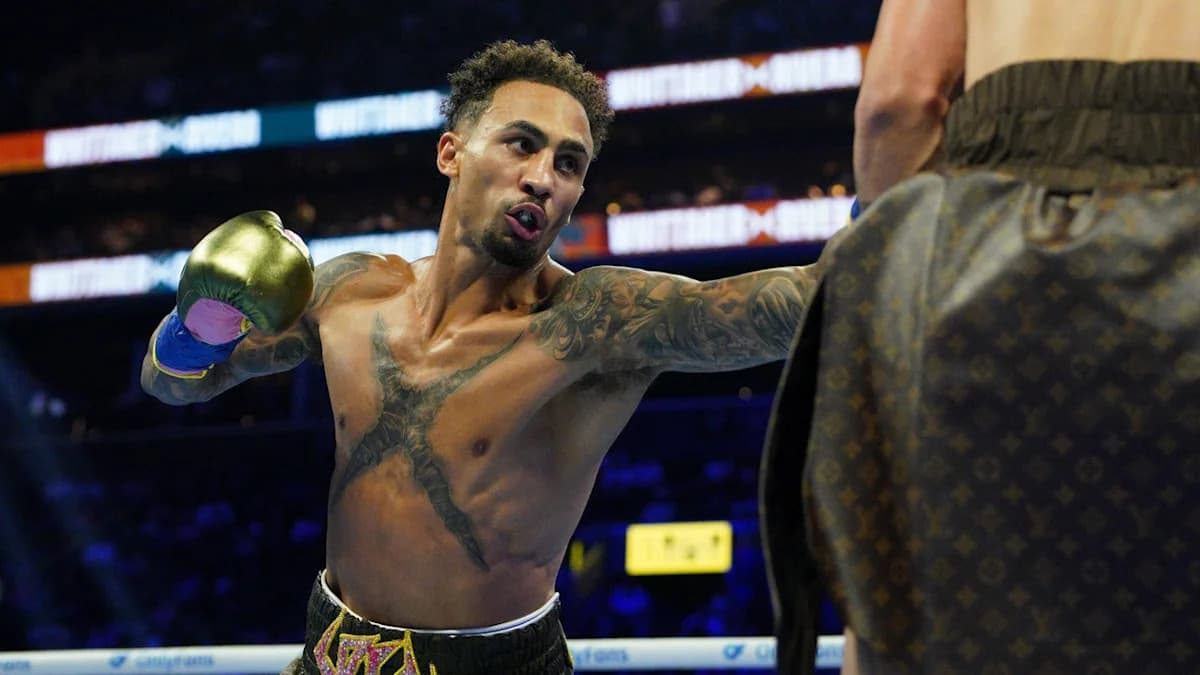
Ben Whittaker’s Challenge to Prove Eddie Hearn’s Bold British Boxing Bet
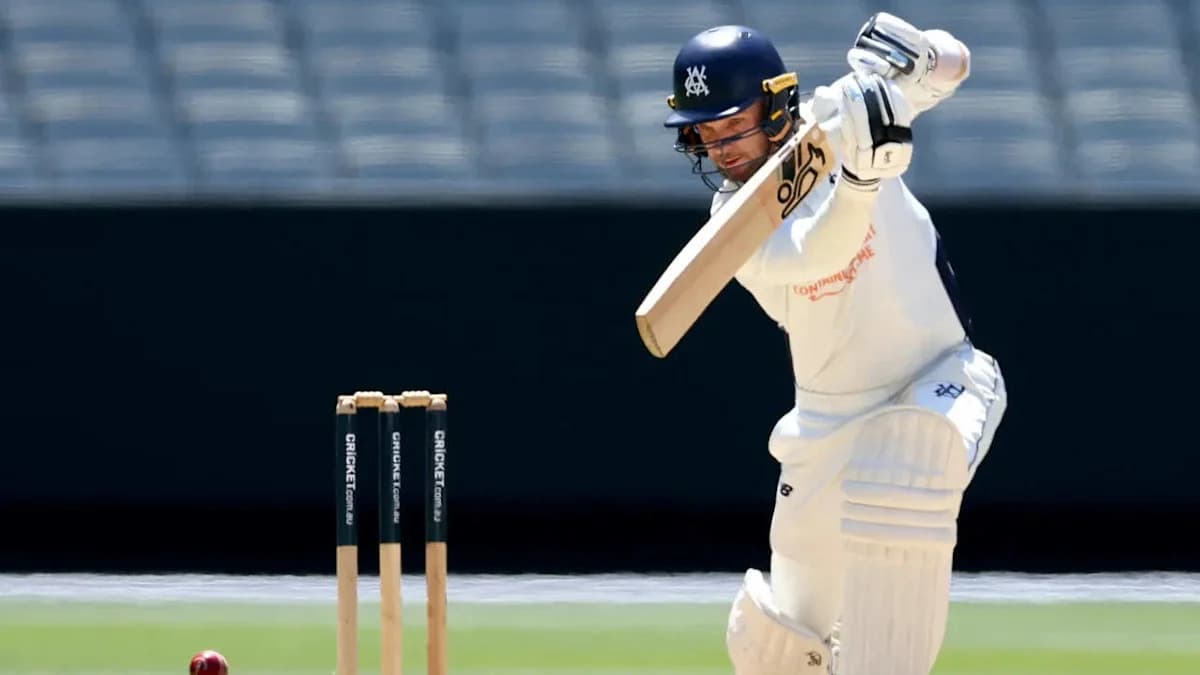
Peter Handscomb on the Challenge of Facing Indian Bowlers
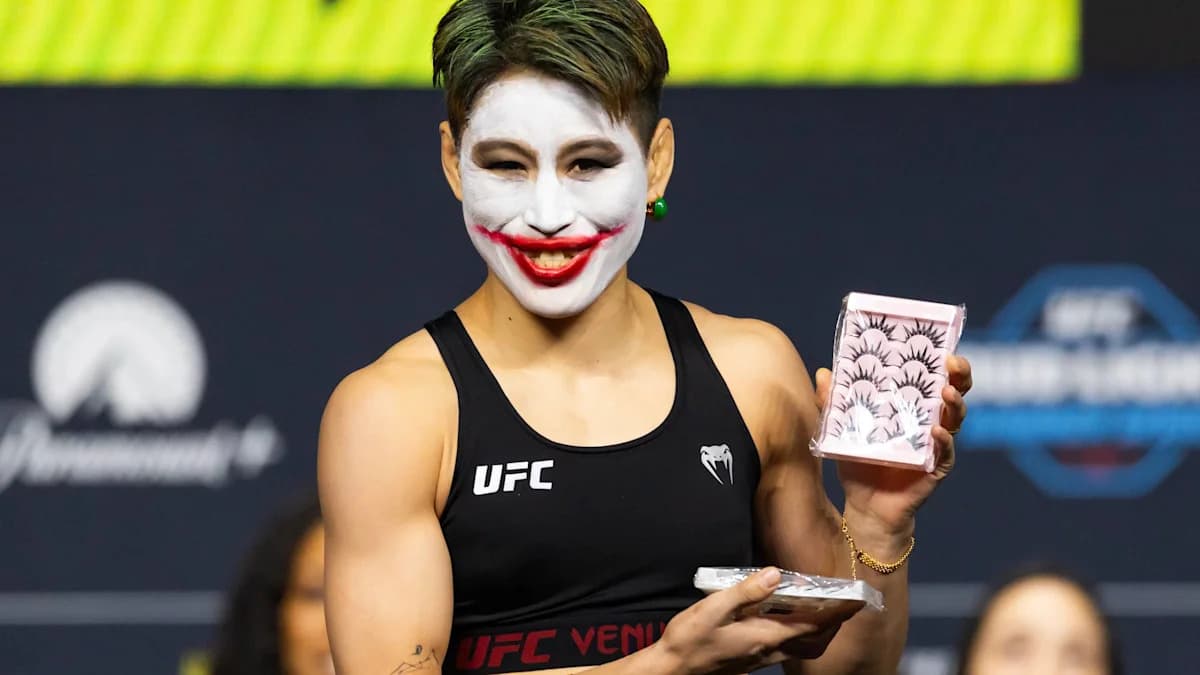
How to Watch UFC 332: Silva vs. Wang Live on CBS and Paramount+ This Saturday
Raul Rosas Jr. Shares His Thoughts on the Shocking UFC Vegas 121 Finish Against Raoni Barcelos