
Robbie Ure's Journey: From Rangers Academy to Potential La Liga Star
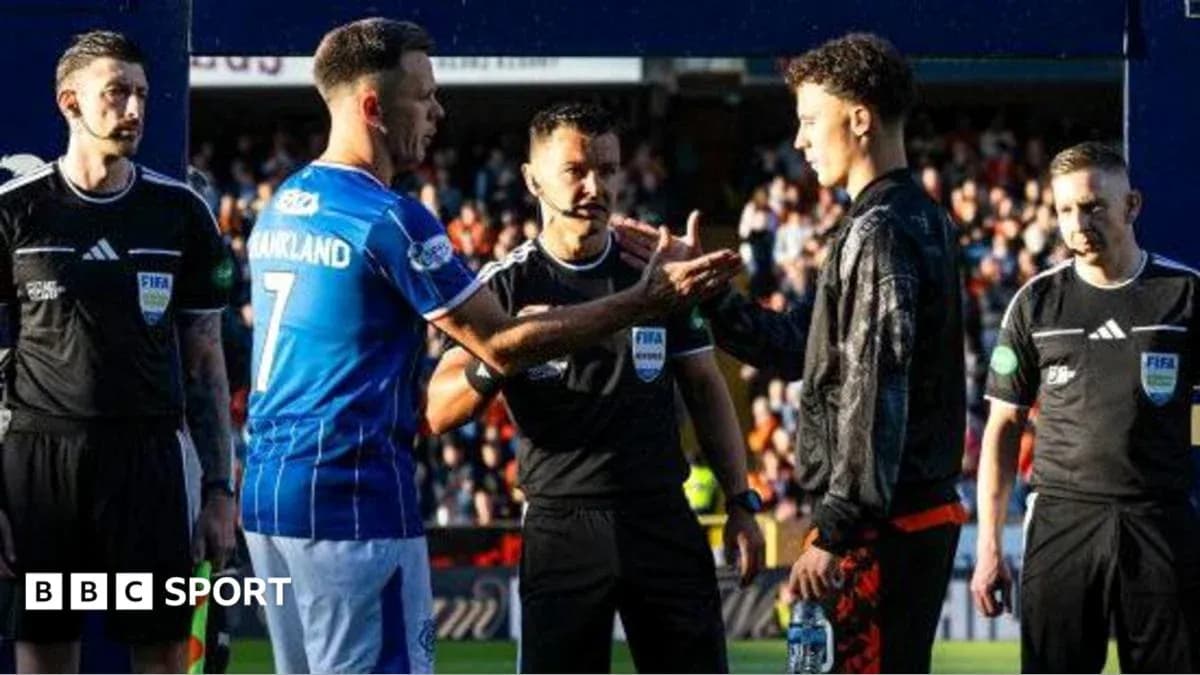
Robbie Ure was 18 when he first pulled on a Rangers shirt in anger, a fresh‑faced striker handed a League Cup start against Queen of the South in August 2022. He scored, looked alive, hinted at something. Then the door quietly closed.
What followed barely counts as a Rangers career. One minute against St Mirren in November. Another minute against Hibs in May. Two Premiership cameos six months apart, a stopwatch rather than a run in the team. For a teenager desperate to play, it was starvation rations.
Rangers were struggling on all fronts at the time, but not struggling badly enough to trust their own. They went shopping instead. Around £6m on Danilo, a total outlay nudging £10m once wages are factored in. Another £3.5m on Sam Lammers, again north of £4m with salary. The pathway at Ibrox didn’t just look blocked. It looked bricked up.
So Ure walked. First to Anderlecht, then to IK Sirius in Sweden. Out of sight, out of mind – at least until he started scoring and wouldn’t stop.
Now 22, Ure has grown into his frame and his role. Fifteen goals in 15 games. Ten in his last six. Those are not the numbers of a prospect, they are the numbers of a centre-forward announcing himself. On Sunday, word filtered through that Sevilla want him, with a fee close to £8m being discussed.
The timing was cruelly poetic. Rangers had just lost 2-1 at home to Hibs. As the mood darkened around Ibrox, the story broke of a former academy striker, allowed to leave for nothing, now being courted by one of Spain’s great old clubs in a multi‑million pound deal.
You could almost hear the grinding of teeth from Govan to Hampden.
For the Scottish FA, though, Ure’s rise is quietly invaluable. Next month in St Andrews, chief executive Ian Maxwell and chief football officer Craig Mulholland will stand in front of the owners and CEOs of Scotland’s senior clubs and ask a simple, awkward question: why won’t you trust your own?
The event is titled “Made In Scotland?” but it might as well be called “What Are We Doing?” It is a plea, wrapped as a presentation, for clubs – particularly in the Premiership – to look again at their pathways and ask themselves whether they are really giving young Scottish players a fair crack.
If Maxwell and Mulholland were inclined to twist the knife, Ure would be slide one in the deck. Here is the argument in human form: if Rangers had backed their academy product, they might have saved themselves a fortune on imported strikers and eventually banked another by selling a developed, homegrown forward. Instead, they have nothing. Sirius and, potentially, Sevilla have everything.
Of course, it’s never as simple as that. Ure now is not necessarily Ure then. Players mature at different speeds. There is hindsight at work here, and plenty of it. But the sting is real. Just as it was for Celtic when Ben Doak – now Gannon-Doak – slipped away south having barely touched the first team, only to become another multi-million pound Scottish export developed somewhere else.
The early weeks of this Premiership season only sharpen the point.
Across the opening two rounds, just 31% of all players who saw any action were Scottish. Only 5% were Scots aged 21 or under. Forty-six different nationalities have already featured. One of the country’s biggest clubs, Dundee United, have used a single Scottish player in two matches – Dylan Tait, on his own little island in tangerine.
Ask any chairman, chief executive or manager whether they want academy graduates in their first team and the answer comes back emphatically: yes. They talk about identity, community, pride. Then the caveats arrive. Pressure. Budgets. Relegation fears. Europe. Injuries. The list is long, some reasons entirely legitimate, others a smokescreen for short-term thinking.
There are nuances. Dundee United will point to the money and time sunk into their youth set-up, then to 16‑year‑old Kai Hutchison, tempted away to Everton. They are not alone. Celtic have seen Dara Jikiemi go to Liverpool and Daniel Cummings to West Ham. Rangers have lost Cameron Scott to Burnley and Chris Eadie to Sheffield United. Hearts watched Boyd Fraser join Nottingham Forest and Keir McMeekin head to Manchester City. Hibs can point to Ben Vickery at City and Josh Landers at West Ham.
Those are only the most visible names in a long, quiet exodus. Bigger wages matter, of course, but money is the easy explanation. The harder truth is opportunity – or the lack of it.
Parents and players are looking at Scotland and struggling to see a route from academy to first team. They are looking at the benches and the team sheets and they are not seeing poster boys, not in meaningful numbers, at the country’s biggest clubs. What they do see is a steady stream of journeymen imports, CVs padded with modest spells in obscure leagues, arriving to stand in the way.
If you are a talented 17‑year‑old, what does that tell you? Stay and risk stagnation, or leave and hope?
That is the mindset Maxwell and Mulholland must confront in St Andrews. They will have an audience. Whether they have a listening one is another matter. Appealing to national pride and the health of the Scotland team in ten years’ time will not be enough. The men and women in that room are judged on balance sheets and league tables, not on caps handed out in 2036.
So the argument has to be ruthless and self‑interested: this is how playing your own can make you richer, stronger, more competitive. This is how you stop spending millions on short-term fixes and start banking millions on players you have already paid to develop.
The problem is, they have made this case before.
In August 2024, the Scottish FA published its Transition report, a 114‑page deep dive into the state of youth progression. Andy Gould, then chief football officer, and Chris Docherty, then head of men’s elite football strategy, marshalled global data, case studies, interviews. They challenged long‑held beliefs about the supposed risk of playing kids and laid out, in black and white, the financial and footballing upside of trusting them.
The numbers were damning. Scottish academy players were getting a fraction of the senior minutes enjoyed by their peers in other leagues and nations that have overtaken Scotland in both player exports and international results. The report showed how clubs across Europe had built transfer machines by doing the very thing Scottish clubs keep talking about but rarely committing to: nurturing, playing, then selling.
Its core message was blunt: the idea that “kids win you nothing” is a myth. The data doesn’t back it up. Being bold does.
Some recommendations were adopted. The central thrust was not.
A second report arrived in October 2025, even bigger at 133 pages, again authored by Gould and Docherty. It was another strong, detailed piece of work, packed with ideas. Both men have since left Hampden. You suspect there are only so many times you can run into the same wall before your head gives out.
Now comes another attempt. Another room. Another audience of decision‑makers who, for all the talk of national duty, will ultimately ask one question: how does this help my club?
Outside that room in St Andrews sits the Road Hole bunker on the Old Course’s 17th, a patch of sand that has wrecked more dreams than most defenders. Holing out from there can feel impossible. Shifting the mindset of Scotland’s biggest clubs on youth development might be harder.
Maxwell and Mulholland will walk into that room armed with data, case studies and, somewhere in the back of their minds, the image of Robbie Ure scoring goals in Sweden and possibly heading for La Liga. The question is simple, and brutal: how many more Ures, Doaks and others are they prepared to watch flourish elsewhere before Scotland finally backs its own?
Related News
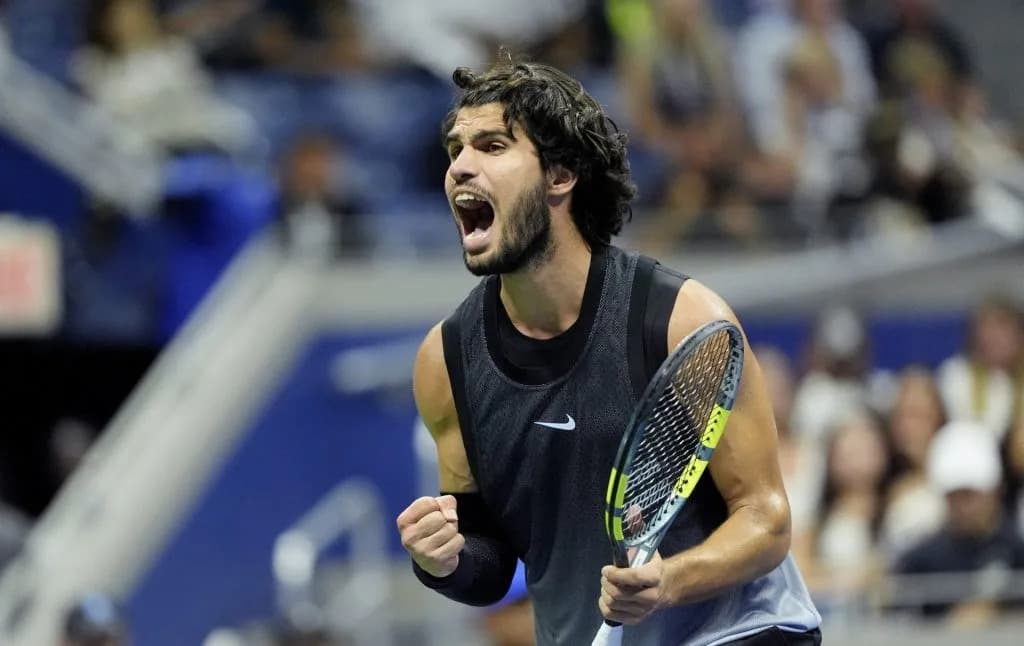
Carlos Alcaraz Urges an End to Matches Ending in the Early Hours
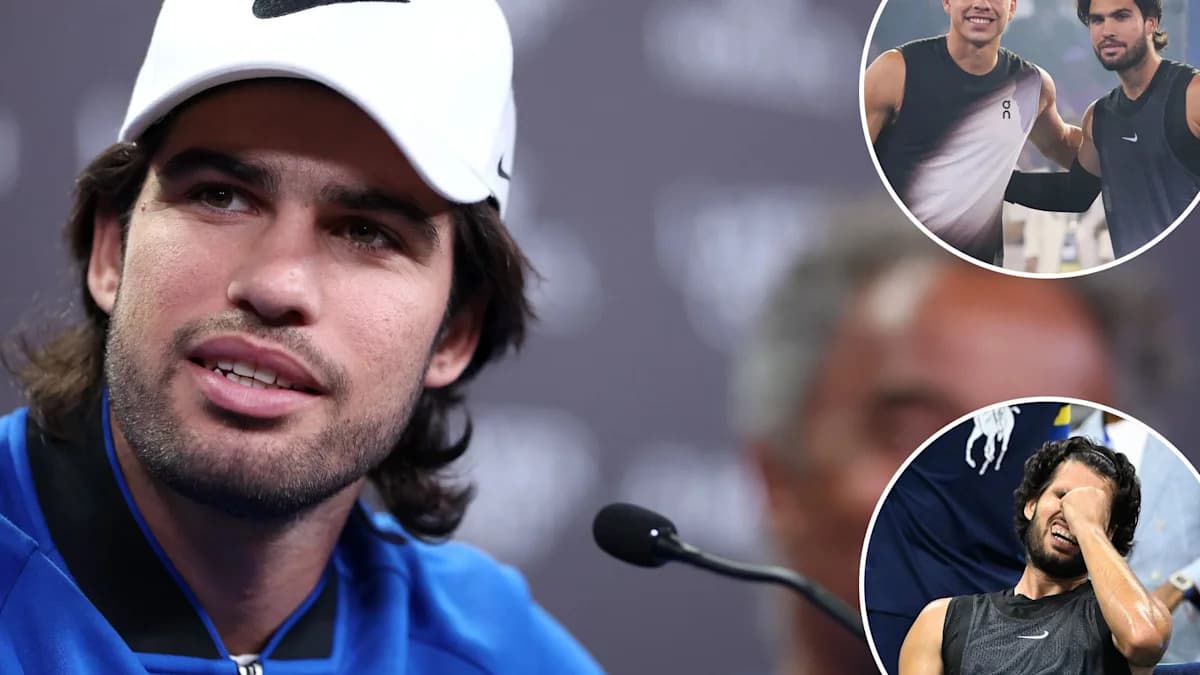
Carlos Alcaraz Criticizes Late US Open Finish After 3:30 a.m. Match
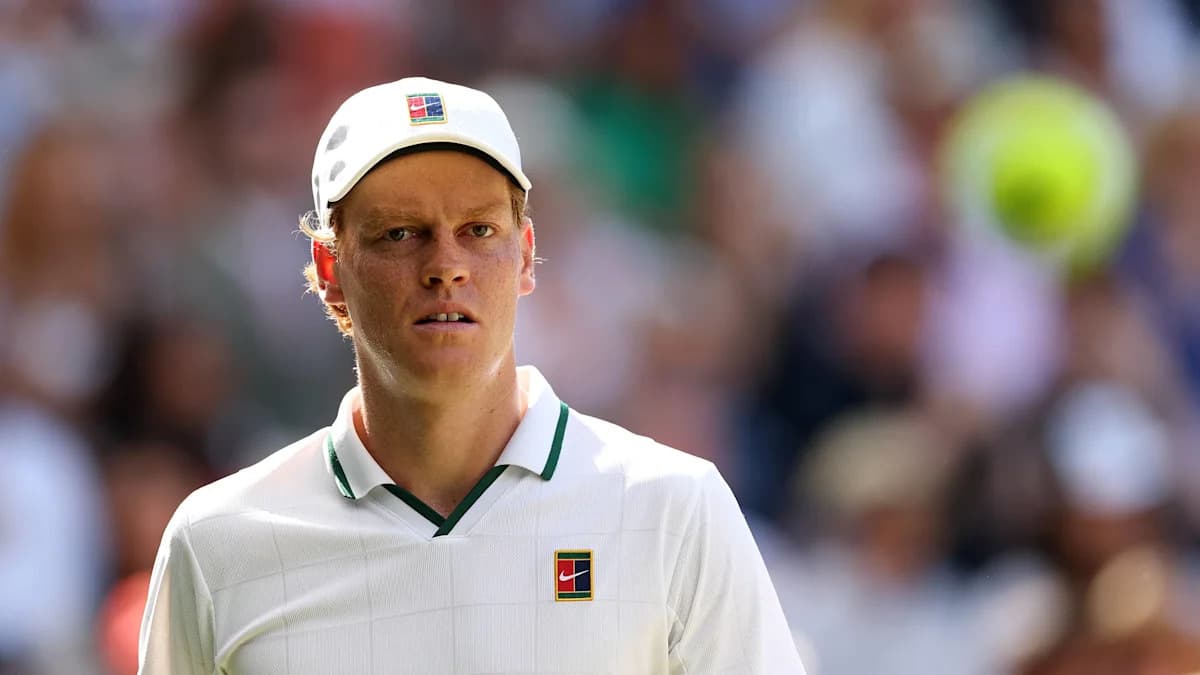
Jannik Sinner Set for ATP 500 Return in Beijing with Novak Djokovic Also Competing
Meet Iva Jovic: The American Tennis Prospect Making Waves
Flavio Cobolli Shares Insights on Practice Session with Jannik Sinner Ahead of Comeback

Till vs Romero: Fight Details, Undercard, and Viewing Info for This Weekend