
Rodri's Future: Barcelona, Real Madrid, or Manchester City?
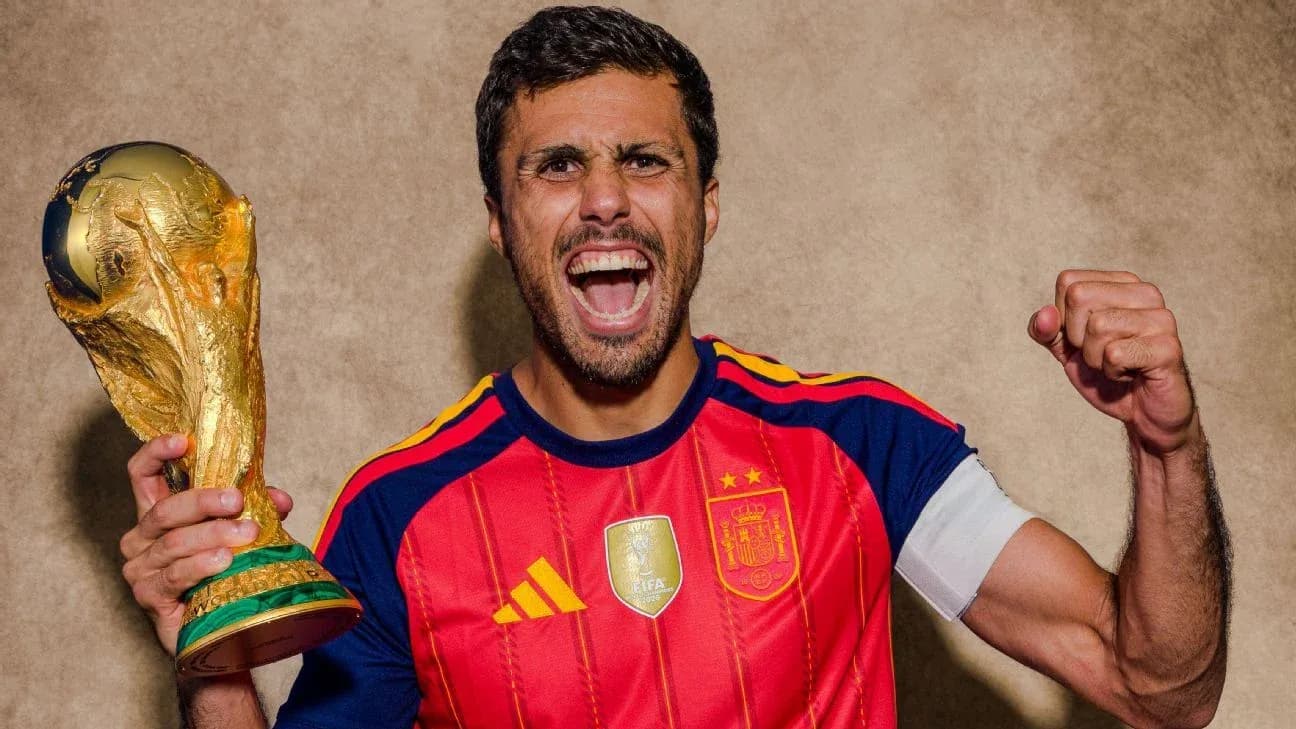
Rodri, the World Cup’s defining force and the metronome of Manchester City’s era of dominance, has reached the kind of crossroads that reshapes clubs, not just careers.
Fresh from dragging Spain past Lionel Messi’s Argentina to lift the FIFA World Cup – and adding the Golden Ball to the European Championship medal he won two years earlier – the 30-year-old now stands at the centre of a tug-of-war between Barcelona, Real Madrid and a Manchester City side that know exactly what they stand to lose.
Thirteen trophies in seven years at City. Four Premier League titles. The winning goal in the 2022-23 Champions League final. A Ballon d’Or the following year to seal his place among the great modern midfielders. This is not a player you casually put on the market.
Yet with one year left on his contract and a long-stated desire to return home, the balance of power is shifting.
Barcelona: the long-awaited Busquets heir
At Barcelona, Rodri has always been more than just another name on a shortlist. He has been the idea. The natural successor to Sergio Busquets, the player who could restore that sense of inevitability in the middle of the pitch.
They did not start the summer expecting to land him. The plan was different, more modest. Then Frenkie de Jong went down injured, the market shifted, and word filtered through that a deal for Rodri was not only possible, but realistic.
That changed everything.
Hansi Flick and Deco quickly moved from admirers to active pursuers. The key detail: Rodri, given a straight choice, would prioritise Barça over Madrid. For years, any return to LaLiga had been assumed to end in white. But the World Cup altered the landscape. He lifted the trophy alongside eight Barcelona players, thrived in a style of football Flick wants to replicate, and listened to the advice of the Catalan contingent who have passed through City over the past decade. The pull towards Camp Nou grew stronger.
Club sources now speak of a loose agreement on personal terms. The player is on board. The optimism is real.
The problem is City, and the price.
Barcelona have already seen an opening offer rejected. Negotiations continue over a package that could climb to €70 million, a significant outlay for a club still walking a financial tightrope. Yet inside the offices at the club, there is a growing belief they will get it done.
If they do, Flick’s midfield suddenly looks frightening. Rodri dropping in behind Pedri, Gavi, Marc Bernal, Fermín López and Dani Olmo gives Barça a structure that can travel in Europe, not just dominate LaLiga. It also raises an awkward question: what happens to De Jong when he returns?
For now, that can wait. Barcelona have decided Rodri is worth bending the project around, even at the expense of signing a centre-back. The Champions League, missing since 2015, is the obsession. They see Rodri as the piece that can push them back into that conversation.
Real Madrid: from cool distance to painful miss
Across the capital, Real Madrid’s relationship with the Rodri saga has been a story of hesitation, late conviction and, now, regret.
For months, the line from inside the Bernabéu was consistent: Rodri was not on the agenda this summer. On paper, that sounded strange. Here was the best holding midfielder in the world, Madrid-born, with a year left on his contract and capable of solving several structural issues in one move.
But president Florentino Pérez had doubts over his injury record, according to sources, and José Mourinho preferred a different profile for his midfield. Renewing Aurélien Tchouaméni’s contract signalled faith in what they already had. Rodri stayed off the shortlist.
Then came the World Cup.
Rodri did not just play; he dominated. Any remaining concerns over form or fitness evaporated. Inside the club, director general José Ángel Sánchez and chief scout Juni Calafat became open to the idea of bringing him in. Confidence grew. By late July, some voices at Madrid were quietly optimistic. Rodri wanted to go home, City were listening, and the feeling was that Madrid would, sooner or later, find a way.
They still had hurdles: no agreement with City on a fee, and the Premier League champions reluctant to move until they had a replacement lined up. Madrid, busy working on Yan Diomande and Vinícius Júnior’s renewal, stayed patient. They believed time was on their side.
Then Wednesday night arrived.
Suddenly, Barcelona were in. Not lurking, not testing the waters. In deep. Sources spoke of a 50-50 race between the two giants. Rodri, they said, was open to both.
Within 24 hours, the mood in Madrid darkened. The club believed they were out. Some around the player felt that Madrid’s early doubts, especially Mourinho’s, had never fully disappeared. Flick, by contrast, had picked up the phone and laid out his vision directly. That mattered.
Madrid considered one last push, but the sense internally was that they had lost the initiative. Rodri’s mind, they believed, was made up. His camp were unimpressed that a club of Madrid’s size had allowed the deal to drift.
Unless there is a dramatic late twist, Rodri will not wear white. Madrid must now decide whether to chase an alternative or trust their current core. There are reports Mourinho views Bernardo Silva as a candidate to operate centrally alongside Tchouaméni or Federico Valverde. Whoever they turn to, the chance to anchor the next great Madrid midfield with a Madrid-born World Cup-winning pivot looks gone.
Manchester City: calm surface, uneasy undercurrent
At Manchester City, the public message is straightforward. Enzo Maresca calls Rodri a key player. The club would like him to stay, sign a new contract and lead the transition into the post-Pep Guardiola era.
Behind the scenes, the picture is more nuanced.
City have known for years that Rodri wanted to return to Spain one day. It shaped decisions. It partly drove the ill-fated move for Kalvin Phillips in 2022, an attempt to soften the blow whenever that day came. It never worked, and Rodri remained irreplaceable.
The club also live by a clear principle: they do not keep unhappy players. Age, injury history and contract length now weigh into the equation. Rodri can walk away for nothing next summer. That risk concentrates minds.
If Barcelona or Real Madrid put more than €70 million on the table, City are expected to engage. They will not entertain a cut-price exit, but they are realistic. Letting a 30-year-old with one year left go for a substantial fee, rather than losing him for free, has a logic even for a club of City’s resources.
The difficulty lies in replacing him.
Tijjani Reijnders and Nico González both face uncertain futures. Elliot Anderson has arrived from Nottingham Forest, a useful addition but not a like-for-like successor. Talks with Lille over Morocco’s breakout World Cup star Ayyoub Bouaddi are ongoing, yet he would be a project, not an instant Rodri clone.
Maresca walks into a dressing room already braced for change after a decade under Guardiola. To lose the team’s on-field brain at the same time would turn a transition into a full-scale rebuild. City know that. They will not leave their new manager short in the most important area of the pitch.
For now, they wait. No acceptable bid has landed. Scouting checks intensify, contingency plans take shape, and the sense grows internally that Rodri will, eventually, go. The decision now rests not just on the player’s will, but on whether Barcelona – or a suddenly hesitant Madrid – are prepared to pay the price that unlocks the next phase of his career.
One way or another, the midfielder who has spent the past few years dictating games is about to dictate a summer.
Related News
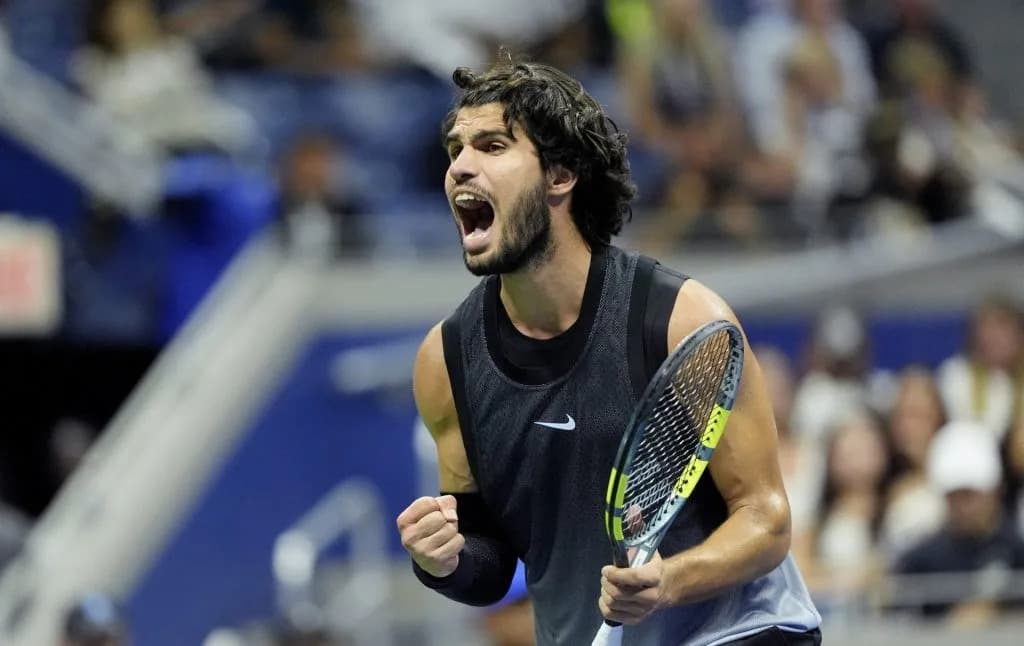
Carlos Alcaraz Urges an End to Matches Ending in the Early Hours
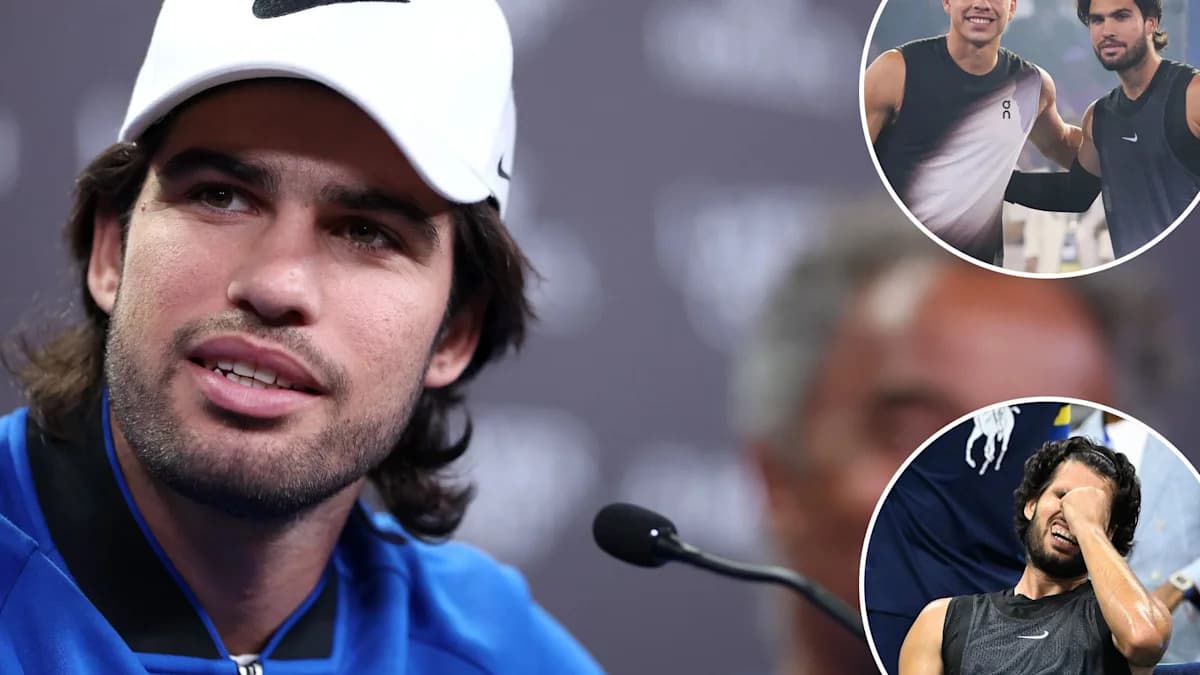
Carlos Alcaraz Criticizes Late US Open Finish After 3:30 a.m. Match
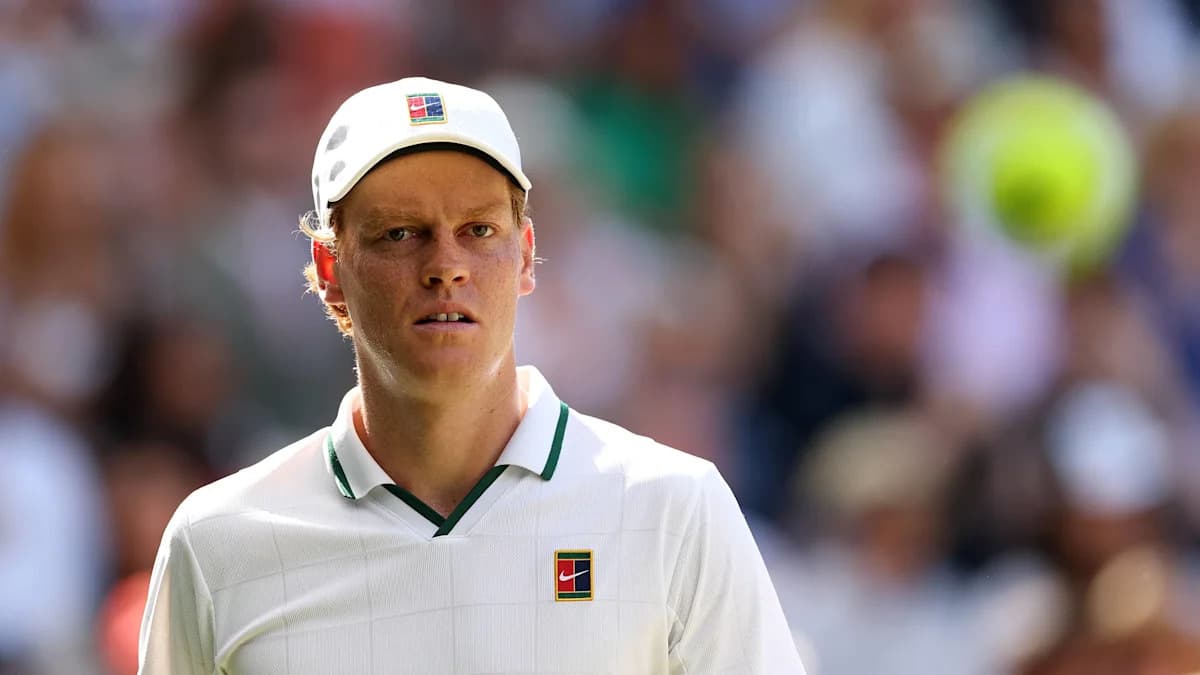
Jannik Sinner Set for ATP 500 Return in Beijing with Novak Djokovic Also Competing

Meet Iva Jovic: The American Tennis Prospect Making Waves
Flavio Cobolli Shares Insights on Practice Session with Jannik Sinner Ahead of Comeback
Till vs Romero: Fight Details, Undercard, and Viewing Info for This Weekend