
Rodri's Journey from Injury to World Cup Glory
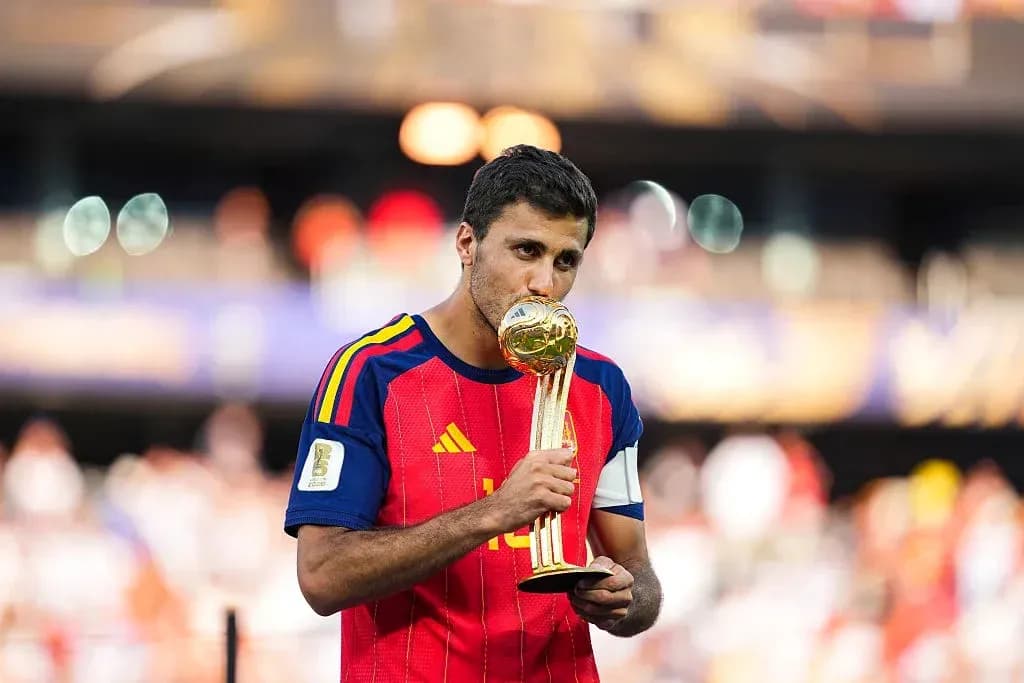
Rodri stands on the podium with a World Cup in his hands and the Golden Ball at his feet, but his mind is already somewhere else – back in a treatment room, back in September 2024, back when his knee buckled and the future looked a lot smaller than it does now.
On Sunday, he was the heartbeat of a Spain side that dragged itself past Argentina 1-0 in extra time to win the World Cup. The metronome in midfield. The calm in the storm. The tournament’s best player, officially and unmistakably.
Yet as the confetti fell, his first instinct was not to revel in the moment, but to frame it as a lesson.
“We're a bit shocked right now, even myself,” Rodri told Fox Sports after the final. “I cannot express with words. I think now we're like in a cloud but, for me, it's been a very tough time.”
From treatment table to the top of the world
The journey has been brutal. A serious knee injury last September cut him down at full stride and triggered a cycle of setbacks that would have broken less stubborn professionals. Each return met with another obstacle. Each small step forward shadowed by doubt.
Rodri chose to treat it as a test.
“I just want the new generations to see my example as an opportunity,” he said. “When you go down, you can rise again. This is my philosophy for my entire life.”
It is not a line polished for the cameras. It fits everything about the way he plays. No fuss, no drama, just a relentless insistence on doing the right thing again and again until the game bends to his will.
The World Cup did just that.
A leader before the whistle
This was not just a story of recovery. It was a story of responsibility.
In the dressing room before facing Argentina, Rodri did not hide behind the occasion or the opponent. He went straight at it.
“I said to the lads before the game, ‘we have to go for the game.’ We need to face them, we have to look to their eyes. We want this game.”
No talk of caution. No fear of the names on the other side. Spain, led by their midfield general, chose courage over caution and control over chaos. Over 120 minutes, that mentality told.
“And then life gives you the World Cup or not,” he added, “but we were brave and I was brave in that moment I was down, so I want to thank all the people that helped me.”
The medal around his neck carries the weight of those words. So does the Golden Ball. They are the visible rewards for months of invisible work.
Gratitude – and a rare admission
Rodri’s thanks stretched from the dressing room to the medical staff, from family to everyone who pushed him through the dark days of rehab. Yet he allowed himself one striking, brutally honest line.
“But I want to thank myself, to be honest, in those moments.”
It is not arrogance. It is recognition. Recognition of the lonely hours in the gym, the doubt, the choice to keep going when it would have been easier to accept a lesser version of himself.
For the younger players watching – the ones who will suffer their own injuries, their own setbacks, their own questions about whether it is worth it – his message is clear. You can go down. You can also rise again.
Rodri did, all the way to the summit of world football, trophy in one hand, Golden Ball in the other, and a story that now stretches far beyond 90 minutes and a final scoreline.
Related News
UFC 332 Preview: Natalia Silva vs. Wang Cong Fight Card, Odds, Start Time, and Details
Andy Roddick Responds to Andre Agassi’s Comments on Alexander Zverev at the Laver Cup
Knicks Prepare for Flexible Roles in Title Defense
Rui Hachimura Swaps Lakers Fans to Clippers in Surprising Jersey Exchange
Who Will Be the NBA's Next First-Time All-Stars? Top Picks and Long Shots for 2027
How Strong Is Your Team at Home? Check Out the 2026 Brasileirão Home Standings