
Rodrigo De Paul Defends Argentina After World Cup Heartbreak
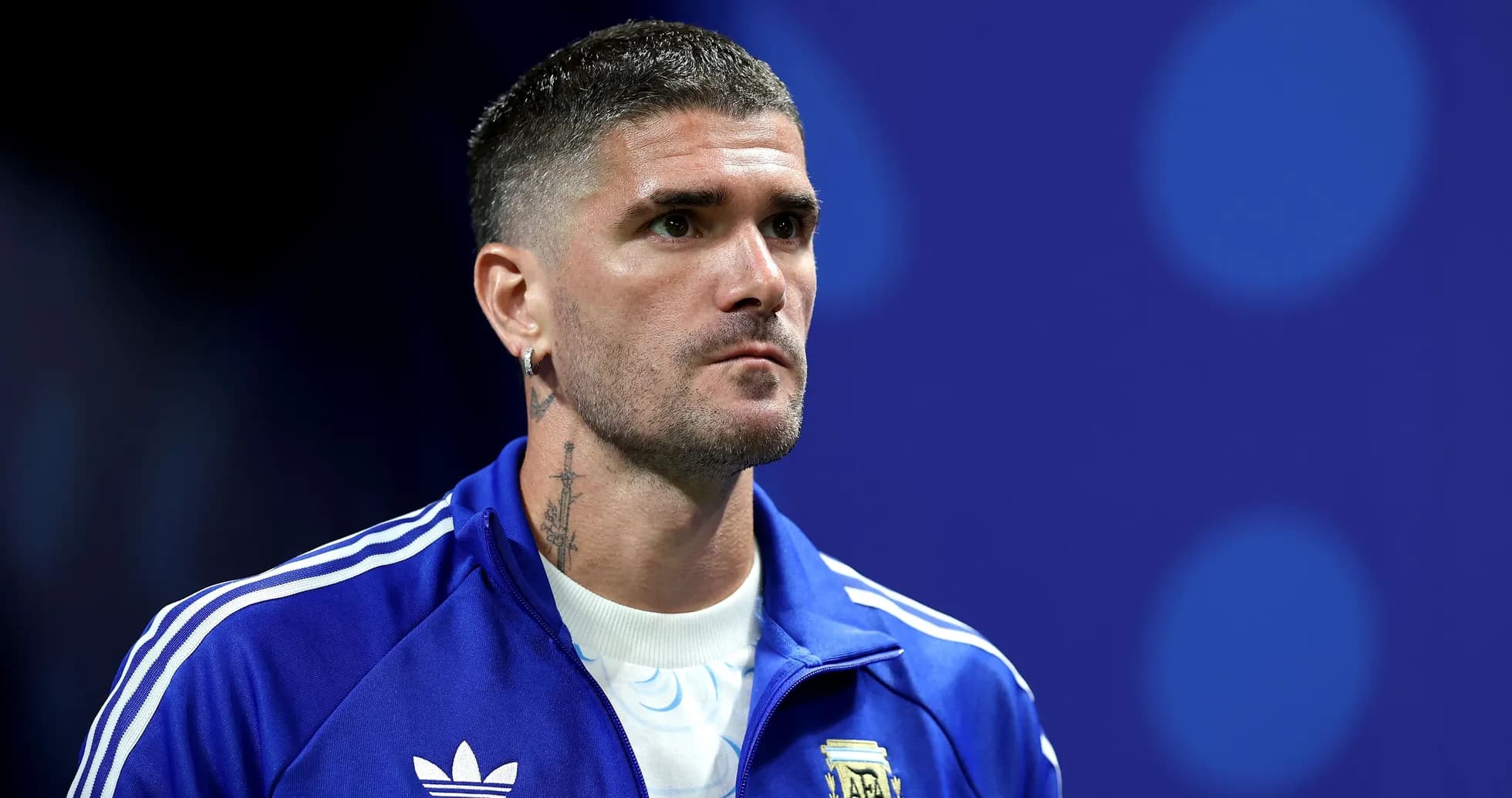
Rodrigo De Paul has never been one to hide. Not on the pitch, not in front of a microphone, and certainly not on social media.
Days after Argentina’s World Cup dream died in extra time against Spain at MetLife Stadium, the midfielder stepped forward to defend a team that fell agonisingly short of history, and one that has been heavily criticised for how it carried itself on the way there.
A final that cut deep
Argentina were chasing more than a trophy in New Jersey. Lionel Scaloni’s side were 120 minutes away from becoming the first team in 64 years to retain the World Cup, only to be edged 1-0 after extra time. They had battled back to reach the final, dragged themselves through difficult moments, and still walked away empty-handed.
The defeat hurt. The noise that followed clearly stung just as much.
Instead of a debate solely about tactics, fatigue and fine margins, the conversation quickly turned towards Argentina’s conduct. Their gamesmanship, their confrontations, their disciplinary record during the final became a lightning rod for criticism. The reigning champions, once the darlings of a global audience, suddenly found themselves portrayed as villains.
De Paul was not prepared to let that pass without a response.
“Our smiles bother them”
On Instagram, the Atlético Madrid midfielder poured out a message that was as emotional as it was defiant. He admitted the pain of missing out on another World Cup, but turned his focus firmly on those he believes were waiting for Argentina to fall.
“The biggest pain is that we couldn't bring the World Cup to our country again,” he wrote, “because if there is anyone who deserved to live that feeling again, it was you.”
The words were aimed squarely at Argentina’s supporters, the fanbase that has followed this group from Qatar’s glory to the heartbreak of MetLife. For De Paul, the connection between team and crowd has become something bigger than medals and photos with a trophy.
“As the hours go by,” he continued, “they're dropping us that the identification they have with this group goes beyond the trophy and that's something I want to grab on to be able to transition into this moment.”
There was no attempt to soften his view of the outside reaction. He accused rival fans of spending the tournament waiting for Argentina to slip, accusing them of spreading “baseless conspiracy theories” throughout the World Cup to ease their own frustration at not living what Argentina had lived.
“Today, I look at how many people were waiting for this fall,” he wrote, “spreading baseless conspiracy theories throughout the World Cup just to soothe their own pain at not being able to experience what we Argentines were living through – because our smiles bother them, because our ways get under their skin.”
A team under siege, and unrepentant
The message fits the personality of this Argentina side. Under Scaloni, they have embraced confrontation, fed off hostility, and turned criticism into fuel. De Paul has often stood at the centre of that identity – combative, emotional, fiercely protective of his captain and his colours.
So when the fallout from the final began to frame Argentina as the problem, it was almost inevitable that he would be the one to answer.
There was no apology in his words, no attempt to rewrite what the world has seen from this group over the last two World Cups. Instead, De Paul leaned into the idea that Argentina’s football and Argentina’s attitude are inseparable, that the same edge which irritates rivals is what binds the squad to its people.
The trophy has slipped from their grasp. The bond, he insists, has not.
For a team that came within a single match of a historic defence, the question now is simple: does this defeat mark the end of an era, or just sharpen the edge of a group that has built its identity on playing, and living, with everyone else against them?
Related News
UFC 332 Preview: Natalia Silva vs. Wang Cong Fight Card, Odds, Start Time, and Details
Andy Roddick Responds to Andre Agassi’s Comments on Alexander Zverev at the Laver Cup
Knicks Prepare for Flexible Roles in Title Defense
Rui Hachimura Swaps Lakers Fans to Clippers in Surprising Jersey Exchange

Who Will Be the NBA's Next First-Time All-Stars? Top Picks and Long Shots for 2027
How Strong Is Your Team at Home? Check Out the 2026 Brasileirão Home Standings