
Ruben Amorim Reflects on Manchester United Mistakes and Embraces AC Milan Challenge
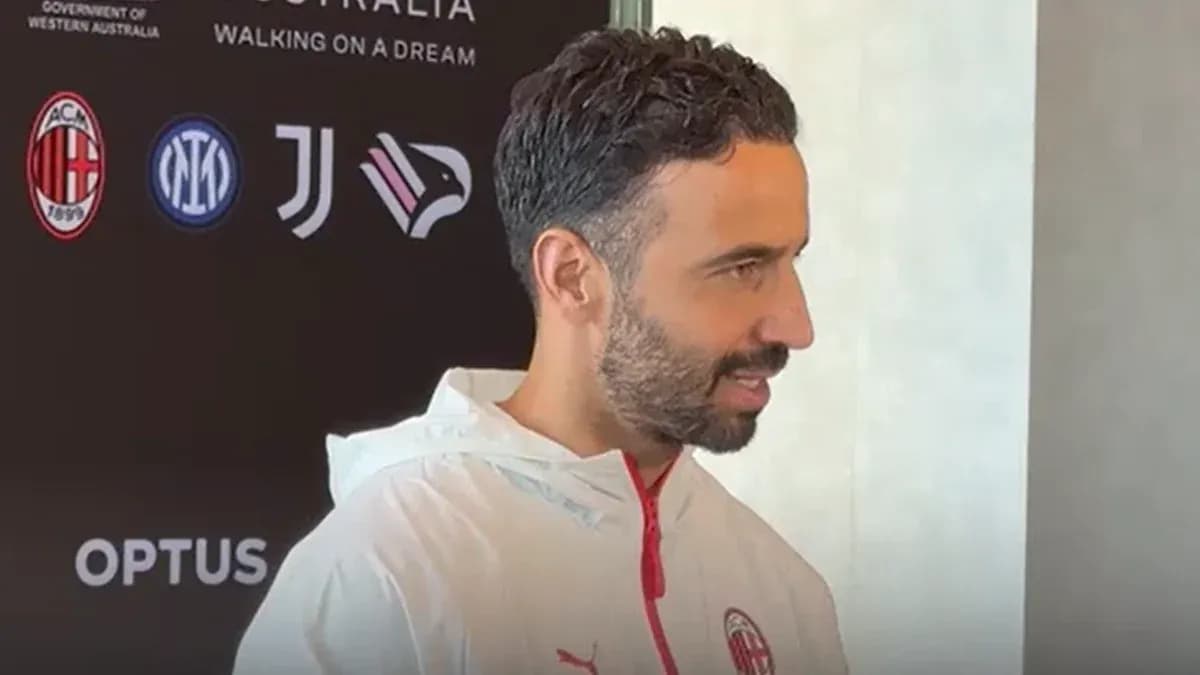
Ruben Amorim doesn’t duck the question. He leans into it.
“I made a lot of mistakes,” he admits, reflecting on a Manchester United spell that unravelled quickly and ended even quicker.
For a coach once hailed as one of Europe’s sharpest young minds, his Old Trafford stint was brutal in the numbers and unforgiving in the noise. The worst win ratio of any United manager in history – 32 per cent in the Premier League. The worst goals conceded per game, 1.53. The lowest clean sheet rate, 15 per cent. At a club that lives off its own mythology, those figures don’t just stain a CV, they echo.
By January, the tension with the United board had spilled into public view. After a match at Elland Road against Leeds, Amorim openly challenged the club’s decision-makers, urging others to “focus on their jobs.” It was the sound of a relationship already broken. The sacking followed, inevitable and expensive: United swallowed a £15.9million compensation bill for Amorim and his staff – Carlos Fernandes, Adelio Candido, Emanuel Ferro and Jorge Vital – a costly admission that the experiment had failed.
Yet failure didn’t leave him stranded for long.
From Old Trafford scars to a Milan dream
AC Milan moved quickly. They saw more than a damaged reputation; they saw a coach hardened by a bruising experience at one of the game’s most pressurised institutions. Last month, they made him their man. Now, under the Australian sun on pre-season tour, Amorim sounds like someone who has replayed every minute of that United chapter in his head.
“They appointed me because they felt I was the right guy for the way I want to play,” he told Sky Italia, speaking about Milan’s decision. The key, in his eyes, wasn’t just the trophies or the hype that once surrounded his work. It was the scars.
“They want to play the same way, but I think they signed me not just for my success, but also for my experience with a top club like Manchester United and the reflections I shared in our meetings with Mr Cardinale.”
Those meetings with Gerry Cardinale, Milan’s owner, clearly went beyond tactics and formations. Amorim framed his time in Manchester as a kind of education – harsh, public, but invaluable.
“They understood that I was prepared for this job, not just because of my past success, but also because of my failures. I think it helped a lot in those meetings.”
Owning the mistakes
Pressed on what went wrong at United, Amorim didn’t offer excuses, didn’t point at the boardroom, the recruitment, or the culture shock. He went straight to the uncomfortable truth.
“The first thing is that it doesn’t matter anymore. That is the feeling. There’s a history, then something happens, the context changes, and you focus on the next challenge.”
That sounds like a man closing a door. But he doesn’t pretend the past didn’t leave a mark.
“I learned a lot. It would be hard to point to one thing, but the important thing that I clearly know is that I made a lot of mistakes. When you do this kind of reflection, and you understand that it was not just their fault, but also my fault, I think you can be a better coach and a better man.”
At United, the narrative often turns quickly against a manager. Once the numbers dip and the mood sours, the club’s sheer size magnifies every misstep. Amorim’s admission that he “made a lot of mistakes” is rare in its simplicity. No hiding behind the usual clichés. No softening of the edges.
A club he already understands
Milan, by contrast, is a club he says he has always felt. This time, he arrives with the benefit of hindsight and a childhood allegiance.
“I was really honoured to be the manager of Man United at the time, but now I’m at Milan,” he said. “I spoke with some people at the club, like Massaro and Baresi and we exchanged messages. That is the most important thing. To understand what kind of club I am and what the history of the club is.”
This is where the tone shifts. At United, he was an outsider trying to impose an idea on a restless giant. At Milan, he casts himself as a believer coming home.
“For me, it was easier this time, because I’ve been a Milan fan since I was a boy. I understand the culture of the club and their history.”
There’s no nostalgia in his voice, though. No desire to live off past glories.
“But that is the past. Our goal is to be the new future. They chose me for a reason, and one of the reasons is that I like to look at teams that are struggling.”
Rebuild, not repair
That line is telling. Amorim isn’t promising a quick fix. He’s talking about reconstruction.
“I know it’s tough, but we want to rebuild something. We have many things in a good place. The staff is in a good place; the organisation is fantastic.”
For Milan, those words will matter. For United, they sting a little. A manager who left under a cloud now talks about structure, alignment and understanding – the very things he never quite found in Manchester.
United’s financial hit has already been softened. Once Milan appointed him, the compensation burden eased. The figure that once symbolised failure now simply becomes part of the club’s wider churn of managerial change.
Amorim, though, sounds settled, almost defiant in his new surroundings.
“If this is my final destination, I’ll be pleased because it’s a dream to coach this club.”
The numbers at Old Trafford will always follow him. Thirty-two per cent. One point five three. Fifteen per cent. But at Milan, he has something he never truly enjoyed in Manchester: a clean slate, and a club whose story he already knows by heart. The question now is whether the lessons of his United collapse can fuel the revival of a different fallen giant.
Related News

Wilfred Ndidi’s Marriage Reportedly Ends as He Enters New Relationship

Cristiano Ronaldo's Top 5 Most Valuable Cars in His Extraordinary Collection
Ben Whittaker’s Challenge to Prove Eddie Hearn’s Bold British Boxing Bet
Peter Handscomb on the Challenge of Facing Indian Bowlers
How to Watch UFC 332: Silva vs. Wang Live on CBS and Paramount+ This Saturday
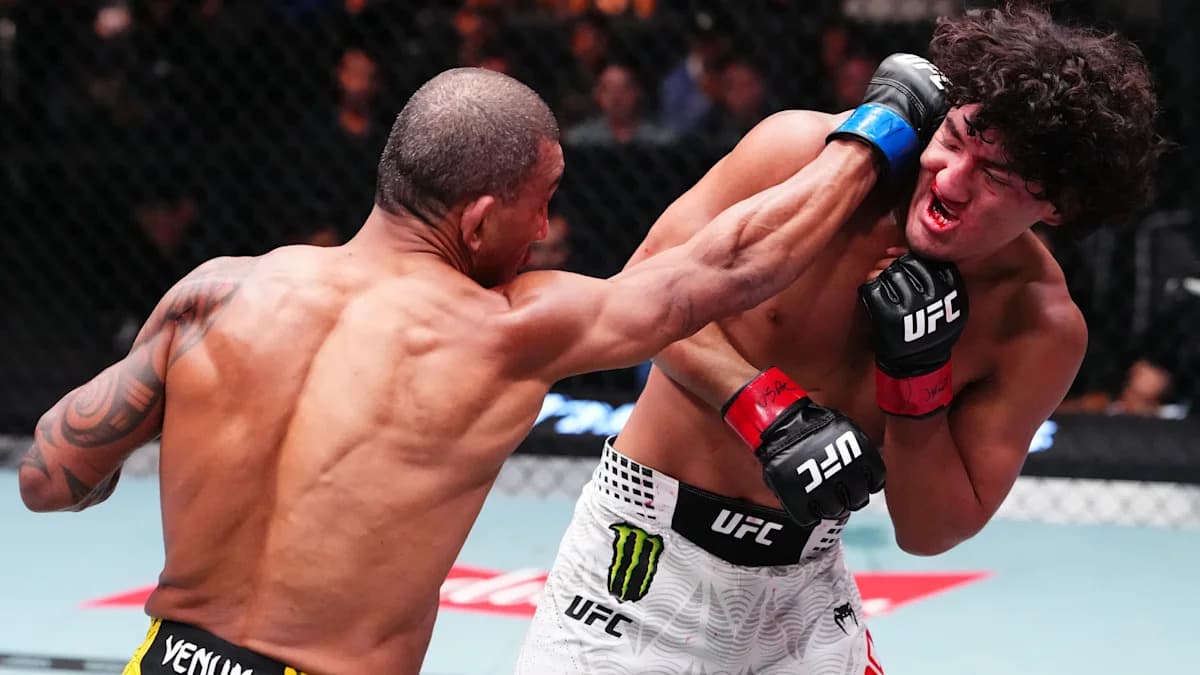
Raul Rosas Jr. Shares His Thoughts on the Shocking UFC Vegas 121 Finish Against Raoni Barcelos