
The Saudi Midfield Revolution: Al-Nassr, Al-Ahli, and Al-Ittihad Reshape Their Game
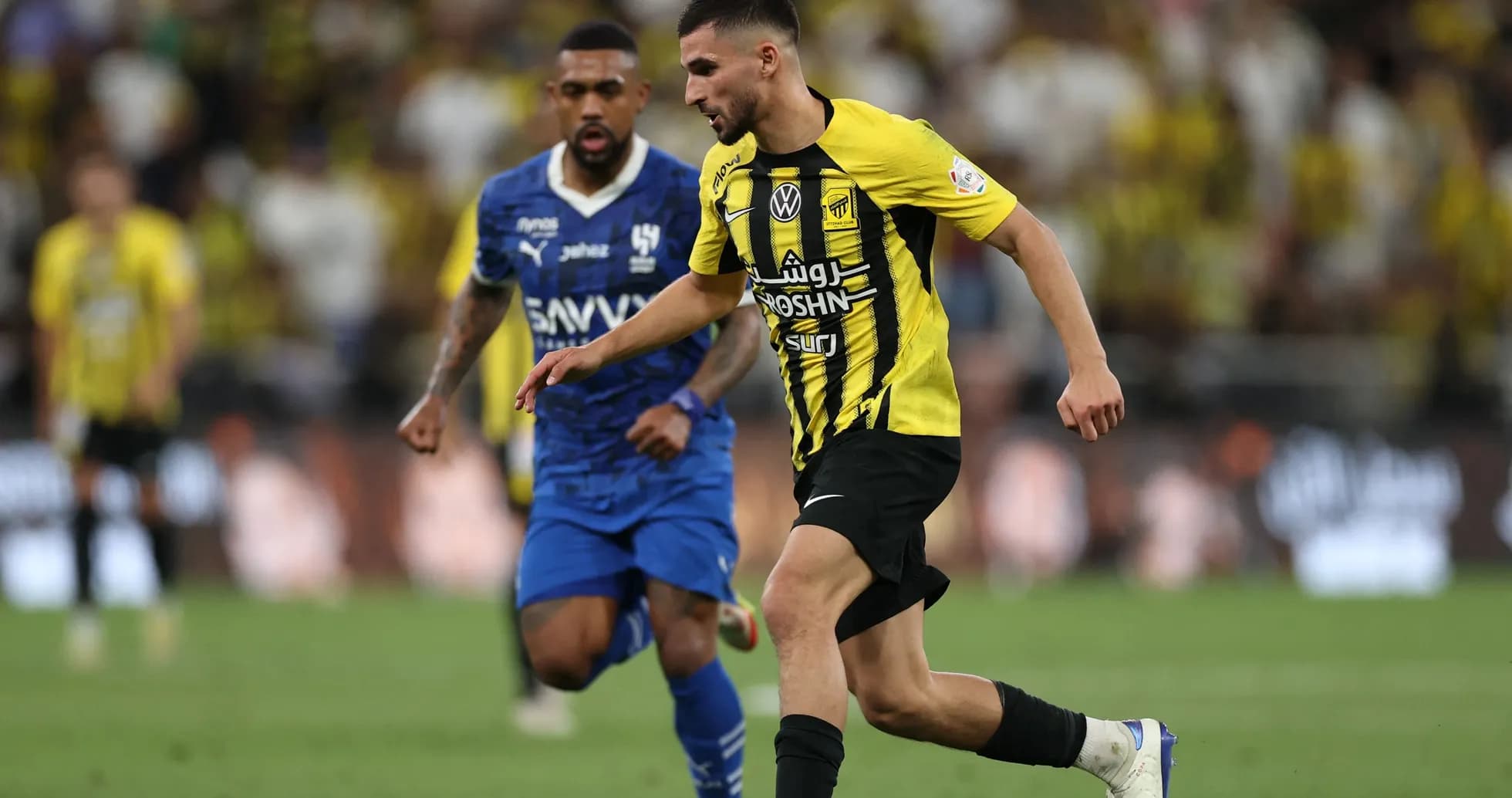
For the first time since 2023, Al-Nassr walk into a new season without Marcelo Brozovic at the heart of their game. For years, the Croatia international wasn’t just another name on the teamsheet; he was the hinge. The outlet. The man who turned defence into attack with a couple of touches and a passing angle only he could see.
Now he’s gone, and the rebuild starts in the most delicate part of the pitch.
Al-Nassr: Replacing a Metronome
Samu Costa is the one handed the keys. Not to mimic Brozovic, because that’s a losing battle, but to plug the gap and reshape the entire structure around him.
Al-Nassr are expected to roll out a new look in midfield: Abdullah Al-Khaibari, Angelo and the anticipated arrival of Costa forming a retooled trio. On paper, it’s a unit built to share the workload more evenly — one that can screen the defence and still offer enough craft to feed the forwards.
The question hangs over them, though. Can this group carry the weight of Brozovic’s experience and authority?
He wasn’t just a holding midfielder. He was the pivot in the build-up, the first station when the centre-backs needed a way out, the player who dictated tempo when games threatened to run away. Without that natural organiser, Al-Nassr’s early weeks will reveal whether they’ve replaced a role or just a name.
Al-Ahli: Tearing Up the Blueprint
Across the divide, Al-Ahli have chosen the same path of upheaval.
Franck Kessié has gone, leaving behind a spell in which he became one of the team’s defining figures since 2023. His presence brought steel, drive and a guarantee that big games would never pass him by. Losing that kind of personality forces a club to rethink more than just the starting XI.
Al-Ahli’s answer is not a like-for-like swap. It’s a redesign.
New signing Eduard Spertsyan is set to step into the midfield alongside Ivorian Valentin Atangana, with the club still active in the market for another central option. The idea is clear: not simply to plug the Kessié gap, but to redistribute responsibility across the middle of the pitch.
This is about identity as much as personnel. The new coaching staff want a midfield that reflects their ideas and the club’s ambitions both domestically and in continental competition. Different profiles, different roles, different rhythm. Next season, Al-Ahli’s midfield won’t just have a new face. It will have a new shape.
Al-Ittihad: Fabinho Out, Africa at the Core
The most dramatic break with the past, though, might be at Al-Ittihad.
The Fabinho era is over. The Brazilian, a central piece of their structure since 2023, has been moved on, and with him goes a chapter defined by his reading of the game and positional discipline.
In his place comes Dion Lopy from Almeria, a Senegalese midfielder whose arrival immediately changes the tone of the side.
With Lopy joining Malian Mohamed Doumbia and Algerian Houssem Aouar, Al-Ittihad’s midfield suddenly carries a distinctly African core. It’s a blend that promises bite and brains: physical strength and ball-winning from deeper positions, paired with Aouar’s technical polish and ability to operate between the lines.
The club hope that cocktail finally delivers the balance they’ve been chasing — a midfield that can protect, press and play.
Fabinho’s departure closes a familiar, methodical chapter. Lopy’s arrival signals something else entirely: a new tactical phase, more dynamic, more aggressive, and far less predictable.
Al-Hilal: Power in Standing Still
While their rivals rip up their plans and start again, Al-Hilal watch the storm from a position of rare calm.
No radical surgery. No marquee exit in the middle of the park. Just continuity.
Ruben Neves, Sergej Savic, Mohamed Kanno and Nasser Al-Dawsari remain the spine. It’s a group heavy with experience and, crucially, shared minutes. They know each other’s movements, strengths, and flaws. They’ve already lived through the teething problems that Al-Nassr, Al-Ahli and Al-Ittihad now face.
That stability is not a luxury. It’s a weapon.
While others spend the opening rounds experimenting with combinations, testing partnerships and adjusting to new roles, Al-Hilal can hit the ground running. Their midfield doesn’t need time to gel; it’s already hardened by the demands of past campaigns.
In a league where the biggest clubs have chosen upheaval in the most sensitive area of the pitch, Al-Hilal have bet on familiarity. The season will reveal whether the boldness of change or the quiet power of continuity decides the title race — but as the first ball is kicked, it’s clear who starts with the cleaner platform.
Related News
Carlos Alcaraz Urges an End to Matches Ending in the Early Hours
Carlos Alcaraz Criticizes Late US Open Finish After 3:30 a.m. Match
Jannik Sinner Set for ATP 500 Return in Beijing with Novak Djokovic Also Competing
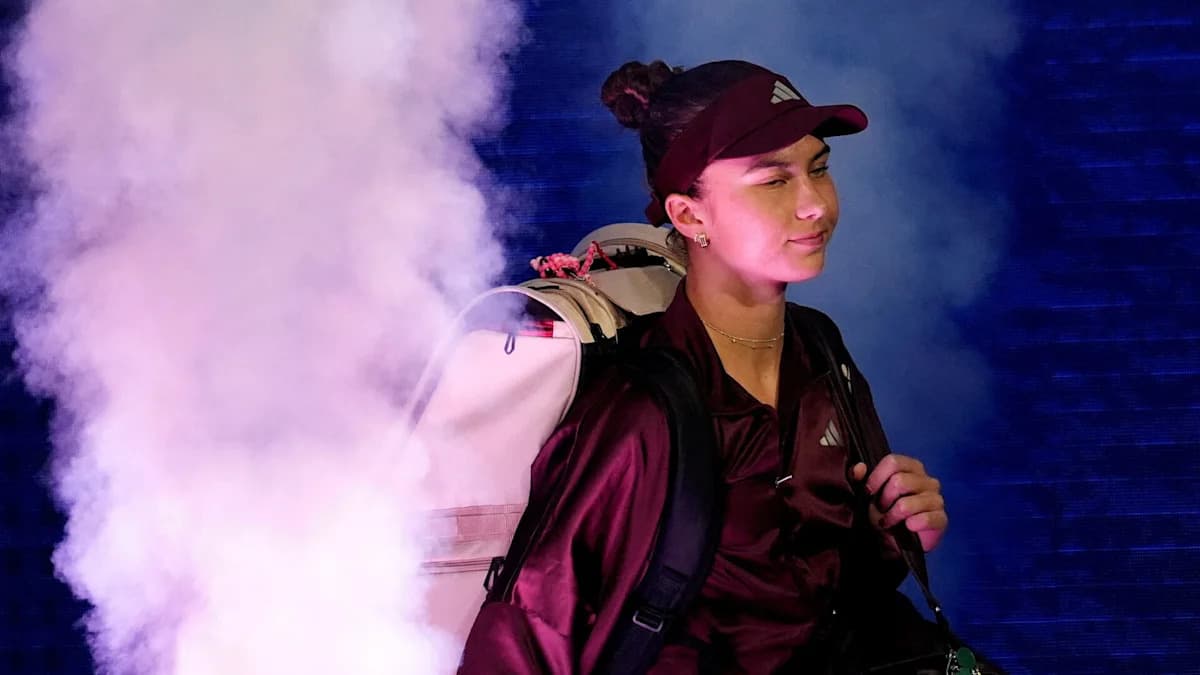
Meet Iva Jovic: The American Tennis Prospect Making Waves
Flavio Cobolli Shares Insights on Practice Session with Jannik Sinner Ahead of Comeback
Till vs Romero: Fight Details, Undercard, and Viewing Info for This Weekend