
South Africa's World Cup Tune-Up Ends in Goalless Draw with Nicaragua
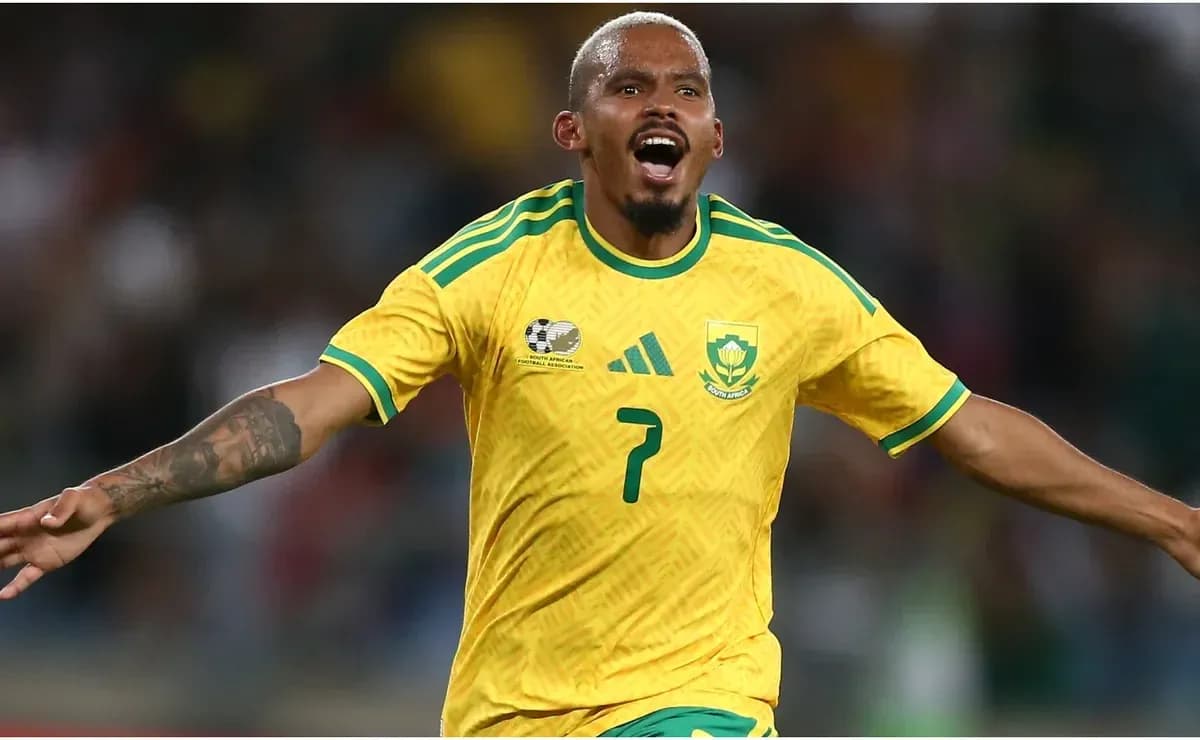
South Africa wanted rhythm. They left with questions.
On a cool afternoon at the Orlando Amstel Arena, Bafana Bafana dominated Nicaragua from first whistle to last, carved out chance after chance, and still walked away with a goalless draw that felt far worse than the 0-0 on the scoreboard.
For a team heading to the 2026 World Cup, this was supposed to be a confidence builder. Instead, it became a study in frustration.
One‑way traffic, no end product
From the opening minutes, the pattern was clear. Nicaragua dropped deep, retreated into their own half, and invited South Africa to pick the lock. Ricardo Goss and his back four were largely spectators as the ball lived in Nicaraguan territory.
Themba Zwane and his midfield tried to dictate the tempo, with South Africa’s early joy coming down the right. At 16 minutes, Kamogelo Sebelebele burst free on the flank and whipped in a cross that begged to be finished. Zwane could not turn it on target. A huge let‑off.
Soon after, Thabang Matuludi surged down that same side and delivered another dangerous ball. Nicaragua scrambled clear. The pattern was already set: South Africa probing, Nicaragua hanging on.
Nicaragua’s response? A couple of hopeful efforts from distance. Jonathan Moncada’s shot after a corner flew well wide, and Raheem Cole’s long‑range drive at 28 minutes sailed high into the stands. They were reminders that the visitors could at least cross halfway, but little more.
South Africa, though, kept wasting positions that should have hurt. A promising free kick in the 34th minute was launched “to the moon,” as Toremi failed to trouble Adonis Pineda. Sebelebele then spurned another big opening when Nicaragua’s back line was caught flat, only for last‑ditch defending to bail them out.
The pressure should have told. It didn’t.
The penalty that summed it all up
The turning point of the first half arrived on 42 minutes, and it only deepened the sense of unease.
Sebelebele went down in the box under minimal contact. The referee pointed to the spot. Nicaraguan players surrounded him in disbelief, protesting what looked like a clear dive. The decision stood. South Africa had the chance they had been begging for.
Lyle Foster stepped up. A stuttering, dubious run‑up. A clean strike – straight onto the post.
The ball cannoned off the woodwork and out. Justice, some would say, for a soft call. For South Africa, it was a glaring miss and the clearest moment yet of their lack of composure in front of goal.
The halftime whistle followed soon after, with bitter faces among the Bafana Bafana ranks. They had been faster, stronger, technically superior. They had nothing to show for it.
Appollis ignites, Pineda refuses to budge
Hugo Broos rang the changes at the break. Goss, Sebelebele, Moremi, Foster and Zwane made way. Sipho Chaine came in between the posts, with Oswin Appollis, Thapelo Maseko, Iqraam Rayners and Relebohile Mofokeng tasked with injecting fresh energy.
Appollis did exactly that. Within minutes of the restart, the Orlando Pirates winger tore into Nicaragua’s left side, his dribbling and pace immediately stretching the game. Twice in quick succession he helped fashion chances that forced Pineda into action. Twice the Nicaraguan goalkeeper stood firm.
The question hung in the air: how had Appollis not started?
South Africa’s waves kept coming. At 54 minutes, a tame-looking shot took a wicked deflection and almost looped over Pineda. Again, he adjusted, backpedalled and claimed it. Maseko then cut inside on 61 minutes and unleashed a sharp effort that Pineda pushed away. The keeper was becoming the story.
And when Appollis once more ripped through on the flank and delivered a dangerous cross at 57 minutes, Mofokeng arrived… and completely whiffed his attempt. Another chance gone.
Nicaragua’s wall holds
By the 67th minute, more South African changes followed. Bradley Cross, Jayden Adams and Nkosinathi Sibisi entered the fray as Broos continued to tinker, searching for any combination that might finally break Nicaragua’s resistance.
Instead, the game slipped into a gray zone. The tempo dropped. South Africa still had the ball, still camped in Nicaraguan territory, but their play became laboured. The earlier urgency dulled into a lethargic rhythm, with the Central Americans content to sit in, clear their lines and trust their goalkeeper.
Then came the defining sequence of the match.
With nine minutes left, Appollis again made inroads and South Africa forced chaos in the box. A header was deflected, the rebound fell kindly, and twice in a matter of seconds Adonis Pineda threw himself in front of goal-bound efforts. A huge double save, the kind of moment that cements a performance.
South Africa’s players stood with hands on heads. Nicaragua’s bench roared. The scoreboard stayed frozen at 0-0.
Even as the clock ticked into the 80s, the pattern didn’t change. Mofokeng tried from range but scuffed a weak shot. Another effort drifted low and wide at 84 minutes. Six minutes of added time brought more hopeful attacks, more bodies in the box, but no breakthrough.
The final whistle at 90+6 felt like a release. For Nicaragua, a famous result. For South Africa, a warning.
A historic night for Nicaragua, a worrying one for Bafana
Nicaragua will not be in the 2026 World Cup. They arrived in Johannesburg as underdogs, with limited attacking ambition and even fewer chances. Yet they walked away with a clean sheet, a heroic display from Pineda and a defensive performance that will be remembered back home.
They created little going forward, but they did not crack. For a nation that often gets swept aside on the international stage, this was a statement of resilience.
South Africa, by contrast, are heading to Group A of the World Cup, where Mexico, Czechia and South Korea await. On this evidence, their structure and athleticism are not the issue. They controlled territory, dominated physically, and consistently opened up space, especially from wide areas.
The problem was brutal and simple: no punch.
A missed penalty. A catalogue of squandered chances. Poor final balls. A lack of ruthlessness that turned a straightforward warm‑up into a worrying reminder of how quickly control can turn into regret if you do not finish.
The World Cup is days away. The margins there will be thinner, the opponents sharper, the stakes far higher.
If Bafana Bafana cannot find a cutting edge, how long can they survive on dominance without goals?
Related News

Wilfred Ndidi’s Marriage Reportedly Ends as He Enters New Relationship

Cristiano Ronaldo's Top 5 Most Valuable Cars in His Extraordinary Collection
Ben Whittaker’s Challenge to Prove Eddie Hearn’s Bold British Boxing Bet
Peter Handscomb on the Challenge of Facing Indian Bowlers
How to Watch UFC 332: Silva vs. Wang Live on CBS and Paramount+ This Saturday
Raul Rosas Jr. Shares His Thoughts on the Shocking UFC Vegas 121 Finish Against Raoni Barcelos