
Spokane Velocity Defeats Boise: A Clash of Footballing Styles
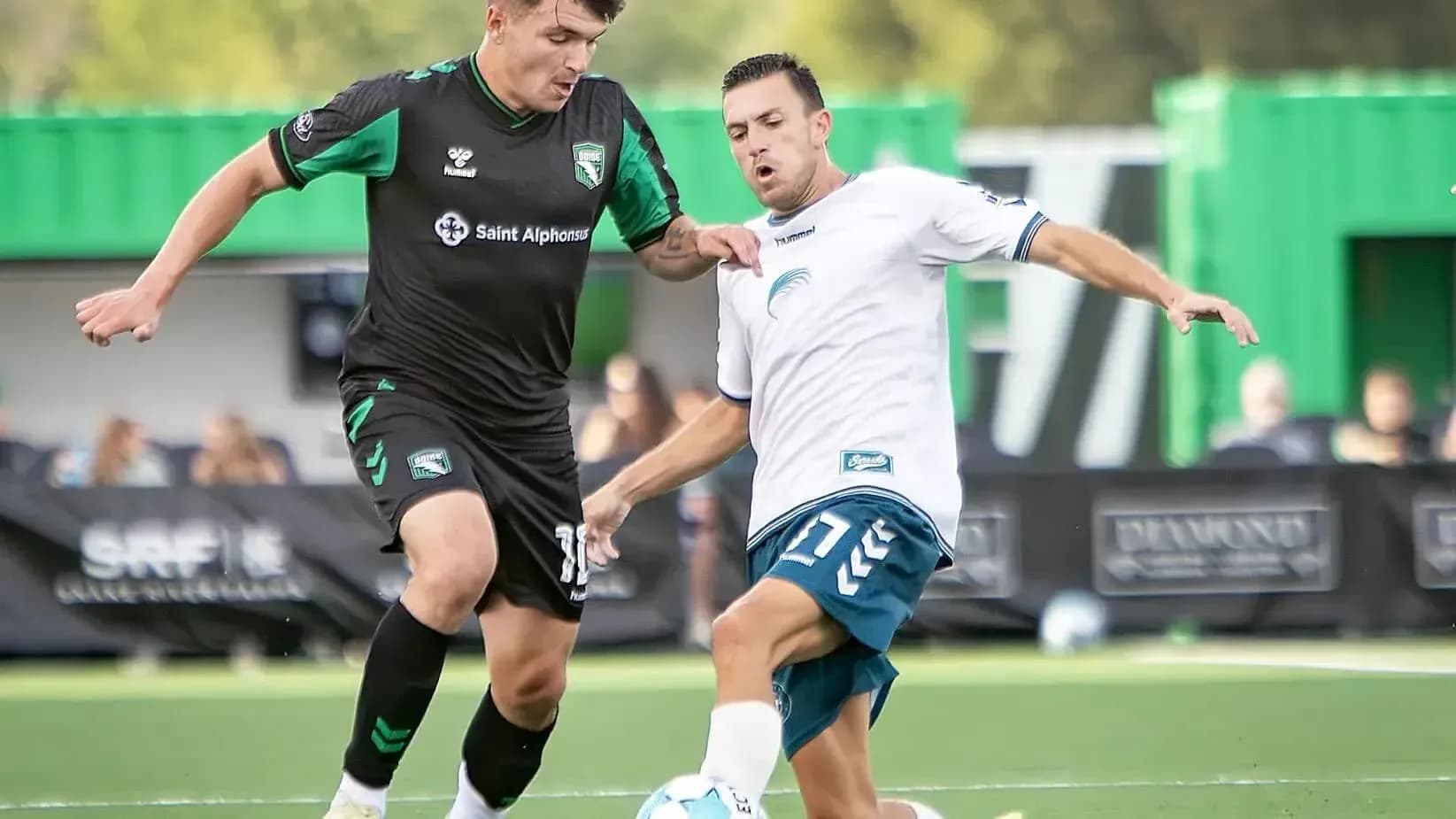
Under the lights of One Spokane Stadium, Spokane Velocity’s 2–1 win over Boise felt less like a routine group-stage fixture and more like a statement about identity. In the tight corridors of the USL League One Cup, where Group 1 margins are already razor-thin, this was a night where contrasting footballing DNA collided: Spokane’s controlled, home‑centric edge against Boise’s open, high‑event chaos.
Heading into this game, the table framed the stakes neatly. Spokane sat 2nd in Group 1 with 6 points from 3 matches, their goal difference a curious -2 despite two wins (3 goals for, 5 against overall). Boise, 3rd with 5 points and a +2 goal difference, had been the group’s entertainers: 10 goals for and 8 against in total, a team that rarely plays in the shadows of a quiet scoreline. One Spokane Stadium, then, became the stage for a test of which profile would bend first: Spokane’s growing home fortress versus Boise’s willingness to trade punches.
Spokane’s season so far has been built on home reliability. At home they had played 2, won 2, scoring 3 and conceding just 1. Their home attacking average sat at 1.5 goals per game, while they allowed only 0.5. On their travels they had been humbled 4–0, failing to score and conceding an away average of 4.0, but that only sharpened their focus on making Spokane a place where visitors are made to suffer.
Spokane's Starting XI
The XI that walked out under Leigh Veidman’s direction reflected that mentality: a spine of resilience and repetition. In goal, S. Lewis, the last line behind a defensive unit anchored by S. Fitch and G. Margvelashvili, with C. Miller and D. Waldeck offering width and cover. Ahead of them, the midfield blend of C. Fernandez and A. Lewis provided structure, while the creative and attacking trident of L. Gil, J. Gallardo and S. John-Brown worked to supply the focal point, N. Brett.
This is not a side that overwhelms you with volume of goals. Overall they had scored 3 in 3, an average of 1.0 per match, but the pattern is deliberate: stay in games, manage tempo, and trust that their home edge will tilt the balance. The discipline data underlines a side that lives on the edge of intensity. Spokane’s yellow cards cluster between 61–75 minutes, where 42.86% of their cautions arrive, with additional flashes in 16–30, 31–45 and 46–60. There is even a red card on the ledger between 46–60, a reminder that their aggression can spill over. It paints a picture of a team that tightens the screw as the second half begins, sometimes too much.
Boise's Approach
Opposite them, Boise brought a different kind of energy. Their season form line of WWL spoke of a team that can catch fire quickly, with the league’s raw numbers backing that up: 7 goals in 3 matches overall, averaging 2.3 per game. At home they had exploded for 4.0 goals per match; away, they still produced 1.5 on their travels. Yet the same openness that made them dangerous also left them exposed: 6 goals conceded in total, an average of 2.0, with 3.0 shipped at home and 1.5 away. Boise do not do control; they do exchange.
The starting side reflected that forward tilt. J. Mazzola in goal, behind a back line of J. Ricketts, J. Yaro, J. Crull and N. Moon, tasked with holding a shape that has often been stretched. In midfield, the engine of P. Mayaka and M. Ndiaye, with D. Kostyshyn linking into a front band where B. Bodily, T. Amang and T. Moshobane offered running, chaos and direct threat. This is a group built to run in waves rather than sit in a block.
The disciplinary profile hints at Boise’s rhythm. Their yellow cards are spread across the match: 16.67% in the opening 0–15 minutes, 33.33% between 31–45, and then a steady 16.67% in each of the 46–60, 61–75 and 76–90 windows. That distribution suggests a side that defends in bursts, often reacting late in phases rather than controlling them from the outset.
Match Dynamics
The “Hunter vs Shield” dynamic in this fixture was nuanced. Boise’s attack, averaging 2.3 goals overall, came up against a Spokane defence that, at home, had allowed just 0.5 goals per match. The numbers said Boise would create, but Spokane would not break easily on their own turf. Conversely, Spokane’s modest overall attacking output of 1.0 per game had a favourable matchup against a Boise unit conceding 2.0 overall and yet to keep a clean sheet anywhere.
The “Engine Room” battle was always going to be decisive. Spokane’s midfield, led by the organisational presence of C. Fernandez and the connective play of A. Lewis and L. Gil, had to find a way to slow down Mayaka’s surges and Ndiaye’s physicality. If Spokane could turn Boise’s midfield into a chasing unit rather than a driving one, the game would tilt in their favour. The 2–1 full-time scoreline suggests they largely succeeded in bending the tempo to their liking, forcing Boise to attack from less controlled platforms.
Following this result, the narrative of both squads sharpens. Spokane’s group record of 2 wins and 1 loss, with 3 goals for and 5 against, still carries that odd negative goal difference, but the home data remains pristine: 2 wins from 2, 3 goals scored, 1 conceded. One Spokane Stadium is fast becoming their tactical sanctuary, a place where their defensive structure and second‑half intensity define the terms of engagement.
Boise, meanwhile, remain a high-variance proposition. Across 3 matches they have scored 10 and conceded 8 in the standings snapshot, and 7 for and 6 against in the season statistics block, but the throughline is the same: they will always give you a chance. They have yet to keep a clean sheet, and their defensive averages of 3.0 goals conceded at home and 1.5 away underline a side that cannot close the door, even when they are on top.
From a statistical prognosis standpoint, if we overlay the profiles without explicit xG data, the shape of future meetings between these sides is clear. Spokane’s home solidity and willingness to grind, combined with Boise’s porous back line and inability to shut games down, tilt the balance toward low‑to‑mid scoring Spokane wins in this venue, often decided in those tense, card-heavy second‑half spells. Boise will always threaten to blow the game open, but unless their back four, led by Yaro and Crull, can fundamentally alter the defensive trend, the Shield at One Spokane Stadium will continue to hold firm against the Hunter’s charge.
Related News
Louisville City Edges Detroit City in Penalty Shootout
Lexington vs Indy Eleven: USL League One Cup Showdown
Detroit City vs Louisville City: USL League One Cup Showdown
Lexington vs Indy Eleven: USL League One Cup Group Stage Preview
Detroit City vs Louisville City Match Preview

Lexington vs Indy Eleven: USL League One Cup Clash Insights