
Tottenham's Ruthless Review: A Season on the Brink
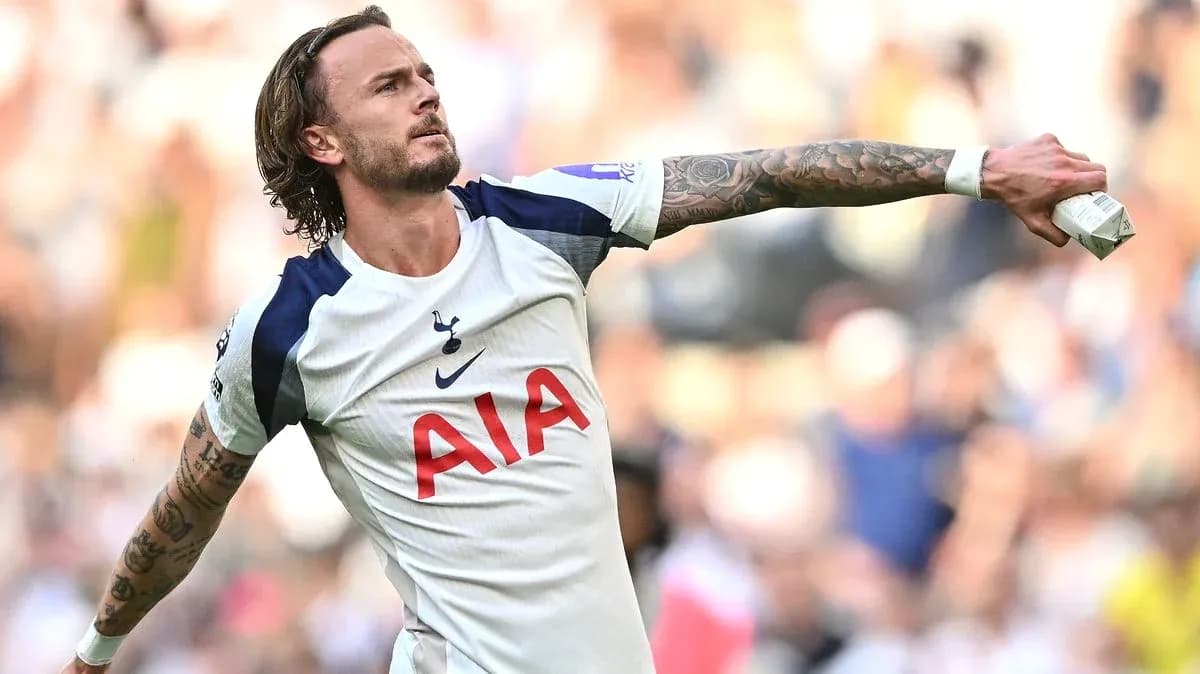
Tottenham did not just flirt with disaster this season. They stared it in the face on the final day, survived by two points, and walked off knowing something fundamental had to change.
What has followed is not a tweak or a tidy-up. It is a full-scale internal reckoning.
From the psychology of “Spursy” collapses to the science of a retractable pitch, from the medical room to the transfer market, Spurs are dissecting a wretched Premier League campaign piece by piece — and no department is safe.
A season that shook the club
Relegation. The word was never supposed to belong in the same sentence as Tottenham Hotspur, yet it hovered over north London until the final whistle of the season.
Roberto De Zerbi’s late surge — 11 points from the last six games — dragged Spurs away from the trapdoor. It also underlined how close they had come to catastrophe after a chaotic year featuring four different head coaches and a squad ravaged by injuries.
Just two points separated them from the Championship. For a club of their resources, their stadium, their ambitions, that margin is an embarrassment.
Inside the boardroom, it has triggered something approaching a root-and-branch review.
Sporting director Johan Lange, the man meant to bring stability, now finds his own future in serious doubt. After a disastrous 12 months, the Dane could be eased into a supporting or handover role if, as expected, a new world-class sporting director is brought in above him.
The message is clear: nobody is protected by their job title anymore.
“Astronomical” injuries and a broken system
The numbers behind Tottenham’s season are brutal. They suffered more injuries than any other Premier League club, many of them serious, many of them long term.
James Maddison, only recently back after a partially torn anterior cruciate ligament finally gave way last summer, did not sugar-coat it.
“Our situation with the injuries has been worse than any other club,” he said after the win over Everton. “People try and say ‘Oh, but we’ve got this and that’, but ours is astronomical, and we need to look at why that is.”
That question now sits at the heart of the club’s internal investigation.
New performance director Dan Lewindon, hired from the City Football Group and in the building since February, has taken charge of the review. He arrived, served his notice, walked through the doors at Hotspur Way the day before Thomas Frank left the club, and found a performance and medical structure creaking under the strain of years of churn.
For two decades, Geoff Scott had been the steady hand as head of medicine and sports science. His departure in 2024 ended that long period of continuity, and what followed was turbulence. Adam Brett, the director of performance services, and Nick Davies, head of sports science, both left after just a year in post.
Nick Stubbings came in last summer as men’s team medical lead after 11 years at Brentford, following the familiar trail of former Bees to north London. But the scale of the injury crisis meant even fresh faces could not paper over deep structural cracks.
Lewindon, with his background across elite football, tennis and rugby, has been brought in not just to manage the situation, but to tear up the model and rebuild it.
Spurs believe he is the man who can finally end the grim pattern of double figures of absentees stretching across three seasons.
De Zerbi, the pragmatist and the psychologist
On the pitch, De Zerbi’s impact was obvious in the run-in. Off it, his work has impressed those in the medical and performance teams.
Under pressure to deliver results, he refused to gamble recklessly with players’ bodies. Staff describe a head coach who is clear, consistent and open to feedback, insisting on as much information as possible before deciding when to bring someone back.
He has made it plain inside the club: part of his job is to be a psychologist. The Italian has held frequent one-to-one meetings, rebuilt shattered confidence and leaned on video footage of players’ best moments — at Spurs and previous clubs — to remind them who they are when everything is going wrong.
That message dovetails neatly with Lewindon’s push to address the mental side of Tottenham’s fragility. At a club routinely mocked as “Spursy” for their tendency to self-destruct, the performance chief has been a driving force behind the recruitment of a new lead psychologist, working full-time with players and staff.
The aim is not soft. It is hard-edged: to build a group that can withstand the pressure of top-level football instead of folding under it.
The pitch under the microscope
One of the most striking elements of Tottenham’s review sits beneath the south stand of their gleaming stadium.
The retractable pitch, which slides away to allow NFL games and concerts, is under investigation. Spurs have suffered five ACL injuries in recent years and accept that is too many. Real Madrid, who also use a retractable surface, have faced a similar spike.
Coincidence? Possibly. But Spurs are not leaving it at that.
Early independent tests on matchdays have so far shown no measurable difference in bounce or spring between the Tottenham Hotspur Stadium surface and the training pitches at Hotspur Way. That, though, is only the first step. More detailed, long-term analysis is underway to see whether there is anything more subtle at play.
Some injuries are simply cruel. Xavi Simons and Wilson Odobert’s ACL problems fall into that category. The handling of Xavi’s injury at Molineux has already been reviewed, with the club backing the physios’ decisions. The player wanted to continue but could not, and there is confidence that no extra damage was done.
Even so, the club wants to know everything. About the turf. About the load. About the patterns that keep leading them back to the treatment room.
A new model: smaller pods, bigger responsibility
The review is not just about surfaces and scans. It is about people and how they work.
Lewindon is pushing for a fundamental shift in how Spurs manage injuries and recovery. The club is moving towards a pod-based system: small groups of four to six players with a dedicated physio and sports scientist focusing on that cluster alone.
Think of it as shrinking the classroom so the teacher really knows every student.
The idea is simple but powerful. Staff will understand each player’s body, position, personality and training response in far greater detail. That should lead to sharper decisions on workload, better preparation and fewer breakdowns.
It also aligns with De Zerbi’s insistence that Tottenham must treat players as individuals, not just shirt numbers. He wants a club that understands its squad as human beings — their family lives, their pressure points, their roles on the pitch — if they are to compete at the top end.
Trust is a crucial part of that. Some Spurs players have, at times, leaned more on medics from former clubs or their national teams. That is not unique to Tottenham; it is a reality of modern football, where players surround themselves with personal performance staff.
Spurs are now trying to pull those threads together, building stronger relationships between club, personal and international staff. The goal is one unified plan for each player, agreed by everyone, instead of competing voices and conflicting advice.
Power lines and fault lines behind the scenes
The review will not end with a few new job titles and a couple of extra meetings.
Once Lewindon completes his work, there is an expectation of changes behind the scenes. New personalities. Fresh ideas. Tighter integration between departments. A more coherent performance identity that runs from the training ground to the stadium.
Recruitment will not escape scrutiny either. Tottenham accept they must consider robustness more seriously when signing players, especially for a head coach whose football demands energy and intensity.
They also recognise their own role in creating the perfect storm. The constant churn of managers has not just unsettled the dressing room; it has hit the players physically. Each new coach brought different training methods, different demands, often a harder push in the early weeks. Players, desperate to impress the latest man in charge, pushed themselves to the edge and beyond.
The cost has been paid in muscle tears, ligament ruptures and months on the sidelines.
Non-executive chairman Peter Charrington has already signalled publicly that the club will “modernise our football operation, with a significant focus on raising standards across medical and performance”. Inside the walls, that phrase translates to one thing: this cannot happen again.
No quick fixes, no more excuses
Tottenham know they cannot endure another season like the one just gone. Not financially. Not reputationally. Not emotionally.
There is realism about the timeline. Nobody at Hotspur Way expects instant miracles. Injury numbers will not suddenly collapse overnight because a new structure has been drawn on a whiteboard.
But the club believes that Lewindon’s course correction — allied to De Zerbi’s clarity, authority and human touch — can, over time, drag Spurs out of this spiral of chaos and into something resembling a modern, elite operation.
The margins that separated them from the Championship were terrifyingly small. The question now is whether this ruthless internal audit, from the grass under their boots to the minds in their heads, is the moment Tottenham finally stop living on the edge — or just another chapter in a story they have been trying to rewrite for years.
Related News

Wilfred Ndidi’s Marriage Reportedly Ends as He Enters New Relationship

Cristiano Ronaldo's Top 5 Most Valuable Cars in His Extraordinary Collection
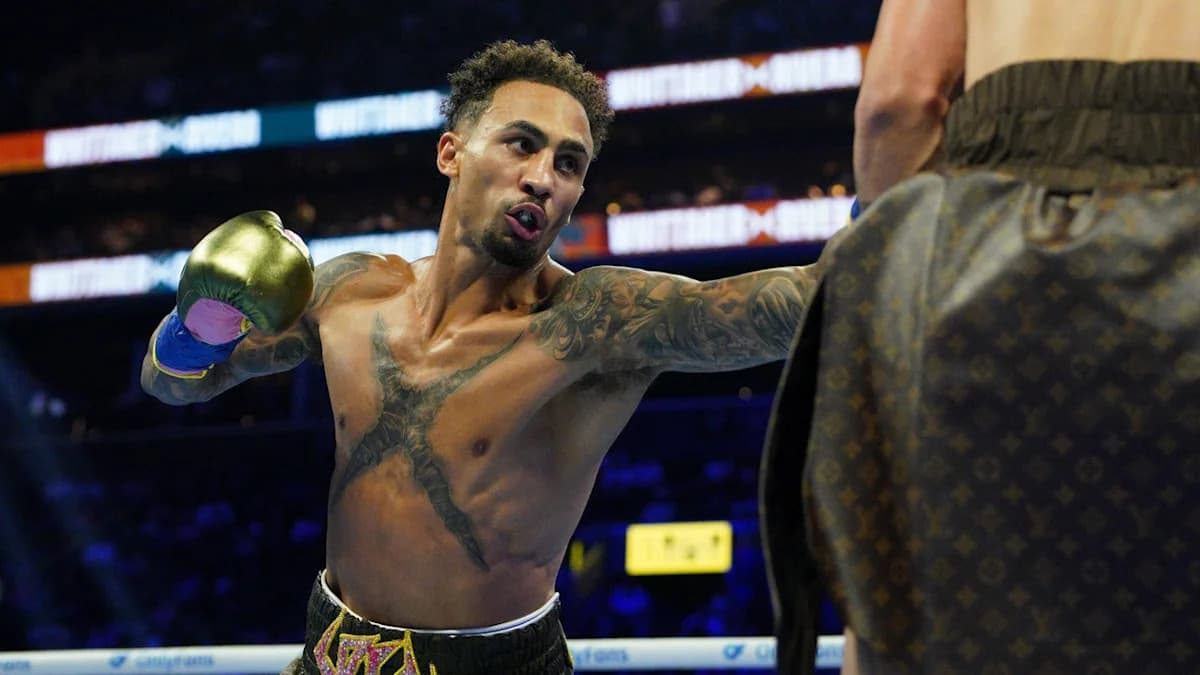
Ben Whittaker’s Challenge to Prove Eddie Hearn’s Bold British Boxing Bet
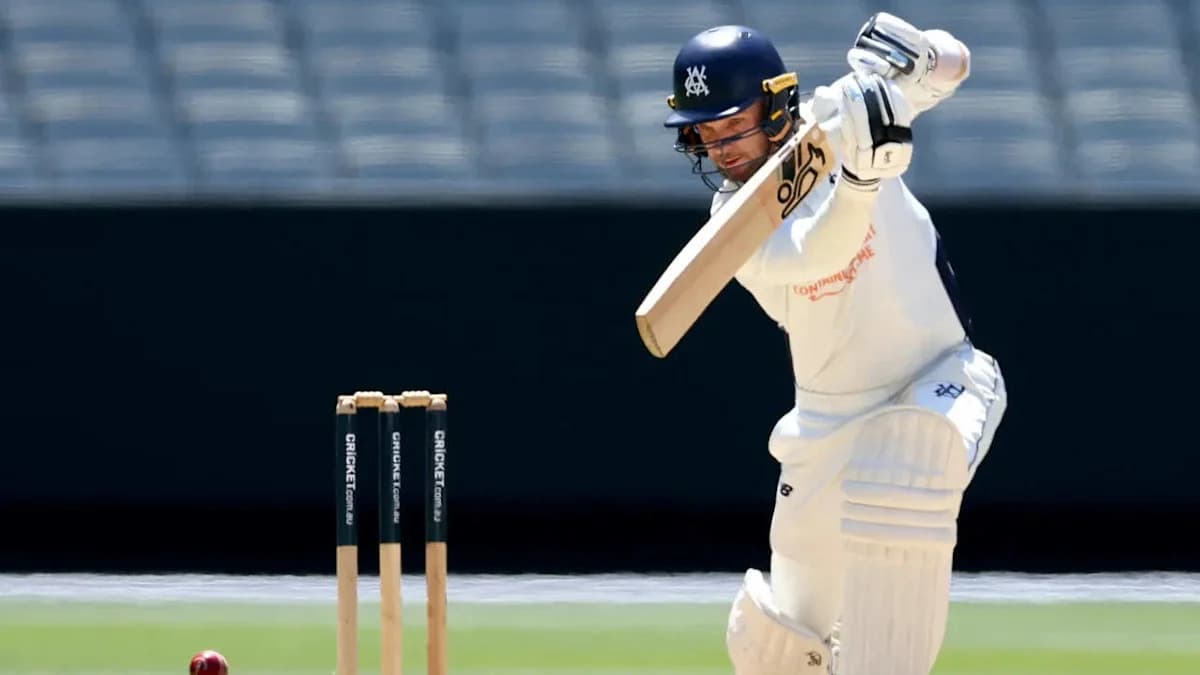
Peter Handscomb on the Challenge of Facing Indian Bowlers

How to Watch UFC 332: Silva vs. Wang Live on CBS and Paramount+ This Saturday
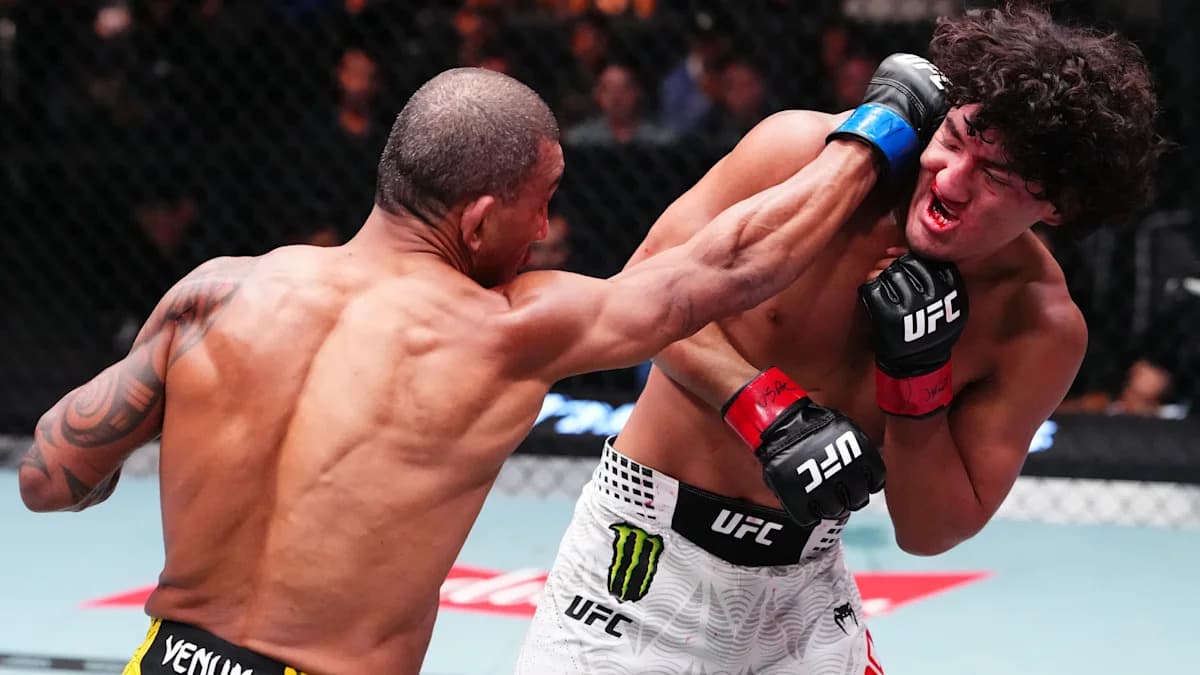
Raul Rosas Jr. Shares His Thoughts on the Shocking UFC Vegas 121 Finish Against Raoni Barcelos