
UEFA Stands Firm Against FIFA Boycott Amid Infantino Controversy
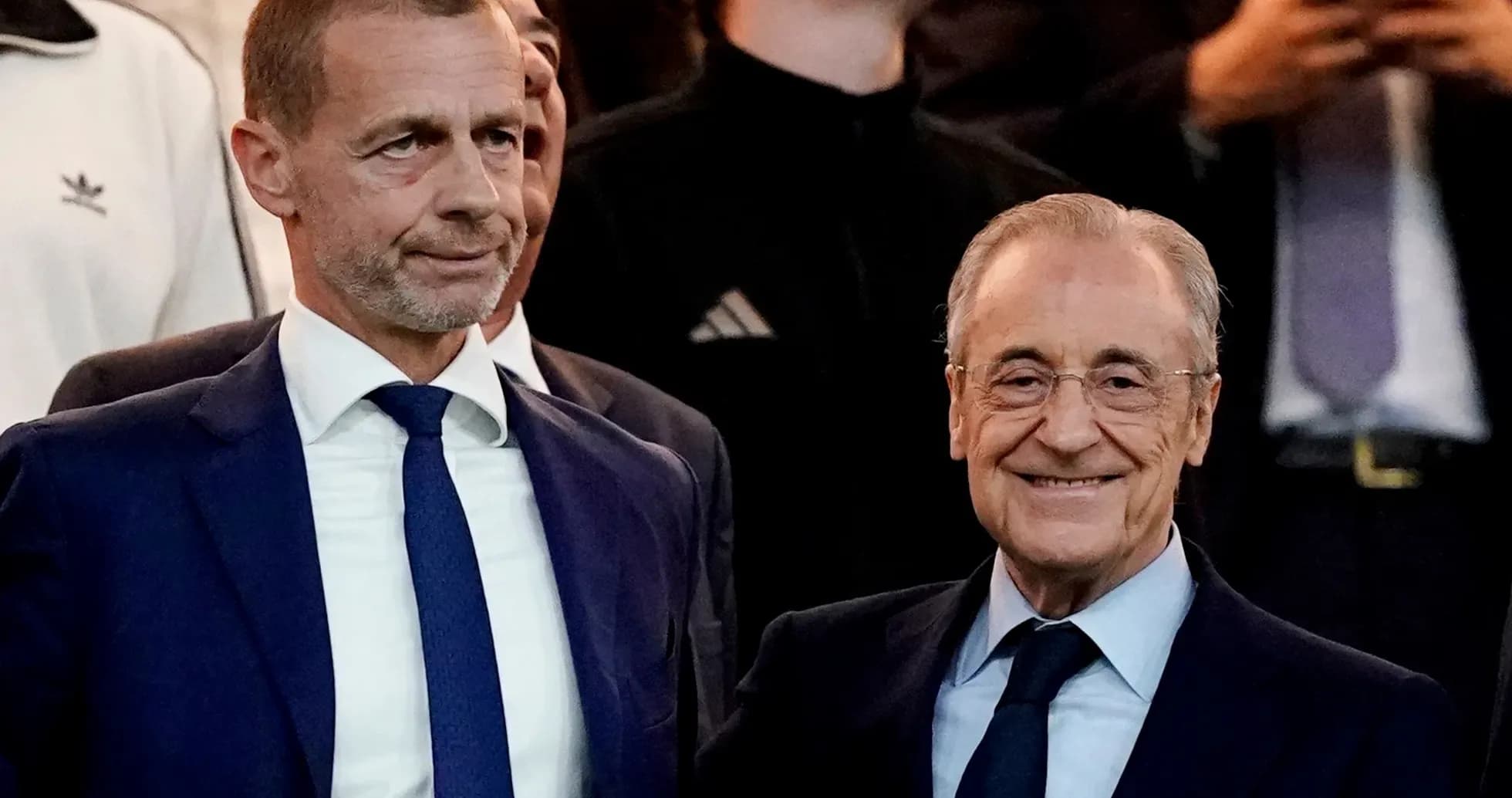
UEFA has fired another shot in its escalating war with FIFA, insisting its 55 member associations remain united in boycotting all FIFA competitions and bluntly stating that Gianni Infantino’s climbdown over his World Cup sell-off plan is nowhere near enough to repair the rift.
The message was clear, and it was cold.
Last Thursday, European football’s governing body voted unanimously to pull its national teams and clubs out of FIFA events after Infantino’s plan to sell minority stakes in World Cups and other flagship competitions detonated fury across the continent. The proposal, seen in Europe as an attempt to turn the game’s crown jewels into a financial asset for outside investors, crossed a line UEFA was not prepared to ignore.
Under fierce pressure from across the sport, Infantino backed away. The proposal was withdrawn. FIFA’s leadership then gathered in Morocco on Wednesday and, publicly at least, closed ranks around their president.
The crisis, though, has not eased. It has hardened.
UEFA: Trust is broken, and the bar is higher
In a statement on Thursday, UEFA reminded FIFA that Europe’s boycott was never about a single document being scrapped.
“UEFA’s associations were very clear about the conditions attached to their non-participation in FIFA competitions,” the statement read. “First, the proposals to sell off the major competitions had to be withdrawn and secondly, assurances have to be made that such attempts to disfigure the game in this way will never be made again.”
Then came the punchline: “These conditions have not been met.”
For UEFA, the issue is no longer just a bad idea floated and then abandoned. It is about trust in the man leading the global game. On Saturday, the organisation had already said it had lost confidence in Infantino’s presidency. On Thursday, it underlined that stance and undercut FIFA’s attempts to project unity.
“UEFA made it abundantly clear in its statement on Saturday that it has lost confidence in Gianni Infantino’s presidency. That position holds,” the statement continued.
The governing body then took direct aim at those who had rallied around Infantino in Morocco: “Yesterday’s (Wednesday) announcement that some people employed by the FIFA President (and whose careers depend on his favour) agree with him changes nothing.”
No softening. No diplomatic cover. Just an open challenge to FIFA’s internal show of support.
FIFA apology fails to shift Europe
Sensing the scale of the backlash, FIFA tried to steady the ship. After the high-level summit, the organisation apologised to its own council and member associations for “errors” and promised to ensure “they do not happen again.”
It was an unusual move for a body that rarely admits fault in public. Yet in UEFA’s eyes, it barely scratched the surface.
The European confederation confirmed this week that it has already sent FIFA a “document preservation letter” – a legal step designed to stop any potential evidence being deleted or destroyed ahead of possible legal proceedings. That is not the action of a partner ready to forgive and forget. It is the move of an institution preparing for a prolonged confrontation.
FIFA did not immediately respond to a request for comment.
A battle over the soul – and leadership – of world football
While the legal machinery whirs in the background, the political fight is becoming just as sharp.
Laura McAllister, UEFA vice president, set out the broader stakes earlier on Thursday. Speaking to Deutsche Welle, she framed the next phase not just as a dispute over one president, but as a battle over what the role itself should represent.
Any future FIFA leader, she argued, must be a “custodian of the sport” and someone capable of uniting the global game, not simply surviving a storm with the help of loyalists.
“There’s so much politics around this. There’s such an imperative to get a candidate who could unite the whole world of football, not just Europe in this case,” McAllister said.
Her words cut to the heart of UEFA’s anger. For many in Europe, Infantino’s push to sell slices of the World Cup and other competitions was not just a misjudgment. It was seen as an attempt to reshape football’s future around commercial deals that could sideline long-term sporting interests.
UEFA’s insistence on guarantees that such “attempts to disfigure the game” will never be repeated shows how deep that mistrust now runs.
First test looms in Poland
The boycott will soon move from the boardroom to the pitch.
The first concrete test comes on 5 September, when Poland is scheduled to host the FIFA Women’s Under-20 World Cup. Under UEFA’s current stance, European nations will not take part. A global tournament, stripped of European teams, would be a stark visual symbol of just how fractured the relationship has become.
What happens in Poland will tell the rest of the world how far UEFA is prepared to go – and how long FIFA can afford to ignore the biggest power bloc in the game.
Related News
Carlos Alcaraz Urges an End to Matches Ending in the Early Hours
Carlos Alcaraz Criticizes Late US Open Finish After 3:30 a.m. Match
Jannik Sinner Set for ATP 500 Return in Beijing with Novak Djokovic Also Competing
Meet Iva Jovic: The American Tennis Prospect Making Waves
Flavio Cobolli Shares Insights on Practice Session with Jannik Sinner Ahead of Comeback
Till vs Romero: Fight Details, Undercard, and Viewing Info for This Weekend