
Why UEFA Is Leading the Opposition Against Gianni Infantino's FIFA Presidency
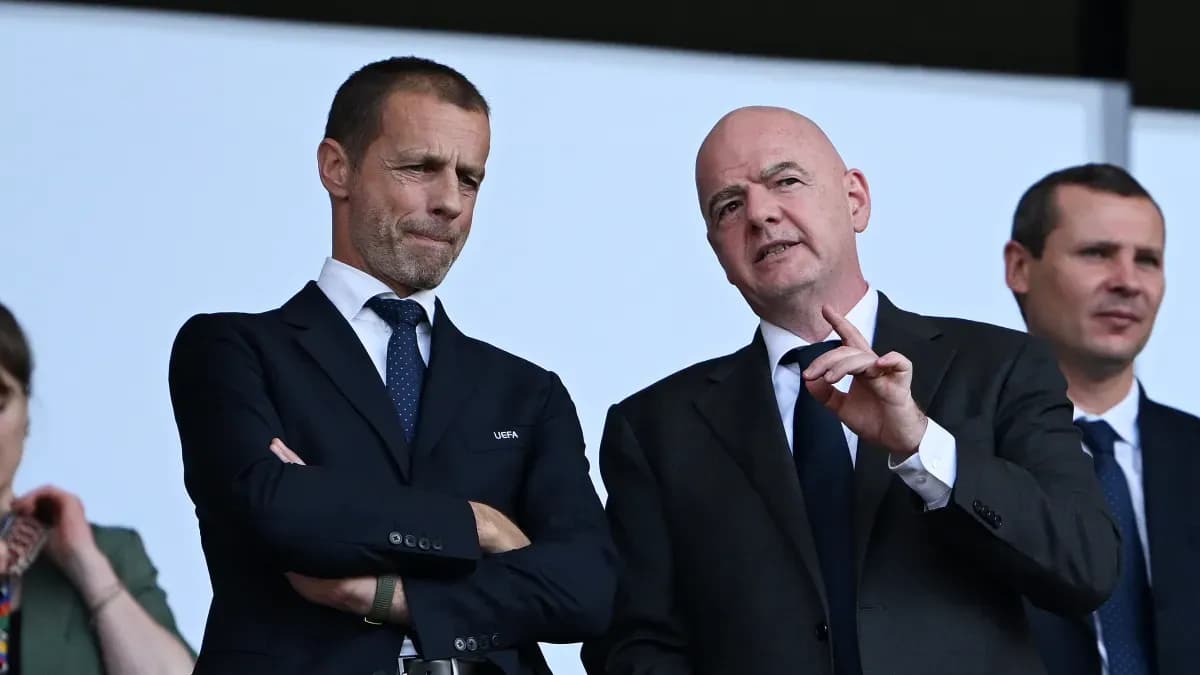
Over the past ten years, the relationship between FIFA and its European counterpart, UEFA, has become increasingly strained. Conflicts over priorities and power have pushed their rivalry to new heights as 2026 approaches.
The collapse of Gianni Infantino's controversial FIFA Forward Enterprise (FFE) plan, which included proposals to sell parts of the World Cup to private investors, intensified the discord. The fallout has led UEFA to actively call on its member associations to withdraw support from Infantino.
UEFA's Call for Withdrawal of Support
In response to the failed FFE initiative, UEFA urged its national members to send letters retracting their endorsement of Infantino. The Welsh Football Association took the lead, with the English FA and many other European federations expected to follow. There are even talks of legal action against Infantino related to the FFE plan, with reports that UEFA has requested FIFA preserve all relevant documents in case of litigation.
Why Is UEFA at Odds With FIFA?
The rivalry stems from differing focuses. FIFA revolves primarily around the World Cup, the most profitable international football event worldwide. Meanwhile, UEFA places greater emphasis on club competitions, particularly the lucrative Champions League and Europe's strong domestic leagues.
This difference leads to clashes over scheduling and control. When FIFA moved the 2022 World Cup to winter to avoid Qatar’s summer heat, it disrupted Europe’s club calendar, angering UEFA and its stakeholders. Additionally, FIFA’s one-nation-one-vote system often gives smaller countries more influence than powerful European nations, frustrating UEFA which represents major football powers.
Infantino has frequently courted votes from African and Asian members by proposing financial incentives like those promised in the FFE plan, which appeal less to wealthy European federations. This approach leaves Europe feeling sidelined in global decision-making.
Past Clashes Between UEFA and FIFA
Conflicts go back several years. Some key disputes include:
- 2018 SoftBank Deal: Infantino’s $25 billion agreement with SoftBank to fund new competitions, including an expanded Club World Cup, faced strong opposition from UEFA. President Aleksander Ceferin condemned the deal as "a highly cynical and ruthless mercantilism," similar to his recent criticism of the FFE plan.
- World Cup Expansion:UEFA opposed FIFA’s consideration of switching to a biennial World Cup format, arguing that it would dilute the tournament's prestige and lead to randomness rather than quality.
- Folarin Balogun Red Card Reversal:UEFA criticized FIFA’s decision to overturn Balogun’s red card at the 2026 World Cup, accusing Infantino of bending to political pressure from then-U.S. President Donald Trump, violating competition fairness.
- Political Ties: Traditionally neutral, FIFA has rules against government interference in football. Yet Infantino’s close dealings with global leaders, including a late arrival to a FIFA council meeting after meeting Trump, prompted UEFA president Ceferin to stage a walkout in protest.
The Deepening Rift
These ongoing disputes have created a chilly atmosphere between UEFA and FIFA. Europe's dominant football powers feel marginalized in global decisions, while Infantino relies on alliances with smaller nations and political figures to push his agenda. The tension is not just about sport but involves governance, finance, and influence on the world stage.
As 2026 draws near, this conflict looks set to escalate further, making the future of international football politics uncertain.
Related News
Carlos Alcaraz Urges an End to Matches Ending in the Early Hours
Carlos Alcaraz Criticizes Late US Open Finish After 3:30 a.m. Match
Jannik Sinner Set for ATP 500 Return in Beijing with Novak Djokovic Also Competing
Meet Iva Jovic: The American Tennis Prospect Making Waves
Flavio Cobolli Shares Insights on Practice Session with Jannik Sinner Ahead of Comeback
Till vs Romero: Fight Details, Undercard, and Viewing Info for This Weekend