
Union Omaha Defeats Fort Wayne 4–2: A Statement in USL League One Cup
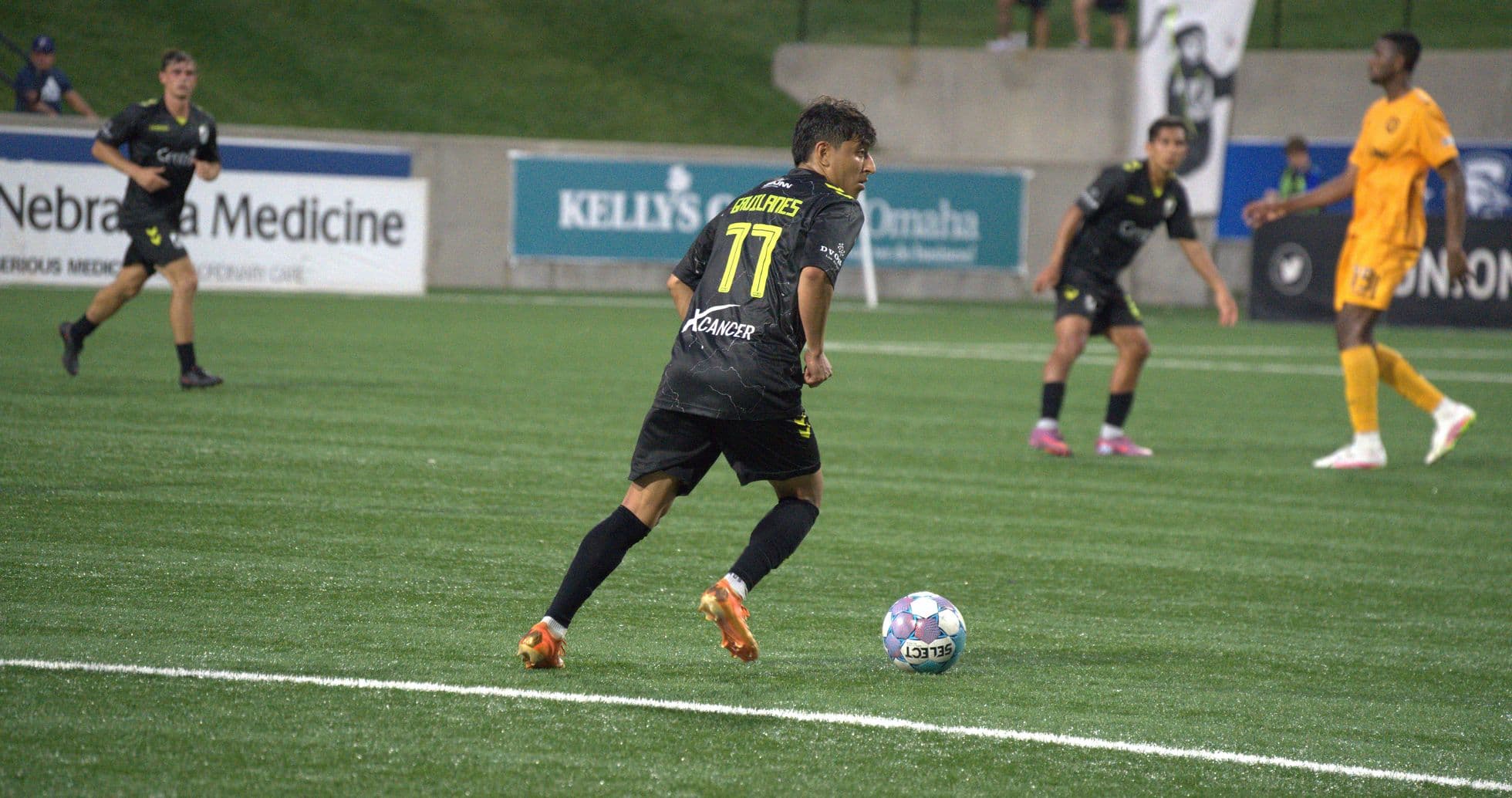
Under the lights at Werner Park, Union Omaha’s 4–2 win over Fort Wayne felt less like a routine group game and more like a statement of identity in the USL League One Cup. This was a meeting of two sides arriving from opposite directions in Group 4: Union Omaha, heading into this game, sat 2nd with 6 points from 3 matches, while Fort Wayne languished in 6th on 1 point, their campaign defined by damage limitation rather than control.
Across the group stage overall, Union Omaha’s numbers tell a strange but revealing story. They have scored 7 goals in total and conceded 8, leaving them with a goal difference of -1 despite two wins from three. At home, they have been simultaneously exhilarating and fragile: 5 goals for and 7 against in 2 home fixtures, an attacking average of 2.5 goals at Werner Park offset by 3.5 goals conceded. On their travels, they are tighter and more efficient, with 2 goals for and 1 against in a single away outing, averaging 2.0 scored and 1.0 conceded.
Fort Wayne, by contrast, have been consistently stretched. In total this campaign they have 5 goals for and 10 against, a goal difference of -5 that underlines their struggles. At home, they average 2.0 goals scored but 3.0 conceded; away from home, it is 1.5 for and 3.5 against. They have yet to keep a clean sheet anywhere, and with 0 wins and 3 losses from 3 fixtures, the table reflects exactly what the eye test suggests: a side that can punch, but cannot defend its chin.
I. The Big Picture: Squad Identities and Structural DNA
Union Omaha’s starting XI is built around a flexible, aggressive spine. Up front, P. Botello Faz wears 9 and leads the line, flanked by creative and direct wide threats in A. Gavilanes (77) and D. Borczak (11). Between the lines, A. Gomez (21) and S. Ors Navarro (20) can knit play, while Gabriel Cabral (8) is the metronome and first presser in midfield.
Behind them, the defensive platform of S. Owusu (4), B. Malone (3), R. Jiba (27) and C. Lawrence (19) in front of goalkeeper C. Jensen (99) is still a work in progress. The numbers back that up: in total, Union Omaha have yet to keep a clean sheet and concede 2.7 goals per game overall. Yet they’ve never failed to score either, which frames them as a classic “you score, we score more” side.
Fort Wayne’s XI is more transitional by nature. The forward pairing of D. Oyetunde (9) and R. Becher (21) gives them vertical threat, with J. Thomas (23) and K. Gafar (12) able to join from wide or midfield. J. Garay (8) and E. Nieto (18) offer a central platform, but the back line—J. Smith (2), R. Sproat (5), J. Solis (19), and A. Hernandez (22) in front of goalkeeper A. Echevarria (96)—has been relentlessly exposed. With 10 goals conceded in total and an average of 3.3 per match, their defensive structure simply hasn’t held under pressure.
II. Tactical Voids: Discipline and Risk Management
Neither side has listed absences, but the disciplinary data sketches their emotional temperature. Union Omaha’s yellow cards cluster in the middle and late phases: 25.00% of their cautions arrive between 31–45 minutes, 50.00% between 61–75, and another 25.00% between 76–90. There is also a red card spike between 61–75 minutes, where 100.00% of their reds occur. This suggests a team that plays on the edge, particularly as matches open up in the second half.
Fort Wayne’s caution map is even more volatile. Their yellows are spread, but with a distinct late-game surge: 22.22% between 16–30, another 22.22% between 31–45, 11.11% between 46–60, and a striking 44.44% between 76–90. As legs tire and game states turn against them, their defensive decision-making frays. Yet, notably, they have no red cards recorded, hinting at recklessness in challenges but just enough restraint to avoid full collapses.
III. Key Matchups: Hunter vs Shield, Engine Room vs Enforcer
The “Hunter vs Shield” duel in this fixture lives on the axis of Union Omaha’s front line against Fort Wayne’s leaky rearguard. Omaha, who have scored 4 at home in a single match and 2 away in another, know they can generate chances in bursts. With no specific minute-by-minute goal distribution provided, the evidence of a 4–2 home win and a 4–2 “biggest home win” benchmark suggests they are capable of overwhelming opponents in concentrated spells.
Fort Wayne’s shield, meanwhile, has cracked repeatedly. On their travels they concede 3.5 goals on average and have already suffered a 4–2 away defeat. That symmetry—losing 4–2 away and again conceding 4 at Werner Park—underlines how vulnerable they are once the first line of pressure is broken.
In the “Engine Room”, Gabriel Cabral’s role is central. As Union Omaha’s midfield anchor, he must manage transitions against Fort Wayne’s direct threats in D. Oyetunde and R. Becher. Garay and Nieto will try to spring quick outlets, but with Fort Wayne’s total goals against at 10 and no clean sheets, they are often forced into reactive, stretched shapes rather than proactive control.
IV. Statistical Prognosis: What This Match Tells Us Going Forward
Following this result, the statistical trajectories of both squads feel reinforced rather than rewritten. Union Omaha’s total average of 2.3 goals scored and 2.7 conceded paints them as a high-variance, entertainment machine. Their penalty record—1 taken, 1 scored, 100.00% conversion with no misses—adds another weapon in tight contests. However, the absence of any clean sheets and the heavy 1–5 home loss listed as their biggest defeat underline how quickly their open structure can backfire.
Fort Wayne’s campaign remains defined by defensive frailty. In total, they average 1.7 goals for but 3.3 against, a gap that simply cannot sustain results at this level. Their ability to score in every match and avoid failing to score suggests they will continue to trouble back lines, but without a recalibration of their defensive block, they are destined to live on the wrong side of high-scoring games like this 4–2.
Tactically, the intersection is clear: Union Omaha’s aggressive, front-foot attack is perfectly aligned to exploit Fort Wayne’s porous defensive metrics, especially in the late stages where Fort Wayne’s yellow-card surge at 76–90 minutes betrays fatigue and desperation. Unless Fort Wayne can compress space and reduce chaos in those closing phases, future meetings with sides of Omaha’s attacking profile will likely follow a similar script—breathless, open, and ultimately unforgiving.
Related News
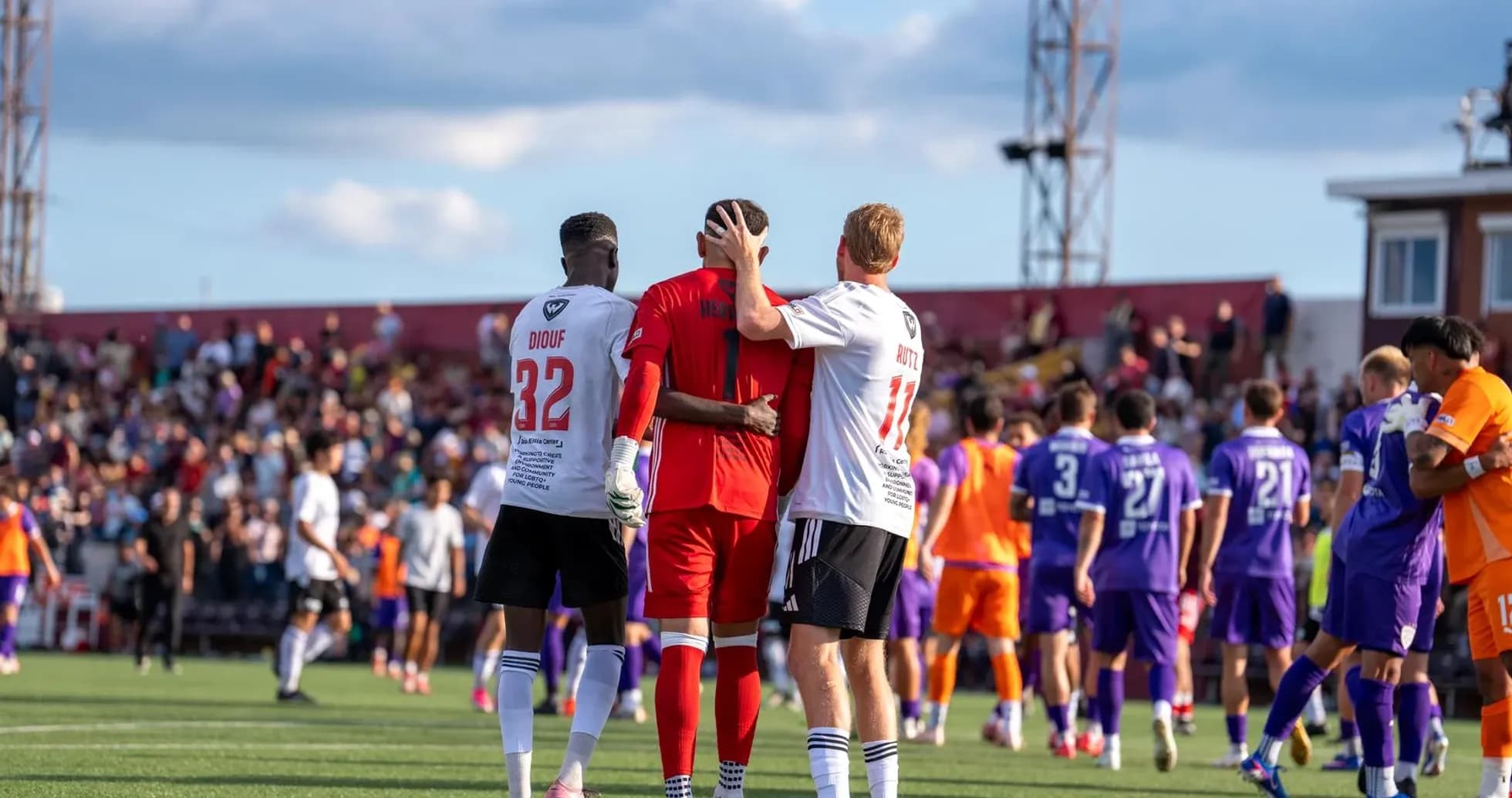
Louisville City Edges Detroit City in Penalty Shootout
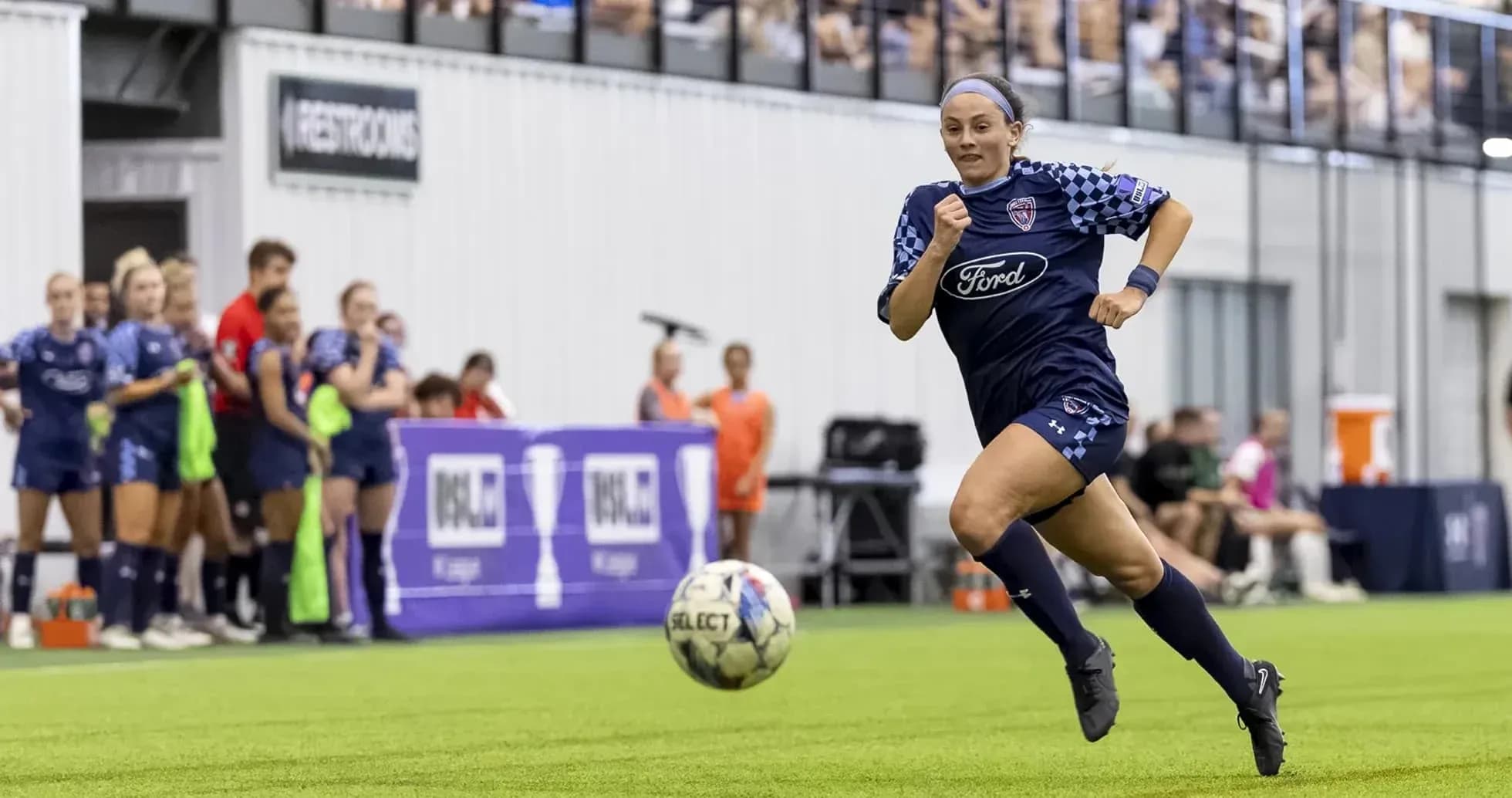
Lexington vs Indy Eleven: USL League One Cup Showdown
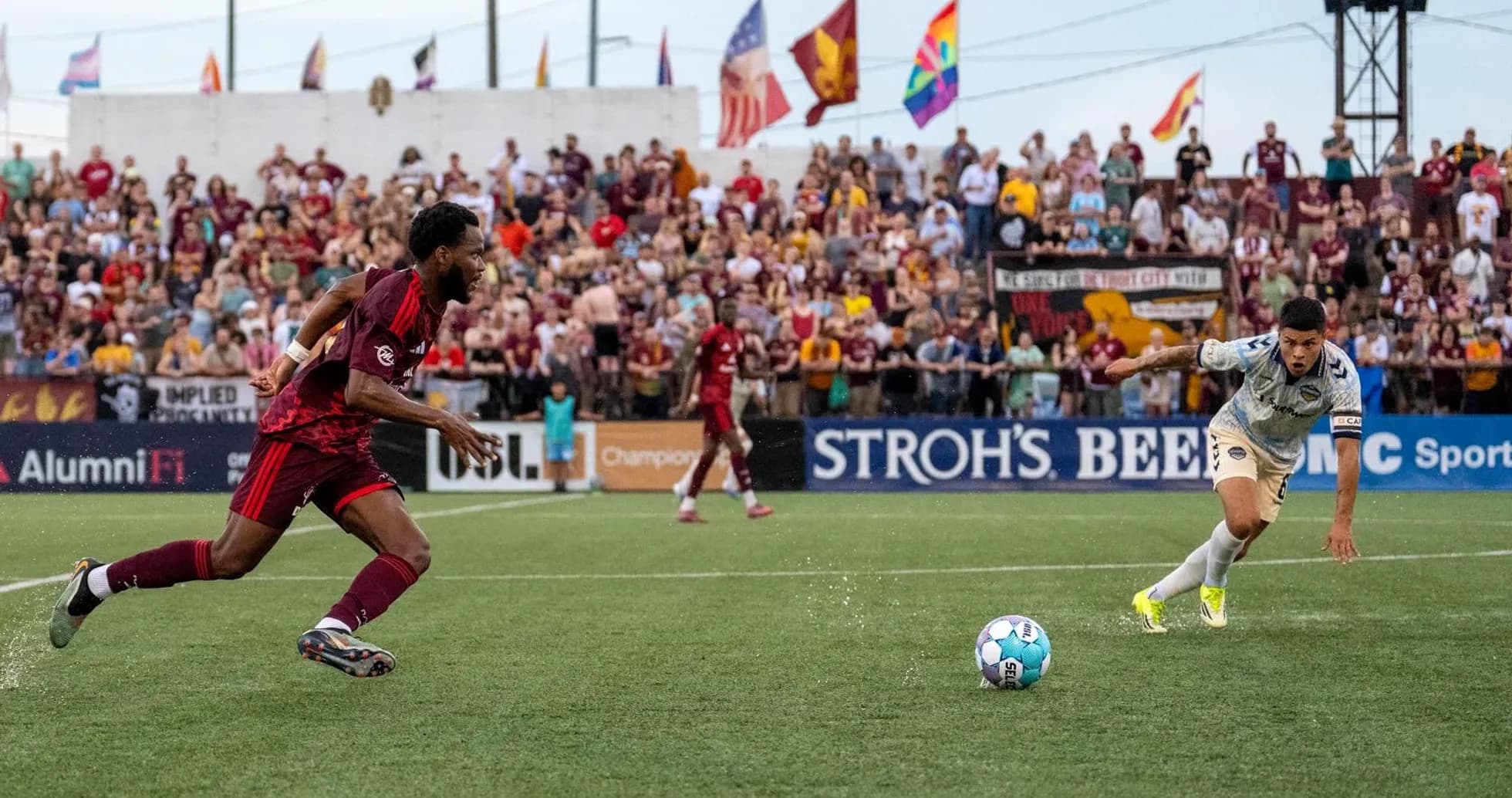
Detroit City vs Louisville City: USL League One Cup Showdown
Lexington vs Indy Eleven: USL League One Cup Group Stage Preview
Detroit City vs Louisville City Match Preview

Lexington vs Indy Eleven: USL League One Cup Clash Insights