
Vinicius Jr's Contract: Premier League's Challenge for Global Icons
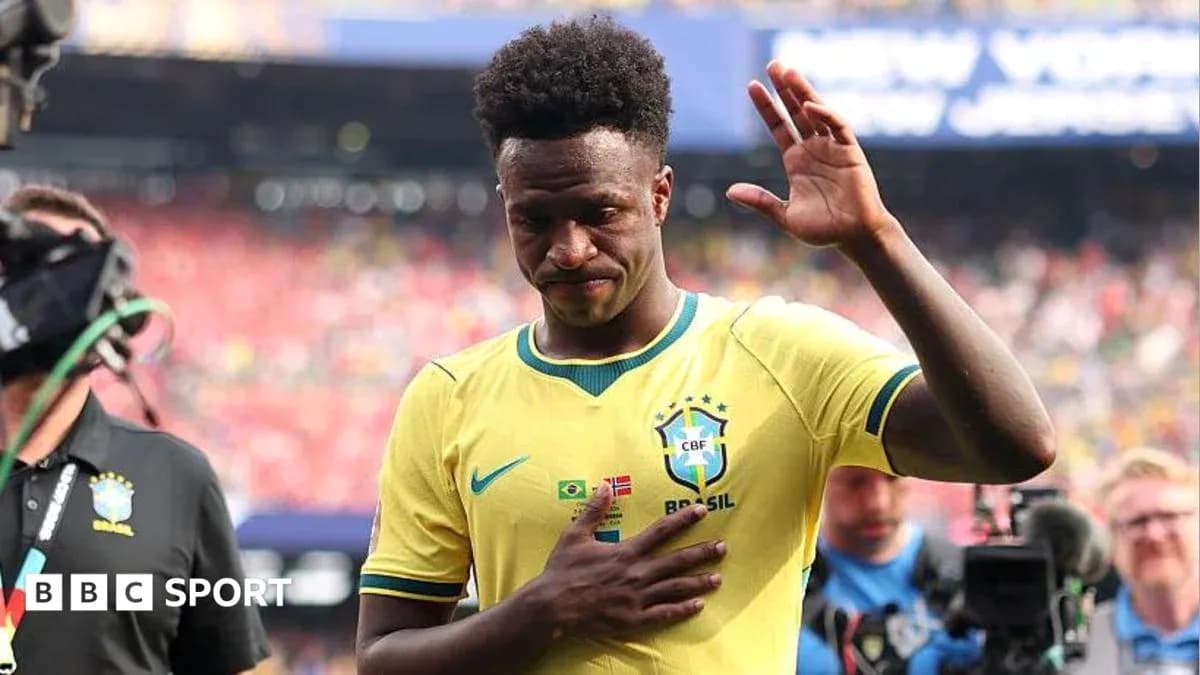
If Vinicius Jr had walked into Arsenal’s training ground this summer, it would have felt like a rupture in the natural order of modern football.
Not another elite prospect polishing his game in England. A finished article. A fully formed global superstar, in his prime, choosing the Premier League over Real Madrid.
Arsenal were ready. He was listening. At 26, with multiple Champions Leagues already banked, Vinicius was at least open to the idea of swapping the Bernabeu for north London.
Then came the signature that changed everything: a new Real Madrid contract, running to 2032.
A rare window closed, and with it came a reminder of a strange contradiction that has defined the Premier League era.
The richest league, but not the home of the gods
No league spends like England’s top flight. No competition sells itself better as the hardest, fastest, deepest in world football.
Yet when it comes to attracting players already entrenched in the Ballon d’Or conversation, the Premier League keeps running into the same glass ceiling.
Since 1992, only three men have lifted the Ballon d’Or while playing for an English club: Michael Owen at Liverpool in 2001, Cristiano Ronaldo at Manchester United in 2008, and Rodri at Manchester City in 2024.
Three, across more than three decades of unprecedented money and global reach.
Premier League clubs have no issue stockpiling elite centre-backs and goalkeepers. They hoard them. The scarcity shows further up the pitch, where the world’s most coveted forwards and attacking midfielders still tend to look elsewhere when they are already at the summit.
Vinicius would have been the exception: a player who has already conquered Europe, already become one of football’s most recognisable faces, choosing to leave Madrid in his prime. Instead, his renewal underlines a reality the Premier League cannot quite shake.
England, the finishing school
What the league does better than anyone is turn talent into stardom.
Dennis Bergkamp arrived at Arsenal as a player rebuilding his reputation after a bruising spell at Inter Milan. In north London, he became one of the most influential figures the Premier League has ever seen.
Eric Cantona had shown his edge in France and briefly at Leeds, but it was at Manchester United where he became an icon – the defining figure of Sir Alex Ferguson’s first great Premier League side.
Thierry Henry landed at Arsenal carrying the baggage of an underwhelming stint at Juventus. He left as one of the outstanding forwards of his generation, a player who reshaped what a Premier League striker could be.
Cristiano Ronaldo turned up at Old Trafford as an exciting, raw 18-year-old from Sporting. Five years later he had a Ballon d’Or in his hands and a ticket to Real Madrid. The Premier League helped make him; Madrid claimed the finished masterpiece.
Erling Haaland is the modern version of that story. Manchester City signed him from Borussia Dortmund in 2022 as one of Europe’s most coveted young forwards, but not yet the unstoppable force he has become in England. The goals, the records, the aura – that came in the Premier League.
That is very different from signing a player like Vinicius after he has already climbed the mountain.
When the giants did come
There have been moments when the Premier League managed to lure a genuine, established global superstar close to his peak.
The clearest parallel to Vinicius is Andriy Shevchenko. Chelsea took him from AC Milan in 2006, aged 29, just two years after he had won the Ballon d’Or and a year after finishing fifth in the voting. Shevchenko arrived not as a rising star, but as one of the game’s defining forwards.
Those deals have always been rare.
Ruud Gullit and George Weah also came to Chelsea, but in the later chapters of their careers. Ronaldo returned to Manchester United at 36, long after his most devastating years in Madrid. Zlatan Ibrahimovic joined United at 34. Jurgen Klinsmann signed for Tottenham at 30.
These were big names, huge personalities, but not players being prised away at their absolute peak.
From Serie A’s empire to the Premier League’s machine
In the 1980s and 1990s, there was no such tension. Serie A had the money and the magnetism, and it hoarded the game’s giants.
Diego Maradona left Barcelona for Napoli. Brazil’s Ronaldo moved from Barcelona to Inter at his explosive best. Michel Platini, Marco van Basten, Lothar Matthaus, Zinedine Zidane – the list of all-time greats who spent their finest years in Italy reads like a Hall of Fame.
The Premier League’s modern financial dominance has created a different ecosystem.
English clubs spend vast sums, but the money often spreads across deep squads or circulates within the division. The model is less about one or two Galacticos, more about building a 20-strong group capable of surviving a 60-game season at full tilt.
Look at the internal market: Alexander Isak, Morgan Rogers, Elliot Anderson, Moises Caicedo, Declan Rice and Jack Grealish have all moved between Premier League clubs for fees north of £100m.
At the same time, players such as Liverpool’s Florian Wirtz arrive from abroad with huge reputations but still with clear headroom to grow. They are stars in the making, not yet global institutions.
The Premier League buys potential and proven domestic excellence. Real Madrid buy the finished myth.
Haaland, Madrid and the ceiling above England
Haaland is the one case that seems to push back against the trend. City took him from Dortmund at 21 and watched him turn into the most feared number nine in the world.
Yet even his story circles back to the same gravitational force.
During the 2026 World Cup, his father Alfie spoke to DAZN and was asked about the prospect of Haaland one day moving to the Bernabeu.
"He's happy at City, he's got a long contract… but any player wants to play for Real Madrid," he said.
It was not a transfer declaration. It was something deeper: an admission of hierarchy. The Premier League can be the stage on which a star is made. Real Madrid still represent the final act.
That is the challenge for England’s richest clubs. They have built the world’s most watched league, a competition that manufactures superstars at an extraordinary rate. But persuading those already at the very top to choose the Premier League – and keeping those who reach that level on English soil – remains the frontier they have yet to cross.
Vinicius Jr’s new contract at Madrid does not just close the door on Arsenal. It asks a sharper question: in an era of unprecedented Premier League power, who will be the next true global icon to choose England at the height of his powers – and what will it take to make him stay?
Related News
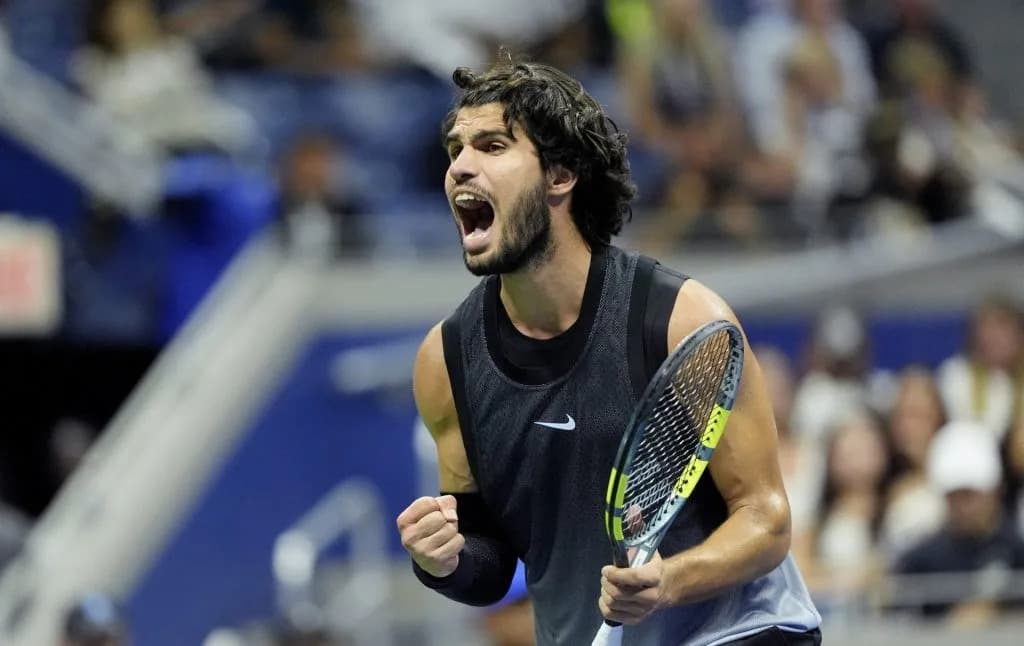
Carlos Alcaraz Urges an End to Matches Ending in the Early Hours
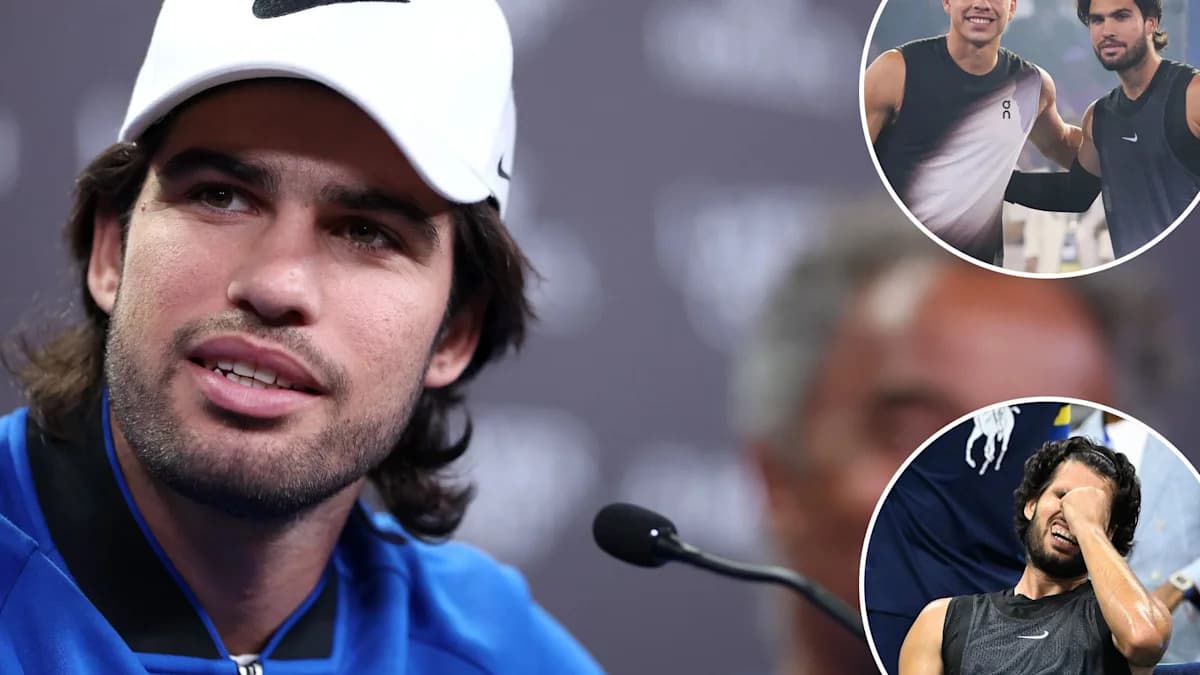
Carlos Alcaraz Criticizes Late US Open Finish After 3:30 a.m. Match
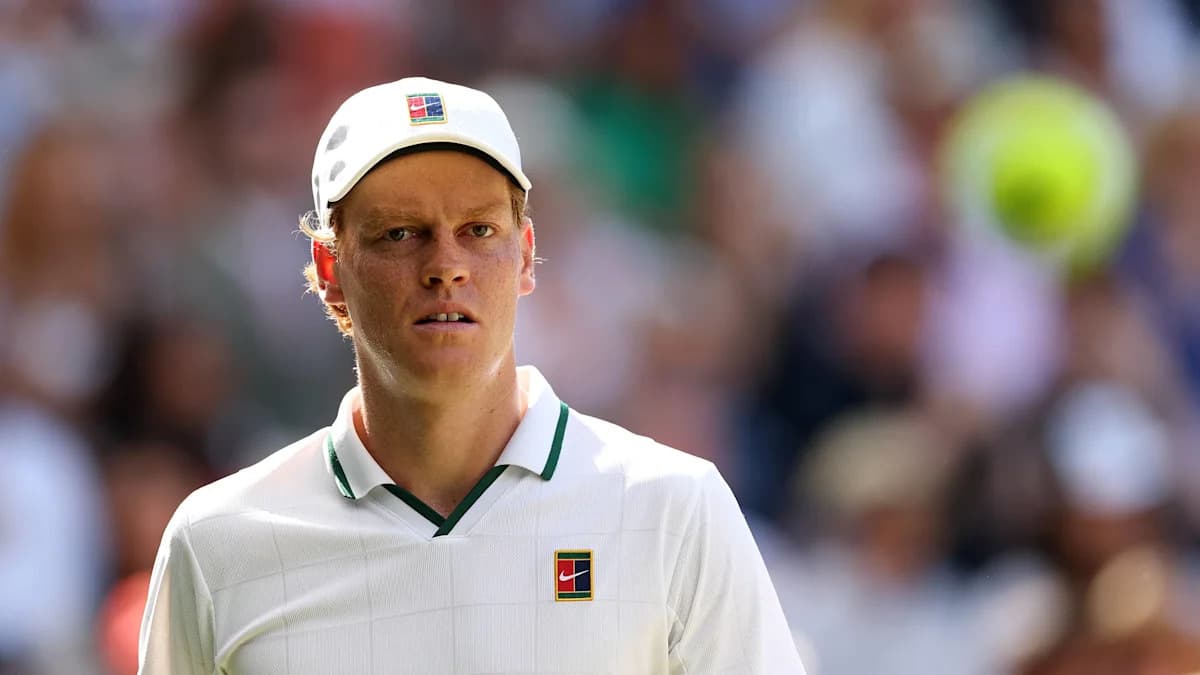
Jannik Sinner Set for ATP 500 Return in Beijing with Novak Djokovic Also Competing

Meet Iva Jovic: The American Tennis Prospect Making Waves

Till vs Romero: Fight Details, Undercard, and Viewing Info for This Weekend

Joshua vs Fury Set for December Clash in Cardiff