
Virgil van Dijk on Liverpool's Transition: Building for Success
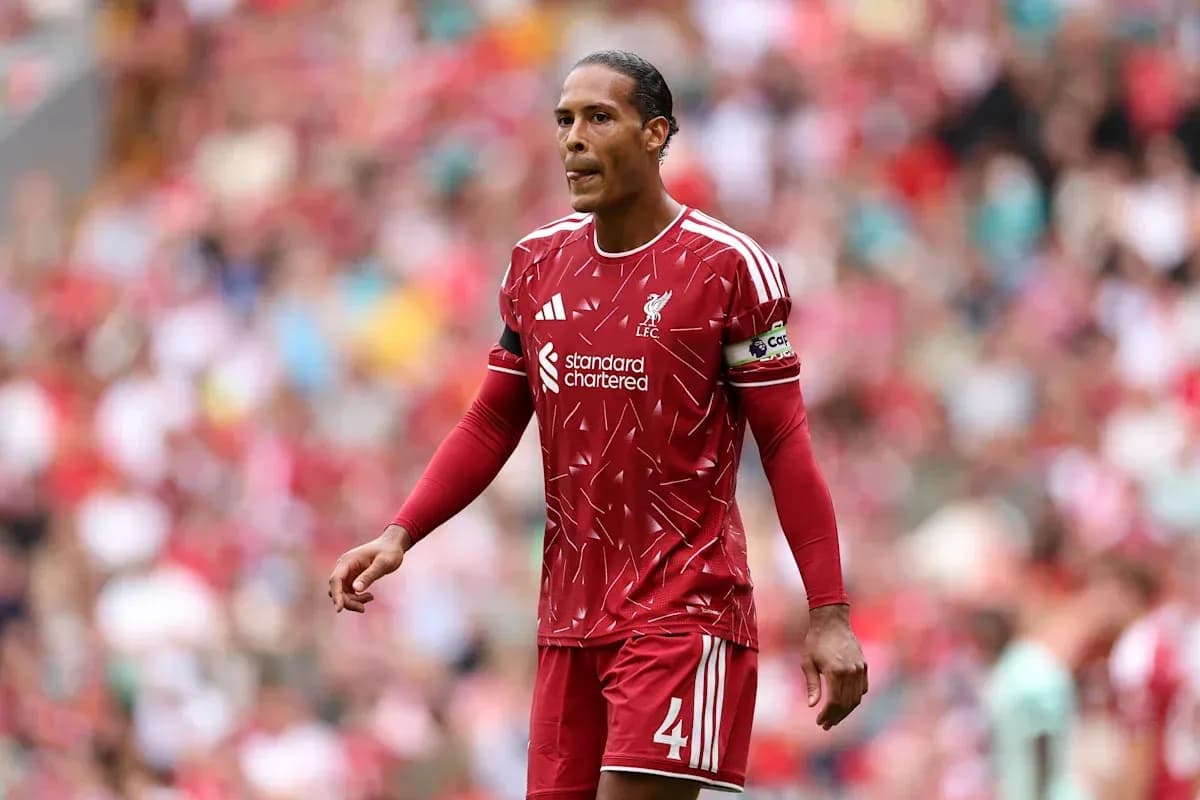
Virgil van Dijk has lived through enough Liverpool cycles to recognise one when he sees it. Titles, near-misses, rebuilds, farewells. This one, he says, is unmistakable.
“It definitely feels like a bit of a transition, for sure,” the Liverpool captain admits, as Andoni Iraola steps into the technical area and a very different Anfield era begins.
A New Face in the Dugout, Big Names Gone
Only two years have passed since Liverpool were champions of England under Arne Slot. That side looked built to last. It didn’t. A poor campaign last season cost Slot his job and triggered a summer of upheaval.
Mo Salah has gone. Andy Robertson too, a full-back who came to embody the club’s relentlessness under previous regimes. The dressing room has lost not just quality, but voices, habits, reference points.
Into that vacuum walks Iraola, tasked with reshaping a squad still expected to compete on every front. The demands have not softened just because the names on the teamsheet have changed.
For van Dijk, the message is clear: transition cannot become an excuse.
“It’s down to everyone associated with Liverpool to make sure that we’re building something that will be successful for the years to come,” he says. “This year we want to be successful, but there’s a lot of work to be done still, and we all know how difficult it is to be playing in the Premier League, League Cup, FA Cup, Champions League, so we need everyone at their best.”
That’s the tightrope Liverpool now walk. Build for tomorrow. Deliver today.
The Captain at 35: Defiance, Not Decline
The conversation inevitably turns to age. Van Dijk is 35 now, a number that tends to provoke raised eyebrows when attached to a Premier League centre-back expected to play every three days.
He doesn’t wait long to swat away the doubt.
“Yes. What, are you going to say I’m 35 years old and I can’t do it?”
There’s a flash of the competitive edge that has underpinned his Liverpool career. He knows what the calendar says. He also knows what his body tells him.
“At the end of the day you have to look after yourself, I won’t say I’m lucky, but you have to do everything in your power, and that’s the bare minimum for me, because I feel the responsibility to be ready each and every game.
“Every three days I’m doing everything in my power at home, at the training ground, to be ready to play a game. So, for me, I feel good. I’m also a late bloomer, so maybe… It is what it is, I feel fine, and I want to be part of a successful Liverpool team.”
The language is revealing: responsibility, bare minimum, power. This is not a player drifting into the twilight. It is a senior pro doubling down, convinced he can still anchor a side that wants to chase four competitions.
Wearing the Shirt, Carrying the Weight
Strip away the tactical tweaks Iraola will bring, the new faces, the departures, and Liverpool still revolve around a simple idea: what it means to wear that red shirt.
Van Dijk leans on that theme, almost as a standard he’s setting for the new group as much as a personal vow.
“I want to make all the fans proud all over the world that support us wherever we go, and that’s by winning games, that’s by showing what it means to wear that shirt every time, and that’s for me the bare minimum anyway, so I will keep going.”
Transition season or not, the expectations remain brutal: trophies, deep runs, high standards. The manager has changed. Icons have moved on. The league will show no mercy.
Liverpool’s rebuild will be judged not on speeches, but on results. Van Dijk, at 35 and still bristling at any hint of decline, intends to be right at the centre of that verdict.
Related News
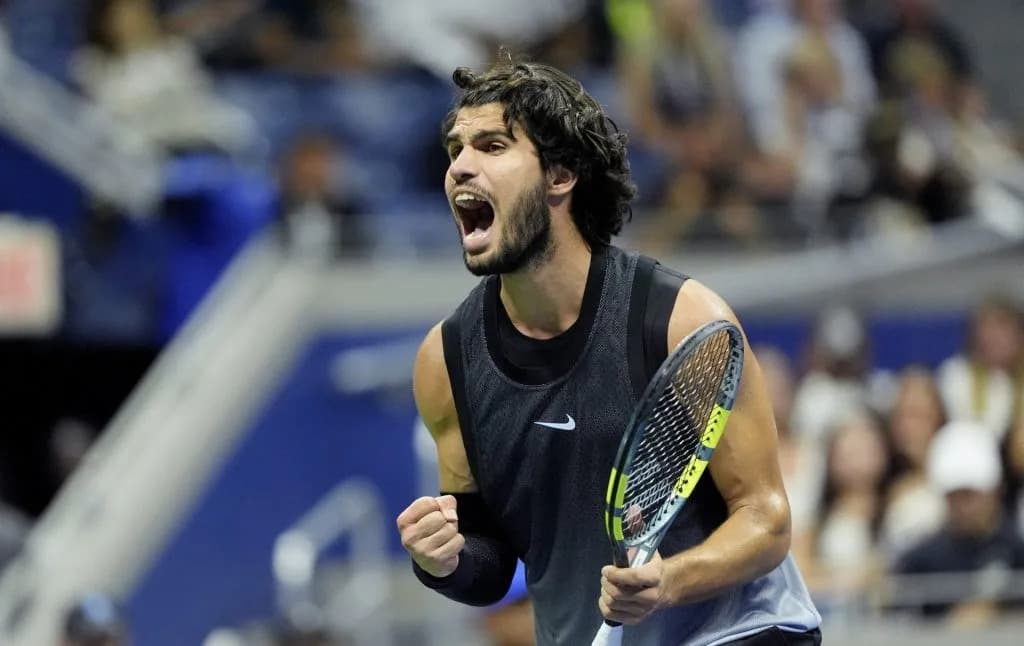
Carlos Alcaraz Urges an End to Matches Ending in the Early Hours
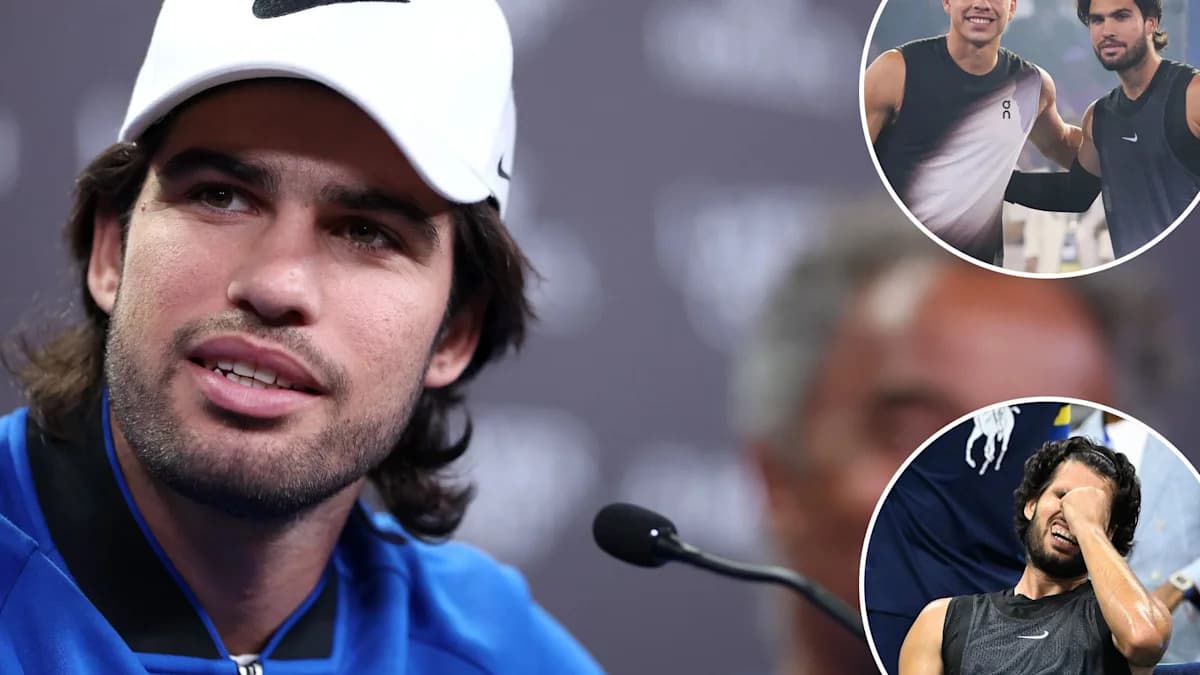
Carlos Alcaraz Criticizes Late US Open Finish After 3:30 a.m. Match
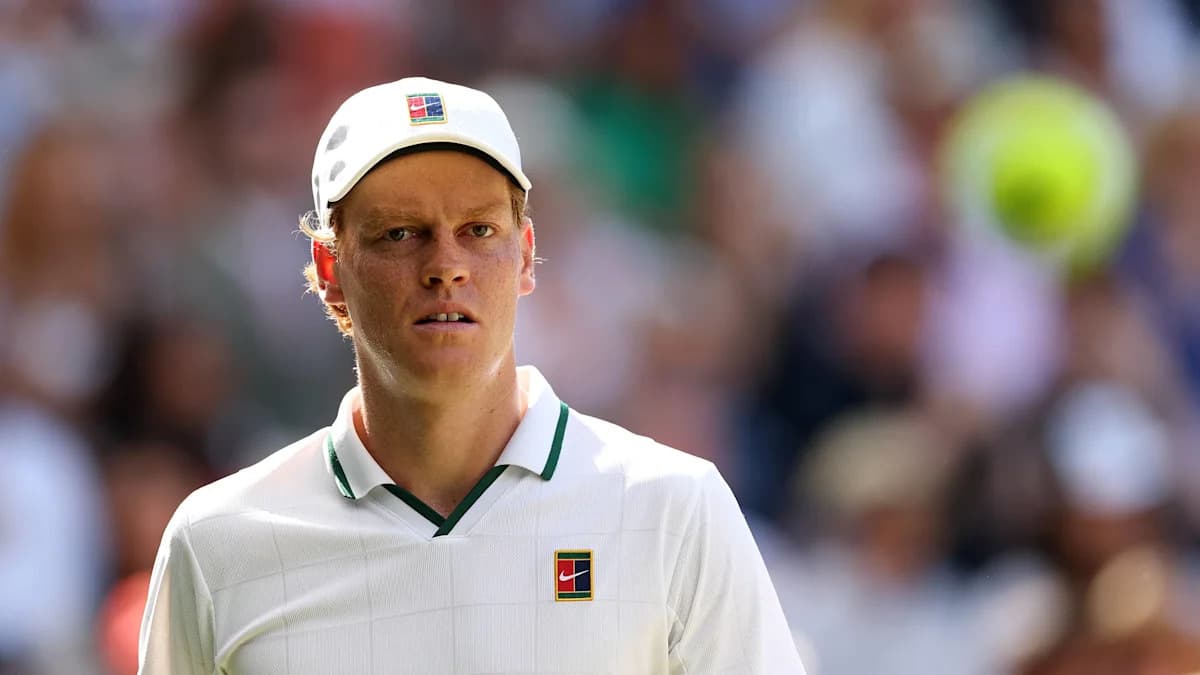
Jannik Sinner Set for ATP 500 Return in Beijing with Novak Djokovic Also Competing
Meet Iva Jovic: The American Tennis Prospect Making Waves
Flavio Cobolli Shares Insights on Practice Session with Jannik Sinner Ahead of Comeback

Till vs Romero: Fight Details, Undercard, and Viewing Info for This Weekend