
The Part-Time Team That Claimed Three Wembley Finals in a Row
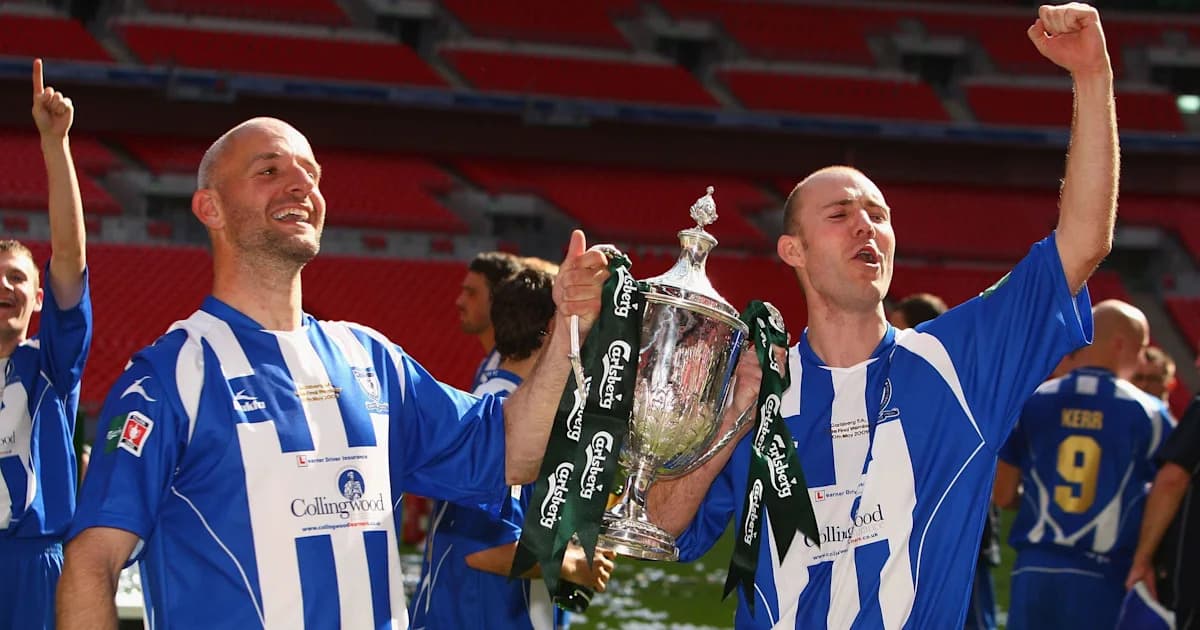
Most football fans know Pep Guardiola's Manchester City for winning four consecutive League Cups from 2018 to 2021. Yet, an even earlier team managed to claim three straight Wembley final victories long before them.
That team was Whitley Bay, a part-time side competing in the ninth-tier Northern Football League, who secured the FA Vase trophy three years running between 2009 and 2011. Their feat remains unmatched in non-league football history.
The FA Vase is a national competition launched in 1974 for amateur teams, and in its 50-plus years, Whitley Bay stands alone as the only club to win it four times overall, including their remarkable hat-trick.
A Quiet Architect Behind the Scenes
At the helm during this golden period was Ian Chandler, a Sunderland-born IT manager who balanced his day job with managing Whitley Bay. He had played for the club in three separate spells before taking charge in 2004, dedicating a decade to leading the team.
Chandler juggled hotel bookings and scouting reports instead of office meetings. The motivation to push harder came after missing out on Wembley in 2007-08 when they fell short in the FA Vase semi-finals against Lowestoft Town, despite a spirited comeback attempt at home.
"It's the hardest thing to keep a team together – as soon as players get noticed, they get picked up at higher levels," Chandler told BBC Sport. "But after we got to the Vase semis, players wanted to stay and prove what they could do. Then the lads wanted to do it again. And again."
Although a lifelong Sunderland fan, Chandler modeled his side’s playing style after Kevin Keegan’s Newcastle team, putting entertainment above all else. He recalled a joke among players about their defensive setup and insisted that fans want to be entertained, not bored.
Building a Team United in Spirit and Skill
Before becoming manager, Chandler was already a hero at Whitley Bay after scoring the winning goal in the 2002 FA Vase final at Villa Park. It took time to find his feet as a young, inexperienced boss, but he eventually assembled a squad admired across non-league circles.
Chairman Paul McIlduff praised the team’s chemistry: "We played good football. We had pace on the wing, fantastic midfielders, and deadly strikers. When we brought them in, it was about fitting the psychology of the dressing room. No one thought they were better than anyone else; they played for each other."
The Whitley Bay Maradona and Key Moments
A standout player was Paul Robinson, dubbed the “Whitley Bay Maradona.” Coming through Newcastle United’s academy, Robinson spent six years at the club while also working with Chandler at software company Sage.
"He was my manager at work and football; I was sick of him," Robinson joked, "but it helped get time off for matches and meant he understood if my mind drifted picturing scoring goals."
Robinson’s most memorable moment came in the 2010 FA Vase semi-final second leg where his last-minute header in pouring rain sealed a thrilling 6-5 aggregate win over Barwell, sparking a pitch invasion.
He reflected on those games as some of the biggest in his career, with home crowds of 2,000 to 3,000 creating a special atmosphere unlike typical non-league matches.
From Non-League Underdogs to National Contenders
Whitley Bay’s success spread far beyond the pitch, energizing the working-class coastal town near Newcastle. Volunteers worked tirelessly promoting the club locally, selling tickets door-to-door, and decorating shops with blue and white stripes.
Newcastle United pitched in by helping sell tickets, and North Tyneside Council provided security for the large crowds drawn to Hillheads Park.
Travel arrangements to Wembley were sometimes chaotic; on one occasion, fans were dropped off at King’s Cross rather than the stadium, requiring emergency taxis. Still, the passion never faltered.
Jenn Robinson, a dedicated volunteer, recalled sitting in the royal box at the first Wembley final, unaware she was in Prince William’s seat.
Thousands journeyed from Whitley Bay to London over the three finals, soaking in every moment. Chandler’s son served as mascot all three years, underscoring the family-like feel of the squad.
Historic Wembley Victories
- 2009: Whitley Bay defeated Glossop North End 2-0 before 12,200 fans.
- 2010: They crushed Wroxham 6-1, with Paul Chow scoring after just 21 seconds—the quickest goal in a Wembley final until 2023.
- 2011: A nail-biting 3-2 victory over Coalville Town, with Chow netting the late winner after two equalizers from the opponents.
Across these finals, nearly 30,000 supporters packed the stands. Afterward, celebrations shifted from modest bar visits to renting rooms for club-wide parties full of families and friends.
Robinson fondly remembered spending ten days together around the 2010 final week, including a five-night trip to Marbella, calling it the best days of his life.
The emotional highlight came when former teammate Mark Taylor, who had to retire early due to motor neurone disease, joined the team lifting the 2010 trophy. Taylor remained a beloved figure, known for his humor and bond with the squad.
A Lasting Legacy Beyond the Pitch
The surge in attention changed lives. Reporters sought interviews at Sage’s offices, and Chandler even mingled with legendary managers like Sven-Goran Eriksson and Sir Alex Ferguson at sports awards.
Robinson admitted returning to work after Wembley was a stark contrast, receiving initial applause before life settled back to normal.
Whitley Bay’s golden era ended after Chandler left in 2014 following a dip in results. The club hasn't claimed a major trophy since 2011 and remains in the ninth tier, but their story lives on across the football-loving north-east.
"I went to a pub in Durham recently, and a guy recognized me as Ian Chandler," he laughed. "He started talking about that team; everyone here follows football. It was so lovely."
Related News
UFC 332 Preview: Natalia Silva vs. Wang Cong Fight Card, Odds, Start Time, and Details
Andy Roddick Responds to Andre Agassi’s Comments on Alexander Zverev at the Laver Cup
Knicks Prepare for Flexible Roles in Title Defense
Rui Hachimura Swaps Lakers Fans to Clippers in Surprising Jersey Exchange

Who Will Be the NBA's Next First-Time All-Stars? Top Picks and Long Shots for 2027
How Strong Is Your Team at Home? Check Out the 2026 Brasileirão Home Standings