
World Cup 2026: Betting Boom Meets Football's Biggest Stage
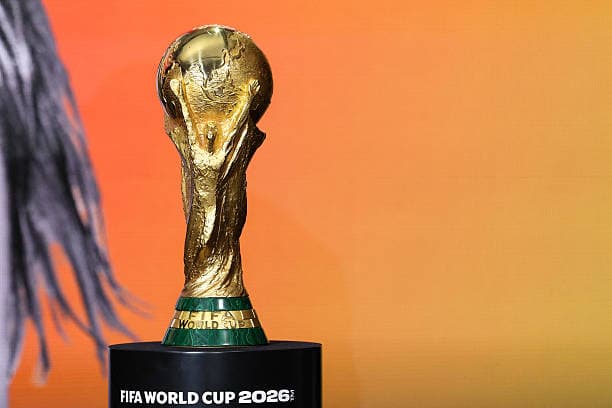
The 2026 FIFA World Cup will not just be the largest tournament ever staged. It will be the most commercially wired, the most data‑driven, and the most closely tied to mobile betting that football has ever seen.
FIFA’s decision to expand the competition to 104 matches across the United States, Canada and Mexico has transformed the calendar. More games, more windows, more airtime. Broadcasters, sponsors, sportsbooks and streaming platforms now stare at a month-long grid of opportunity, with fixtures rolling almost around the clock.
The audience is there. FIFA’s own numbers from 2022 tell the story: the World Cup final between Argentina and France drew an average live audience of 571 million viewers worldwide. That is the scale of attention into which betting brands are now pouring their technology, their marketing and their money.
Mobile phones, odds and a new matchday ritual
For a growing slice of football fans, the matchday routine no longer ends with checking lineups and injury news. It includes checking odds.
By 2026, soccer betting has fused with mobile technology, digital payments, live streaming and instant data in every major football market. Odds swing with every scrap of information: a tight hamstring in training, a tactical tweak in the pre‑match press conference, a surprise omission from the starting XI.
Once the whistle blows, the tempo only accelerates. Sportsbooks update markets within seconds of goals, penalties, red cards or substitutions. Every incident triggers a new set of numbers. The match is no longer just 90 minutes of football; it is a constantly shifting marketplace.
That is why so many fans complete a Betway download or sign up with rival apps in the build‑up to a major tournament. They want fast registration, quick withdrawals and a clean in‑play experience as they follow a World Cup that will be watched by billions. The phone in their hand becomes as much a part of the spectacle as the ball on the pitch.
America’s legal betting wave reshapes the broadcast
The United States has changed the backdrop. Since the 2018 Supreme Court ruling that lifted federal restrictions on sports betting, state after state has rolled out legal wagering frameworks. Licensed operators, mobile apps, advertising deals and integrated betting content have flooded into mainstream sports coverage.
By 2026, American broadcasts are saturated with betting touchpoints. Pregame shows lean on lines and props. Halftime discussions feature live odds. Graphics packages track how the markets react to what unfolds on the field.
During the World Cup, that integration will only intensify. For many casual supporters dipping into the tournament, downloading a sportsbook app such as Betway is one of the first steps toward making the experience feel interactive, not just observational.
Regulators tighten the screws
Governments have not stood still. Regulators across North America, Europe, Latin America and parts of Africa have spent recent years rewriting gambling laws to keep pace with the surge in online wagering around global events.
Brazil is a headline example, moving toward broader online betting regulation and opening a vast, football‑obsessed market to licensed operators. Other countries are following similar paths, trying to balance commercial opportunity with public protection.
Users of regulated platforms can already feel the difference. Stronger identity checks. More rigorous payment verification. Clearer responsible gambling tools. Stricter rules on how, where and when operators can advertise.
For brands, the Betway download process and similar onboarding flows are no longer just about speed. They are showcases of compliance, security and trust at a time when billions of eyes will be on the sport and on the industry built around it.
Another front has opened with prediction markets. Some financial platforms now offer event‑forecasting products tied to sports outcomes, blurring the line between investing and gambling. Regulators are still wrestling with where these products sit: under financial law, gambling law, or a hybrid of both. Taxation, licensing and consumer protection all hang on that decision.
A supersized World Cup, a different betting rhythm
The new World Cup format changes everything for bettors.
Twelve groups in the opening phase. A fresh round of 32 before the traditional knockout stages. More teams, more permutations, more dead‑ball situations and dramatic finales. For sportsbooks, it is a feast: hundreds of extra opportunities for player props, live markets, correct‑score bets, corner counts, card totals and halftime plays.
For fans who like to follow football daily during a major tournament, the rhythm becomes relentless. Multiple kickoff windows across multiple time zones keep the action rolling from morning to night. Search traffic around the Betway download process and rival apps tends to spike in these periods, as supporters rush to open accounts specifically for the dense, day‑after‑day schedule that only a World Cup can deliver.
The expanded field also pulls new nations into the betting conversation. Countries that once watched from afar now have skin in the game. When a team qualifies after years away, interest surges not just in the matches themselves but in tactical previews, injury updates, and every statistical angle that might hint at an edge.
Sportsbooks have moved to meet that demand with multilingual apps, localized promotions, regional sponsorships and country‑specific content. For fans in emerging markets, installing a betting app can feel like part of the buildup, another way of stepping inside a tournament that previously felt distant.
Data, algorithms and the new language of odds
Modern soccer wagering runs on data.
Expected goals, pressing intensity, transition speed, shot quality, defensive pressure, attacking efficiency—these are no longer niche analytics terms. By 2026, they are part of the everyday vocabulary around major tournaments, discussed on studio panels and dissected on social media in real time.
Behind the scenes, sportsbooks plug into live data feeds tracking player movement, substitution patterns, possession trends and tactical adjustments. Algorithms digest the information and adjust prices almost instantly. A change in shape, a tiring full‑back, a spike in shots from one flank—every detail feeds the machine.
Operators connected to systems like the Betway download ecosystem now lean heavily on dashboards and statistical tools, not just to set odds but to present them. Many bettors want more than entertainment; they want context and numbers that help them interpret what they are seeing.
This data‑driven layer changes the emotional pace of betting. With markets available at all times on a device that rarely leaves a fan’s pocket, the line between watching, reacting and staking money has never been thinner.
A generation built for this moment
Younger audiences slide into this world almost effortlessly. They already live inside apps—finance platforms, digital wallets, streaming services, interactive games. Sports betting fits neatly into that ecosystem, another tap‑based experience in a day full of them.
As the 2026 World Cup kicks off across three countries and four time zones, football will meet that reality head‑on. The world’s biggest tournament, in its biggest ever format, will play out in stadiums packed with noise and colour.
But a second arena will run in parallel, lit not by floodlights but by phone screens—where odds flicker, bets settle in seconds, and the modern football fan experiences the World Cup as both spectacle and market.
Related News

FIFA Opens New Football Arenas in Palestine to Support Youth in the West Bank

FIFA World Cup 2026: Complete List of Commentators and Presenters
World Cup 2026 Best XI: Messi, Rodri, Mbappe Lead the Team of the Tournament

Spain's Tactical Mastery Secures Second World Cup Victory in 2026

Top 10 Players of the 2026 World Cup: Mbappe or Messi at the Summit?
Gianni Infantino Responds to Critics Amid 2026 World Cup Celebrations