
World Cup 2026: Rules for Extra Time and Penalty Shootouts Set the Stage for Drama
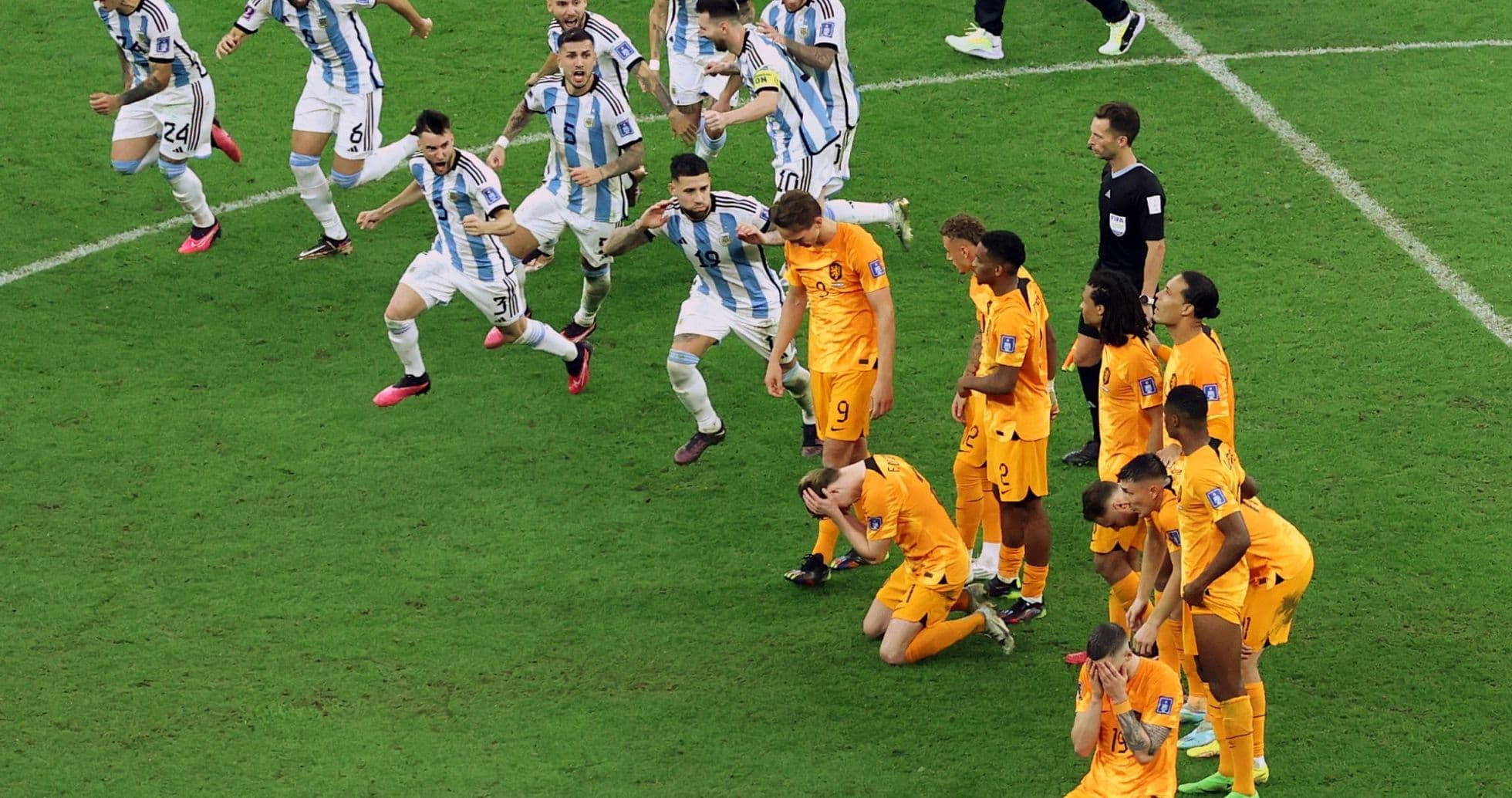
The knockout stage of the World Cup 2026 is already delivering tense moments. In a night full of surprises, traditional powerhouses Germany and Netherlands were both eliminated in penalty shootouts.
Paraguay stunned the four-time champions after a 1-1 draw through extra time, converting the decisive spot kick to send Germany packing. A few hours later, Morocco overcame the Dutch 3-2 in penalties after coming from behind during regular play.
Understanding Extra Time Rules
If teams are tied after the usual 90 minutes, the match extends to extra time—two halves of 15 minutes each, totaling 30 minutes, with a brief interval between them. Unlike earlier tournaments, there are no hydration breaks during this period, but each team gets an additional substitution.
The match continues until the full 30 minutes have passed; scoring does not end the game immediately since the golden goal rule is no longer applied. That rule, which abruptly ended matches upon a sudden winner, was last used in the 1998 and 2002 World Cups.
Penalty Shootout Procedures
If neither side breaks the deadlock after 120 minutes, the contest moves to penalties—a method introduced back in 1978. Two coin tosses decide who kicks first and the goal at which the shootout will take place.
Each team takes five penalties alternately. Only players on the field at the end of extra time can participate, and every player, including goalkeepers, must take a shot before any player can take a second attempt. If scores remain level, sudden death kicks follow.
No rebounds are permitted; if a goalkeeper saves a penalty, players cannot follow up on the ball. Goalkeepers must stay on their line until the ball is kicked, a rule that recently affected Croatia when Dominik Livakovic moved early, allowing a retake for England’s Harry Kane.
Reactions to Penalty Heartbreaks
The Netherlands exit sparked strong opinions. Former striker Zlatan Ibrahimovic criticized coach Ronald Koeman, saying the team lacked its traditional identity and blaming Koeman’s tactics. Thierry Henry echoed these thoughts, suggesting the approach was more about avoiding defeat than pursuing victory.
Koeman defended his strategy, explaining he felt compelled to field five defenders after conceding an equalizer, a decision the team supported despite public criticism.
German fans and media expressed disappointment as well. After Germany’s loss, Bild called the performance "disastrous," labeling the match slow and uninspiring, a stark contrast to their 2014 triumph.
Elsewhere, reactions ranged from Italian congratulations to South American teams, to French commentators calling Germany’s exit the tournament’s biggest shock so far.
Related News

FIFA Opens New Football Arenas in Palestine to Support Youth in the West Bank
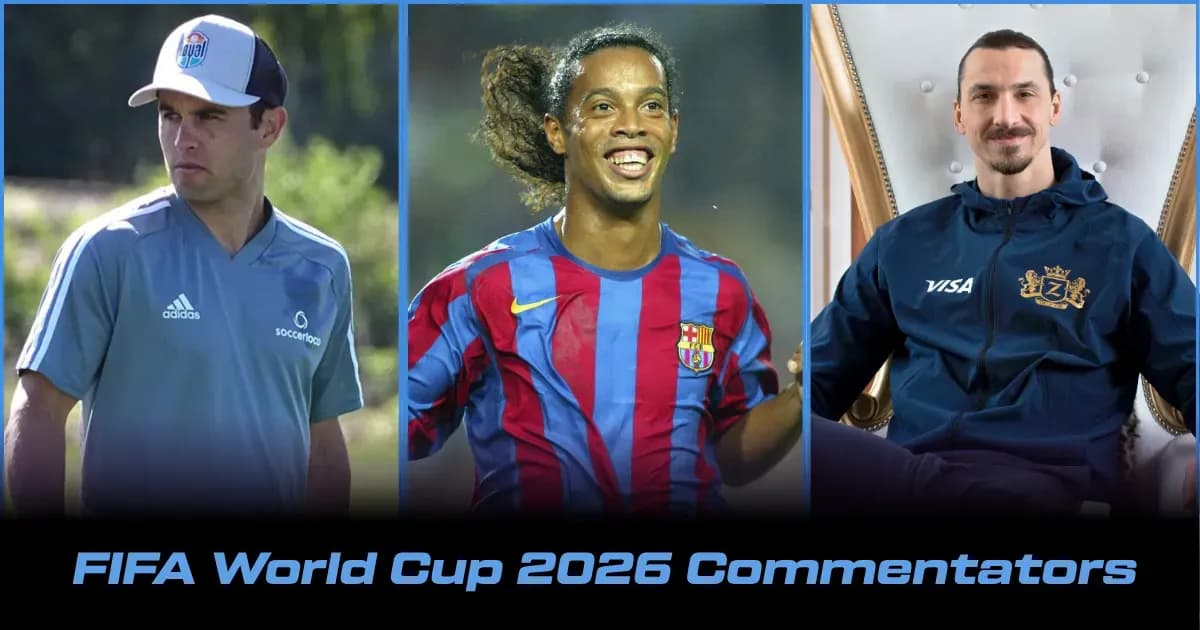
FIFA World Cup 2026: Complete List of Commentators and Presenters
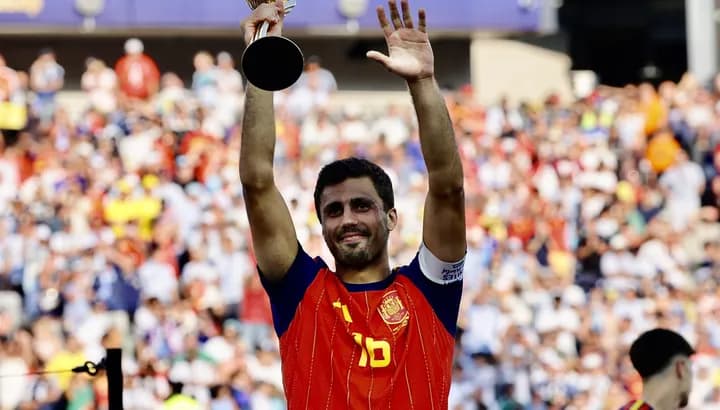
World Cup 2026 Best XI: Messi, Rodri, Mbappe Lead the Team of the Tournament
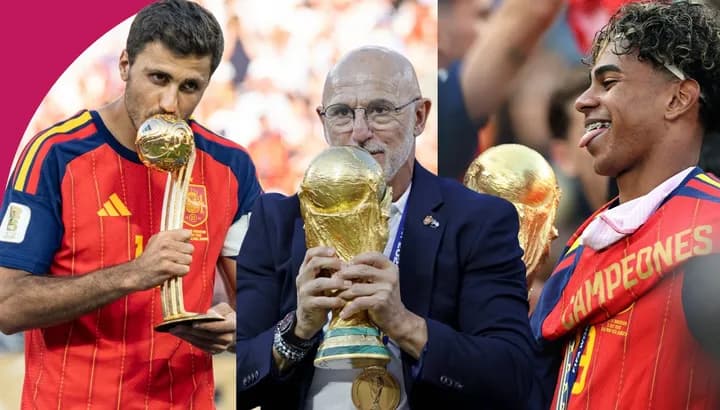
Spain's Tactical Mastery Secures Second World Cup Victory in 2026
Top 10 Players of the 2026 World Cup: Mbappe or Messi at the Summit?
Gianni Infantino Responds to Critics Amid 2026 World Cup Celebrations