
The World Cup Aftermath: What's Next in Football
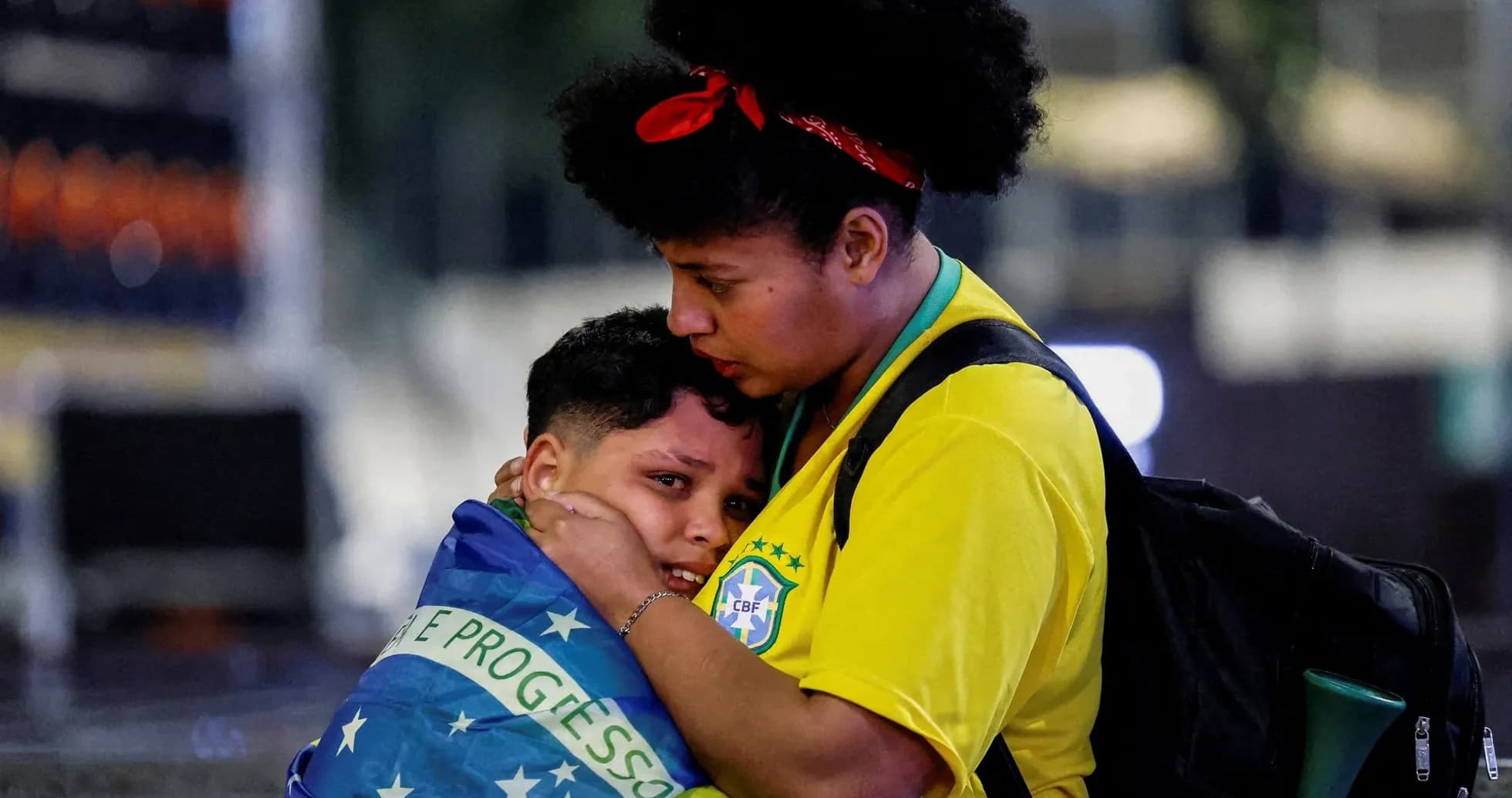
The World Cup is over. The noise has gone, the anthems have faded, and 308 goals from 104 matches now live only in highlight reels and arguments. Forty‑eight nations came and went. One lifted the trophy. Everyone else is left with a gap in the day.
Football, of course, hates a vacuum.
Within weeks, the sport will spool back into its familiar rhythm: club badges, league tables, European nights, qualification grids. The shirts change, the stakes shift, but the ball barely stops rolling.
Here is how the game fills the space the World Cup 2026 leaves behind.
Africa picks up the baton: WAFCON 2026
Seven days after the World Cup final, the spotlight swings to Morocco.
The Women’s AFCON (WAFCON) 2026 kicks off with the hosts facing Kenya on opening day, and the Atlas Lionesses step into a stage their men have recently owned. Morocco’s men reached the World Cup quarterfinals and then stormed to a contentious AFCON 2025 title. The expectation around the women’s side is clear: match that energy, match that ambition.
Nigeria arrive with a target on their back. They are the defending champions and the standard-setters in African women’s football. Ghana, Zambia and Malawi lurk as serious contenders, all named among the favourites before a ball is kicked.
For African fans still riding the high of a historic World Cup showing, WAFCON is not a distraction. It’s the next chapter.
Super Cup stage: PSG, Aston Villa and a marker for Europe
Before Europe’s leagues crackle back into life, there is one glamorous curtain-raiser.
The UEFA Super Cup 2026 drops Paris Saint‑Germain and Aston Villa into a one‑off showdown between the Champions League and Europa League winners of 2025‑26. It’s a meeting that says as much about where Europe stands as any pre-season tour.
PSG arrive as holders, intent on retaining the trophy they lifted in 2025. Aston Villa, under Unai Emery, chase another European title to add to their growing continental pedigree.
The details are set:
- Date: Wednesday, August 12, 2026
- Kick-off: 9pm local time (19:00 GMT)
- Venue: Stadion Salzburg, Salzburg, Austria
It’s a single night, a single game, but it will frame the early narrative of the European season.
Champions League: a new campaign, a new grid of hope
The continent’s elite competition returns in September, and with it the annual scramble for supremacy.
The UEFA Champions League league stage begins in the second week of September and runs through to May 2027. Thirty‑six clubs will step into a revamped format, but for fans the calculation is the same as ever: survive, advance, dream of the final.
On Thursday, August 27, in Nyon, Switzerland, the draw will sketch out the season’s first big storylines. Twenty‑nine teams have already booked their places on the back of last season’s work. Seven more will fight their way through qualifying to complete the field.
By that evening, every club will know its path. Or at least the first bends in it.
Premier League: champions Arsenal open the gates
No league returns with quite the same noise.
The Premier League 2026‑27 season is less than a month away, and champions Arsenal have the honour and the pressure of kicking it off. The Emirates Stadium hosts the opening fixture as Arsenal begin their title defence against Coventry City on Friday, August 21, at 8pm (19:00 GMT).
The first weekend offers immediate intrigue:
- Hull City vs Manchester United – Saturday, August 22, 12:30pm (11:30 GMT)
- Manchester City vs Bournemouth – Sunday, August 23, 2pm (13:00 GMT)
- Newcastle United vs Liverpool – Sunday, August 23, 4:30pm (15:30 GMT)
- Fulham vs Chelsea – Monday, August 24, 8pm (19:00 GMT)
New managers, new signings, old rivalries. The World Cup glow will barely have faded when the domestic grind begins again.
La Liga: world champions back on home soil
Spain’s World Cup winners now return to their day jobs.
La Liga’s new season opens on August 15, when Alaves host Getafe at 17:30 GMT. Atletico Madrid then welcome Malaga on August 19 at 18:00 GMT, but the real noise gathers around Barcelona and Real Madrid.
Record 36‑time champions Real Madrid will fold their World Cup stars back into club colours: Kylian Mbappe, Jude Bellingham and Thibaut Courtois among them. Across the divide, Barcelona lean heavily on the spine of Spain’s world champions – Lamine Yamal, Pau Cubarsi, Gavi, Pedri and decisive goalscorer Ferran Torres.
The schedule adds a twist.
Barcelona, the reigning La Liga holders, were due to open against Athletic Bilbao, but that match has been pushed to August 27. Instead, they start away at Elche on August 23.
Real Madrid also see their plans reshaped. Their home opener against Real Sociedad has been moved to August 26, which means Jose Mourinho’s first La Liga match of his second spell in charge will now be away at Espanyol on August 22.
A familiar rivalry, a new cast of world champions, and Mourinho back in Madrid. The league does not ease itself in.
Serie A: domestic pride after international pain
Italy watched the World Cup from the outside again. For a third straight tournament, the Azzurri failed to qualify. The hurt runs deep.
Serie A, then, becomes a release valve.
The 2026‑27 campaign begins on August 22, with a slate of fixtures that immediately tests the heavyweights:
Saturday, August 22
- Inter Milan vs Monza – 16:30 GMT
- Genoa vs Napoli – 18:45 GMT
Sunday, August 23
- Frosinone vs Juventus – 16:30 GMT
- Atalanta vs Sassuolo – 18:45 GMT
- Torino vs AC Milan – 18:45 GMT
Monday, August 24
- AS Roma vs Fiorentina – 18:45 GMT
For Italian fans, the league offers what the national team has not: a weekly arena where their clubs still stand among Europe’s elite.
Europe’s road to the next World Cup: a new qualifying map
The next World Cup cycle in Europe will look very different.
UEFA is moving away from the traditional small qualifying groups and into a two‑tier league structure. The 36 highest‑ranked nations form League A, operating under a Swiss‑system format reminiscent of the Champions League’s new design. The remaining 19 countries drop into League B.
Each team will play six qualifying matches in the initial phase. Promotion, relegation and a series of play‑offs will then shape the list of European qualifiers.
The format changes. The pressure does not.
UEFA Nations League: Spain defend, Ronaldo and England chase
Before the new World Cup qualifiers fully bite, the UEFA Nations League returns to provide both competition and a pathway.
Spain, champions of Europe and the world, lead the charge. Their status turns every fixture into a test of everyone else’s level.
Cristiano Ronaldo’s Portugal open the next matchday against Wales on Thursday, September 24, at 18:45 GMT. Two days later, World Cup semifinalists England host Spain on Saturday, September 26, also at 18:45 GMT.
For some nations, it’s silverware on the line. For others, it’s positioning, seeding and momentum before the next global cycle.
Africa’s next World Cup race: a bigger stage, a longer road
Africa’s World Cup 2026 campaign was historic: 10 representatives, nine of them into the knockouts. The continent has rarely felt so competitive, or so confident.
The next qualification journey is expected to begin in September 2027 and run through to 2029, based on FIFA’s international match calendar and past cycles. One place is already spoken for: Morocco, as a cohost of the 2030 tournament, qualify automatically.
The rest of CAF’s nations fight for the remaining spots. Africa is projected to have nine direct qualification berths, with the possibility of a 10th via the inter‑confederation playoffs if FIFA maintains the current allocation.
With more seats at the top table, the battle to reach it only intensifies.
Asia’s response: rebuilding after a bruising World Cup
Asia leaves this World Cup with questions.
Only Australia escaped the group stage, and their run ended in the round of 32 at the hands of Egypt. For a confederation that has grown steadily in recent decades, this tournament stung.
The response will come in the 2030 World Cup qualifiers. The Asian Football Confederation (AFC) is expected to start its qualification campaign in late 2027, with the first fixtures likely in October or November. The official schedule is not yet confirmed, but planning documents and the international calendar point firmly to that window.
Once it starts, it will run for almost two years. Long enough for new powers to emerge. Or for the old ones to reassert themselves.
The World Cup 2026 may have closed its doors, but football has already queued up its next acts: continental showpieces, domestic sagas, and the first sketches of who will stand tallest in 2030. The question now is not whether the void will be filled.
It’s who will seize it.
Related News

UFC 332 Preview: Natalia Silva vs. Wang Cong Fight Card, Odds, Start Time, and Details
Andy Roddick Responds to Andre Agassi’s Comments on Alexander Zverev at the Laver Cup

Knicks Prepare for Flexible Roles in Title Defense

Rui Hachimura Swaps Lakers Fans to Clippers in Surprising Jersey Exchange

Who Will Be the NBA's Next First-Time All-Stars? Top Picks and Long Shots for 2027
How Strong Is Your Team at Home? Check Out the 2026 Brasileirão Home Standings