
The 2026 World Cup Captivated the U.S. and Defied Global Expectations
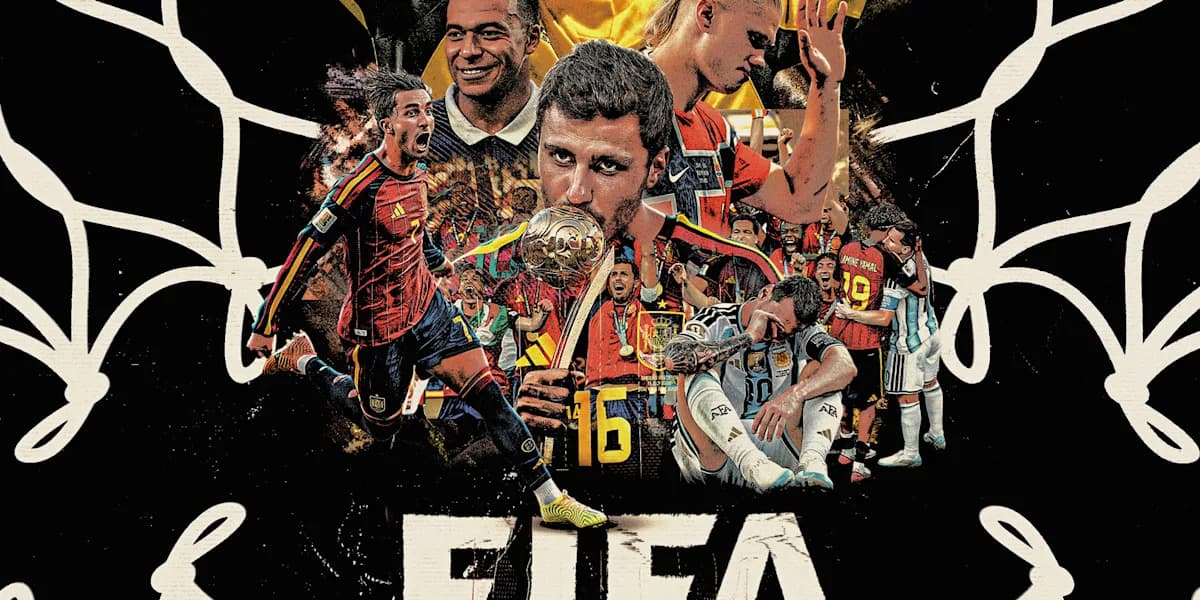
The 2026 World Cup captured attention across the United States and beyond, transforming indifferent observers into engaged fans, casual viewers into passionate supporters, and reaffirming the devotion of long-time enthusiasts. Despite initial doubts about America's ability to host and embrace the tournament, the event proved critics wrong on multiple fronts.
Inside the World Cup Experience
Covering a specific team often means missing the broader festival that unfolds around the tournament. Traveling between training sessions and games, gathering quotes, and catching brief moments of rest took much of the focus away from soaking in the full scope of the event. Still, the atmosphere was palpable — from merchandise to TV ads featuring Timothée Chalamet, the excitement buzzed just beneath the surface.
The true impact hit after the U.S. team's early exit. Following the Spain-France semifinal in Dallas, anticipation built for the Argentina-England match during a flight home. Passengers eagerly inquired about live TV availability on board, and when England scored, cheers erupted mid-flight. The tension grew as Argentina equalized and then scored again, sparking celebration even as the cabin crew prepared for landing. Football had claimed the moment, even in the skies.
The World Cup's Reach Across the Continent
Outside the stadiums and flights, fans crowded airport bars to catch highlights and debated key matches with strangers. Conversations with Uber drivers and fellow travelers revealed a shared enthusiasm. This World Cup bridged gaps, turning the U.S. into a more soccer-savvy nation. It moved beyond a niche interest, becoming an event that united diverse communities across the continent.
Many questioned whether the U.S. could deliver a vibrant World Cup experience, but attendance remained strong despite high ticket prices and a demanding schedule of 104 matches. Mexico’s rich soccer culture and Canada’s British ties provided a foundation of fandom, but it was the U.S. that took a significant leap forward in soccer maturity. The sport is now more accessible than ever, no longer hidden on obscure channels or late-night broadcasts.
Record-Breaking Viewership and Memorable Stories
Television ratings soared, with Fox and Telemundo drawing 50 million viewers for the U.S.-Belgium game and 45 million for Mexico-England. Only the NFL surpassed these numbers in the American sports landscape. The tournament’s expanded format allowed unexpected narratives to emerge, such as Cape Verde’s surprising advance to the knockout stage, challenging legends like Lionel Messi and Argentina.
Fans from Norway, the Netherlands, Scotland, Argentina, Algeria, and Spain brought their cultures to life in cities large and small. Even ranch dressing gained unexpected popularity. Rodri, Spain’s midfielder and Golden Ball winner, connected personally with the U.S., recalling his teenage years at a camp near MetLife Stadium, where the final took place.
Legends, Rising Stars, and National Pride
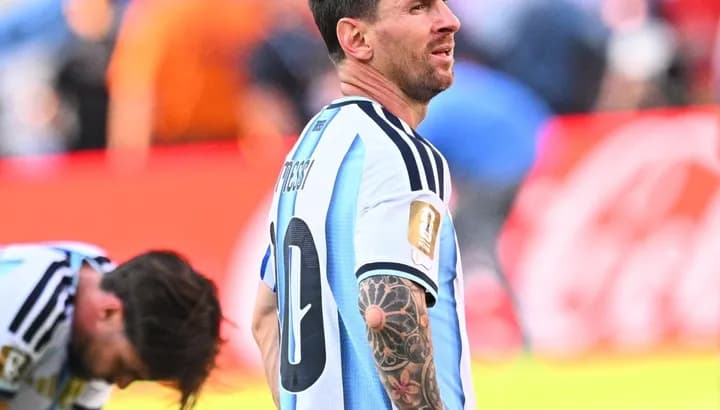
Lionel Messi, at 39, demonstrated that age is no barrier to greatness. In his sixth World Cup, he dazzled with skill and determination, finishing second in the Golden Boot race behind France’s Kylian Mbappé. Spain’s tight defense largely neutralized him in the final.
New heroes emerged for American fans: Norway’s Viking-like striker Erling Haaland, Cape Verde’s veteran goalkeeper Vozinha, and U.S. forward Folarin Balogun, who scored and handled adversity with dignity amid chaos. The U.S. team inspired many not only by winning their first two group matches but through their style and spirit, even in defeat to Belgium.
Hosts’ Mixed Fortunes and African Success
Alongside the U.S., both Canada and Mexico made history—Canada won its first World Cup matches, while Mexico thrilled crowds at the iconic Estadio Azteca before a tough loss to England in what many called the tournament’s best match. Brazil and Germany, despite their storied histories, exited earlier than expected. Morocco confirmed its rising status, reaching the quarterfinals after knocking out the Netherlands and Canada.
African nations overall performed strongly, adding to the tournament’s diverse tapestry. Meanwhile, Christian Pulisic struggled with injury, leaving before the crucial games.
Star Performances and Spain’s Collective Triumph
The tournament showcased top talent: Mbappé cemented his place as the highest World Cup scorer; Messi mesmerized; Haaland and England’s Harry Kane scored prolifically; and playmakers Jude Bellingham and Michael Olise dazzled.
Spain’s team, known for possession and pressure rather than individual stars, controlled matches with precision. Their victory marked a milestone for both men’s and women’s Spanish soccer.
The final lacked flair and could have been decided earlier, but Spain’s win crowned a month of thrilling football across a continent that embraced the sport with open arms.
Related News

FIFA Opens New Football Arenas in Palestine to Support Youth in the West Bank
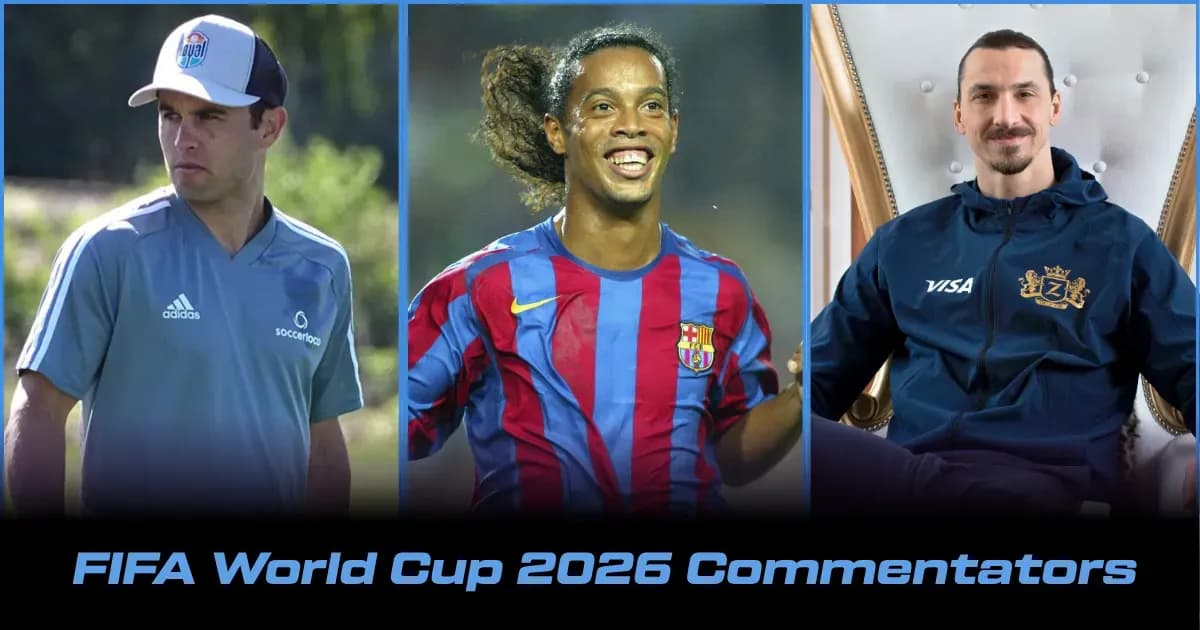
FIFA World Cup 2026: Complete List of Commentators and Presenters
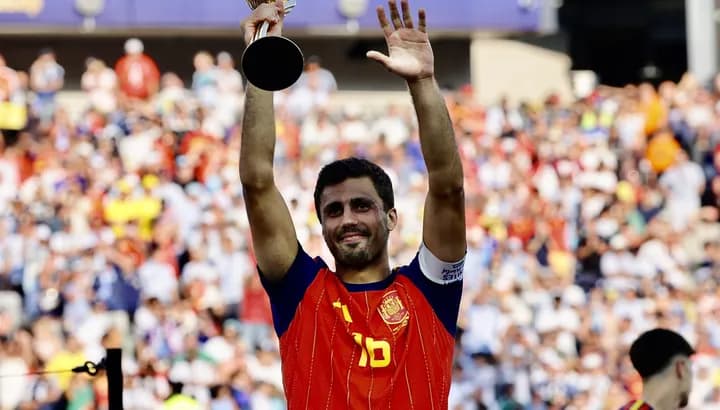
World Cup 2026 Best XI: Messi, Rodri, Mbappe Lead the Team of the Tournament
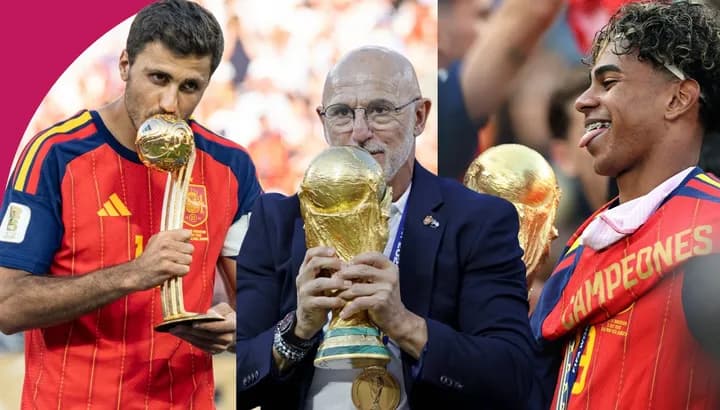
Spain's Tactical Mastery Secures Second World Cup Victory in 2026
Top 10 Players of the 2026 World Cup: Mbappe or Messi at the Summit?
Gianni Infantino Responds to Critics Amid 2026 World Cup Celebrations