
2026 World Cup: A Stunning Football Showcase Tainted by Politics and Profit
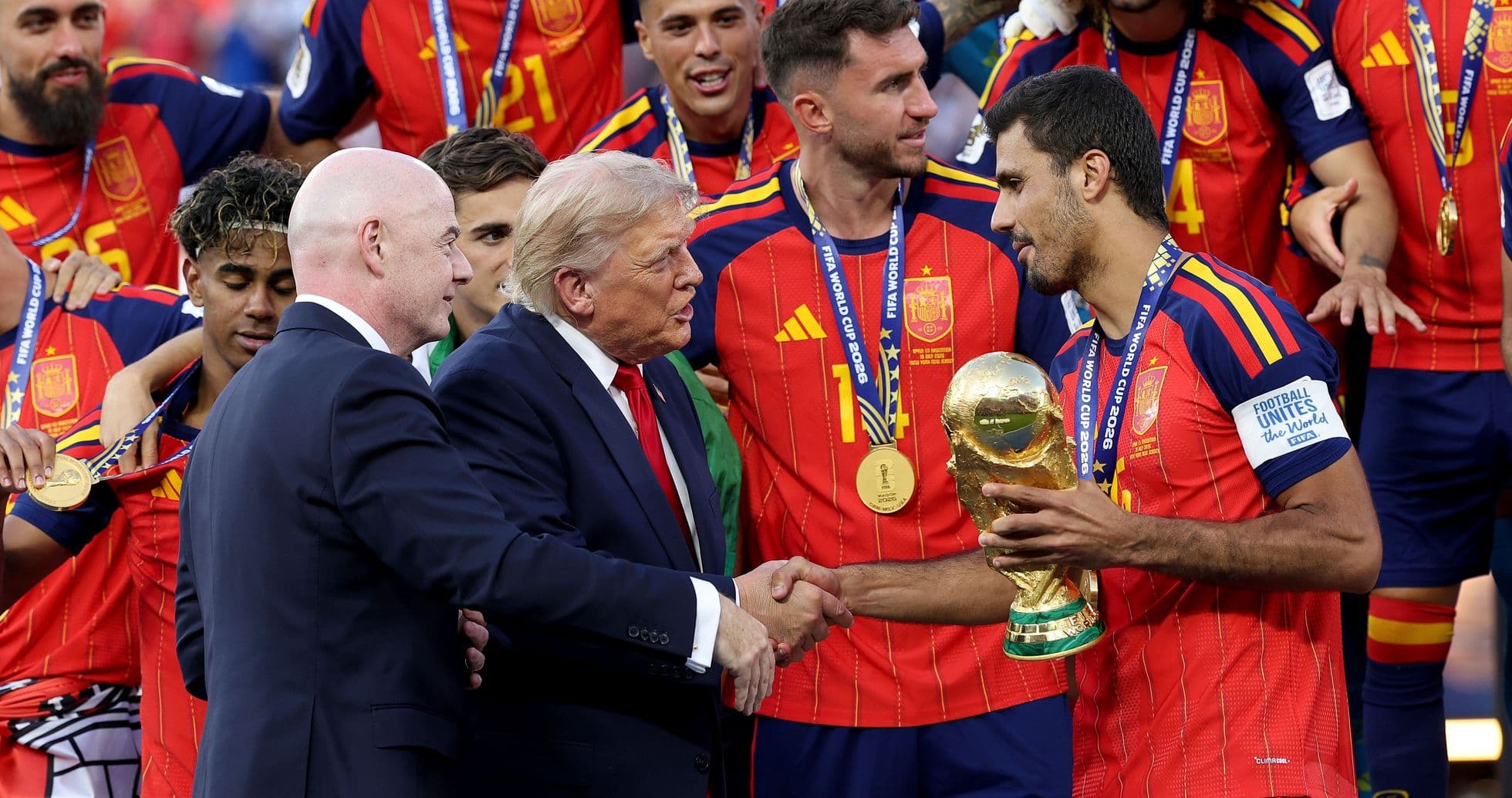
The 2026 World Cup offered a striking mix of thrilling football and off-field controversies. While the tournament shone with the brilliance of elite players and Spain's historic double victory, it was also shadowed by political meddling and commercial choices that raised questions about FIFA's openness.
Fans experienced pure football joy with spectacular goals, memorable celebrations—including Norway's naval salute—and intense matches running from morning to late night. The presence of every top team and star player, unlike some past tournaments such as 2002 or 2010, gave the event an Oscars-like prestige.
Stars Who Left Their Mark
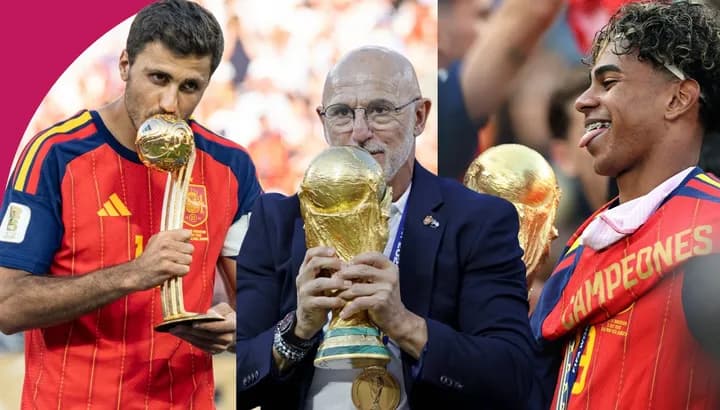
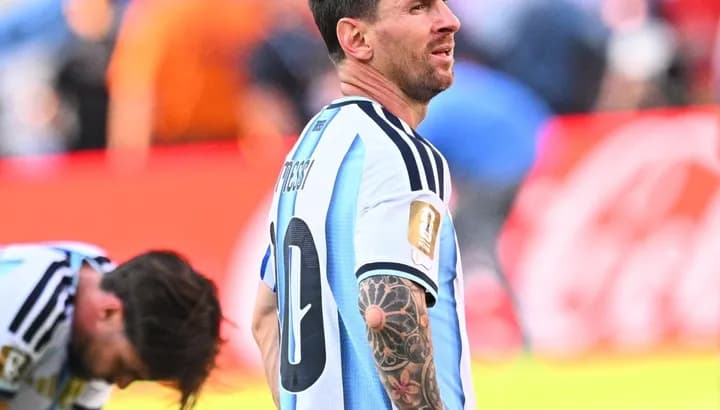
Kylian Mbappé claimed the Golden Boot, narrowly beating Lionel Messi and Jude Bellingham. The semifinals featured the world's top four teams, while Erling Haaland popularized Norway's iconic celebration worldwide. Spain made history by holding both the men’s and women’s World Cup titles simultaneously.
Several teams achieved milestones: Canada won their first knockout game, Mexico advanced further than expected, pushing England to the edge in one of the tournament's best matches, and the United States amazed by winning three group-stage matches and scoring 11 goals, their highest ever tally. The scenes in Seattle after beating Australia captured the nation's newfound passion for their men's team.
The Shadow Cast by Money and Politics
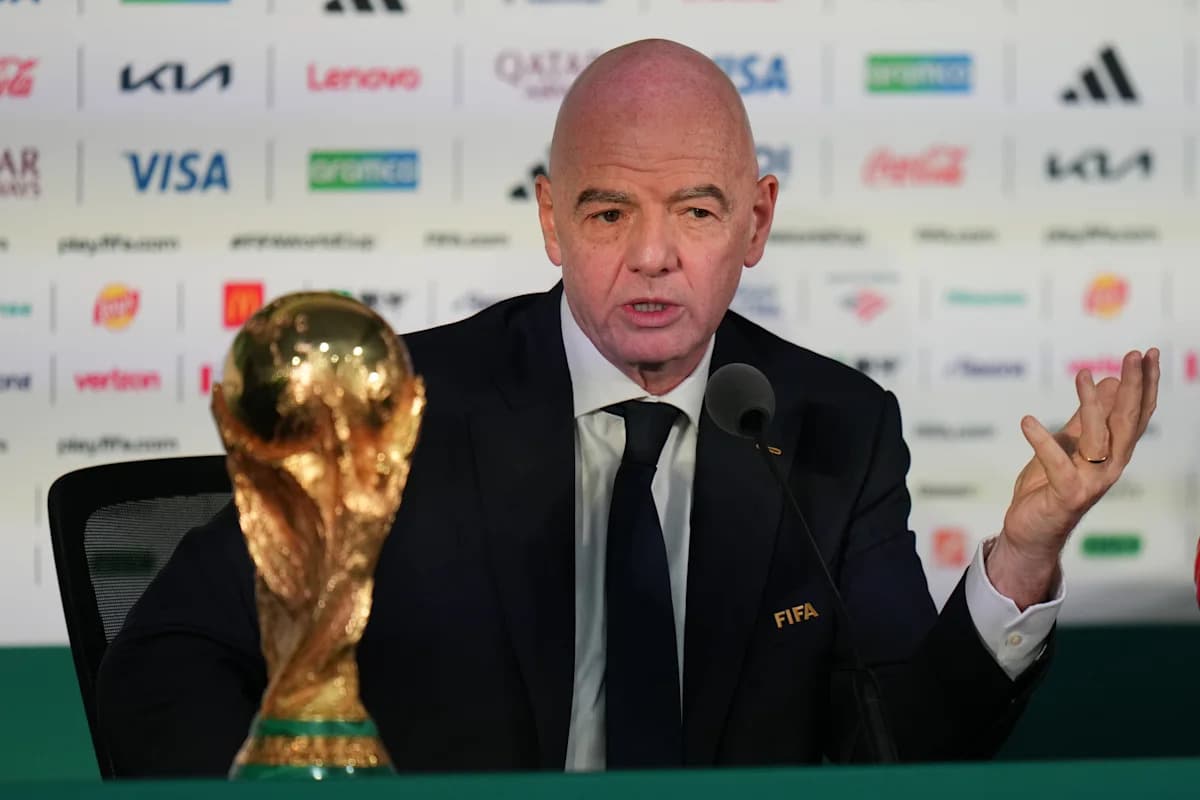
Behind the scenes, FIFA's influence stirred debate and mistrust. Questions arose over video technology decisions and how political figures affected player suspensions. For example, former President Donald Trump and the US government intervened to overturn a suspension on attacking star Folarin Balogun, undermining fans' faith in the game's fairness.
Organizers introduced mandatory breaks during matches, a first that allowed commercials to air mid-play, disrupting the sport's flow for financial gain. Ticket pricing strategies also left many supporters excluded, as FIFA earned commissions from secondary market sales.
Other issues included controversial outcomes in the third-round group stages and the difficult situation for Iran, a nation at war with a host country, uncertain about travel arrangements. These problems underscored a pattern of prioritizing money and influence over the spirit of the competition.
A Tournament of Contrasts
This World Cup brought moments of beauty alongside troubling incidents. Scottish fans found a deep connection with Boston, Kansas embraced Algeria's team, and Lionel Messi once again proved his clutch abilities. Cristiano Ronaldo scored in his farewell game, while Cape Verde emerged as unexpected crowd favorites.
Still, these positives were marred by scandals and administrative lapses. Fans worldwide were reminded that even the biggest sporting events struggle under the weight of politics and profit.
Looking Ahead
The massive revenue generated will help FIFA expand football into new regions, yet it also fuels a relentless commercial engine. Plans for future tournaments, possibly co-hosted by the United States again around 2038, seem inevitable. Whether this leads to progress or repeated controversies remains to be seen.
The 2026 World Cup ended with mixed feelings: awe-inspiring on the pitch but troubling off it. Yet the global crowd is already eager for the next chapter in this complex story.
Related News
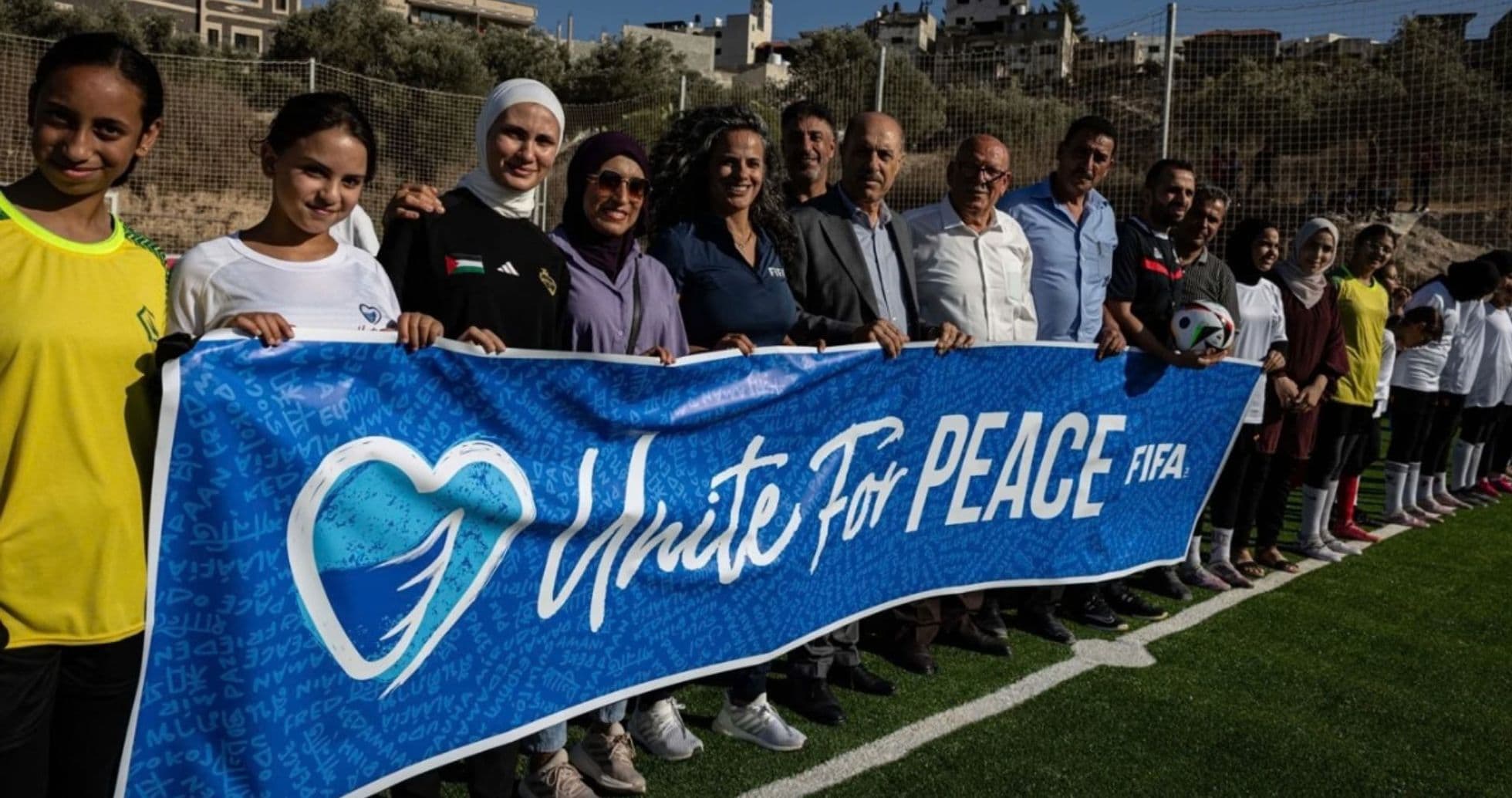
FIFA Opens New Football Arenas in Palestine to Support Youth in the West Bank
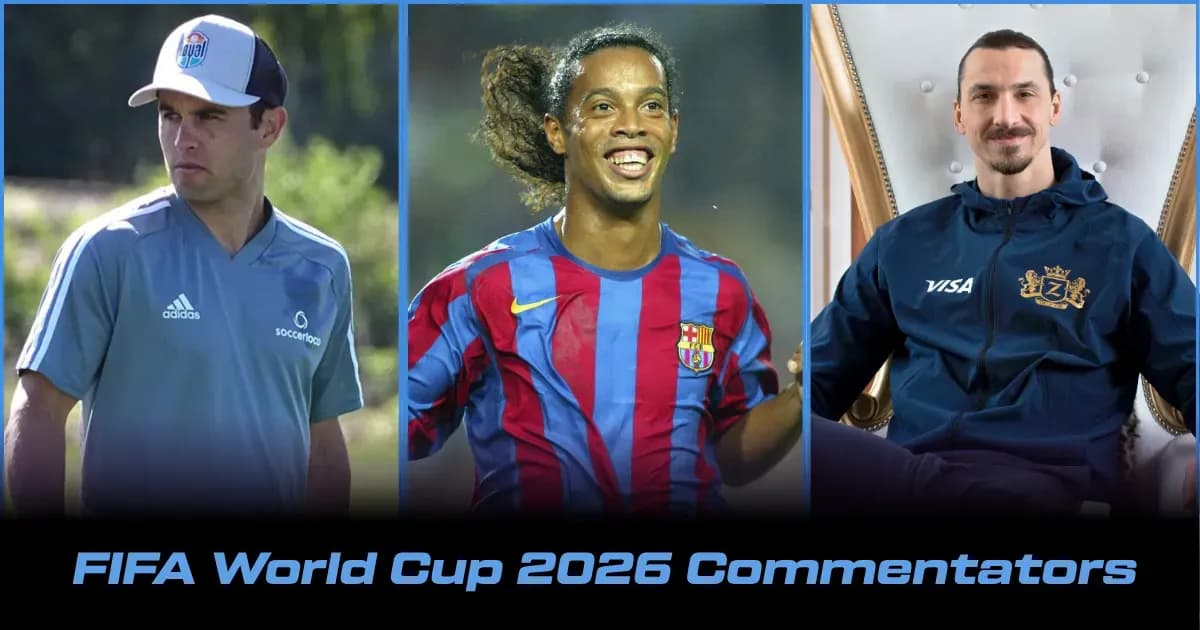
FIFA World Cup 2026: Complete List of Commentators and Presenters
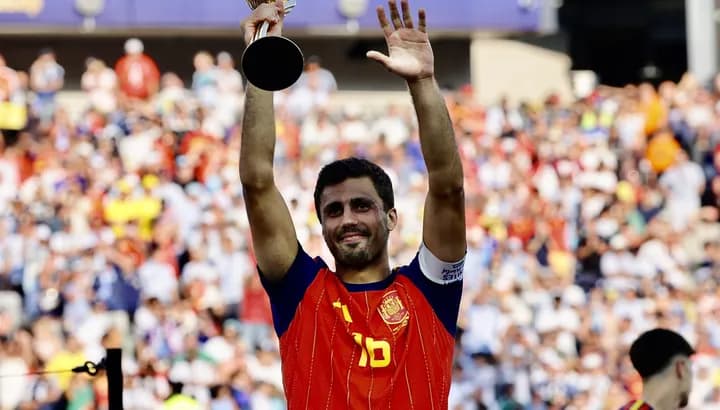
World Cup 2026 Best XI: Messi, Rodri, Mbappe Lead the Team of the Tournament
Spain's Tactical Mastery Secures Second World Cup Victory in 2026
Top 10 Players of the 2026 World Cup: Mbappe or Messi at the Summit?
Gianni Infantino Responds to Critics Amid 2026 World Cup Celebrations