
Africa's 2026 World Cup Journey: Underdogs, Historic Moments, and Heartbreaking Exits
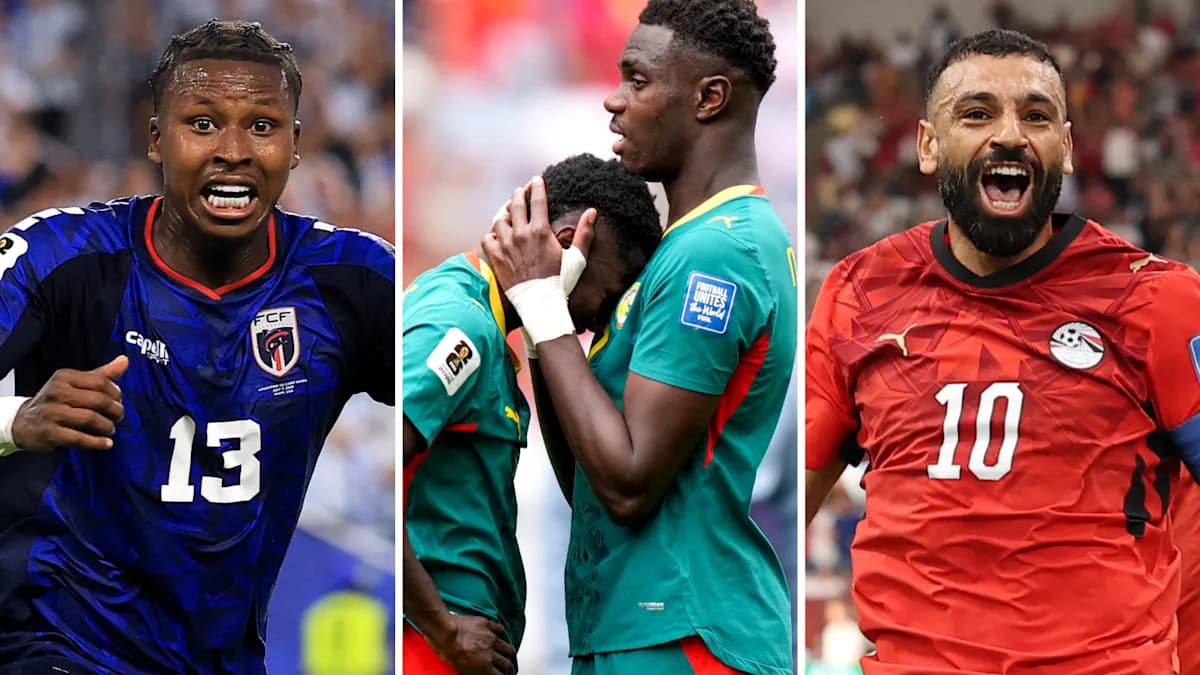
The 2026 FIFA World Cup featured Africa's largest ever representation with 10 teams competing. Despite some inspiring performances and historic firsts, the tournament ended with mixed results for the continent.
Confederation of African Football (CAF) president Patrice Motsepe praised the teams for making Africa’s 1.6 billion people proud. Yet only Morocco advanced as far as the quarter-finals, while five teams exited after conceding late goals, a pattern that proved costly.
Historic Milestones for African Nations
Cape Verde made their World Cup debut and reached the last 32, an achievement that captured global attention. Both Egypt and DR Congo recorded their first-ever World Cup wins. Meanwhile, Ivory Coast and South Africa also progressed beyond the group stage for the first time.
Looking ahead to 2030, when the World Cup returns to Africa co-hosted by Morocco, Spain, and Portugal, these experiences could shape future strategies.
Underdogs Steal the Spotlight
Cape Verde emerged as the tournament’s surprise story. After draws against Spain, Uruguay, and Saudi Arabia, the Blue Sharks pushed defending champions Argentina to extra time in a thrilling 3-2 loss. Their goalkeeper Vozinha became an internet sensation, skyrocketing from 50,000 to over 29 million Instagram followers.
Defender Roberto Pico Lopes expressed pride in their performance, emphasizing their small nation’s big heart and belief in what they can achieve.
Morocco Shows Continental Strength
Morocco continued to assert themselves as Africa’s top-ranked team, becoming the first African side to reach back-to-back World Cup quarter-finals. However, like in 2022, France ended their run.
Under coach Mohamed Ouahbi, Morocco adopted a more expansive playing style. Young midfielder Ayoub Bouaddi, just 18, stood out, attracting interest from Europe’s top clubs.
The Curse of Late Goals
Late goals haunted several African teams. Senegal lost to Belgium after leading 2-0 with just five minutes left, succumbing to a 125th-minute penalty. Egypt blew a two-goal advantage against Argentina, exiting on a 92nd-minute header by Enzo Fernandez.
DR Congo, Ivory Coast, and South Africa also fell victim to goals scored in injury time during knockout rounds. The tendency raised questions about African sides’ ability to hold leads.
Dr Nikita Rowley, a sport psychologist, suggested that fatigue affects players’ focus and decisions late in matches, making errors more likely. The pressure of historic moments adds psychological strain that can undermine performance.
Lessons and Growth Ahead
The expansion to 48 teams benefited Africa, increasing guaranteed spots from five to nine, plus DR Congo’s qualification through playoffs. Most teams passed the group stage, pointing to improved competitiveness.
Gambian coach Mattar M Boge highlighted that many African players lack experience in high-pressure matches compared to their European and South American counterparts. The introduction of a Nations League in Africa could help develop consistency and resilience.
Disappointments and Challenges
Tunisia underperformed, firing coach Sabri Lamouchi after a heavy 5-1 loss to Sweden and failing to recover under Herve Renard. Ghana, despite reaching the knockout stage for the first time since 2010, showed a weak attack with no shots on target in their exit game against Colombia.
Off-field Obstacles
The tournament exposed visa and access issues for African fans and officials. Supporters from Ivory Coast and Senegal faced visa denials or steep deposit requirements. Somalia’s top referee Omar Artan was denied entry to the US shortly before the World Cup, despite having proper documentation.
FIFA faced criticism for these decisions, especially after suspending a ban for US striker Folarin Balogun. CAF remained publicly silent while UEFA condemned the actions.
A Future With More Opportunities?
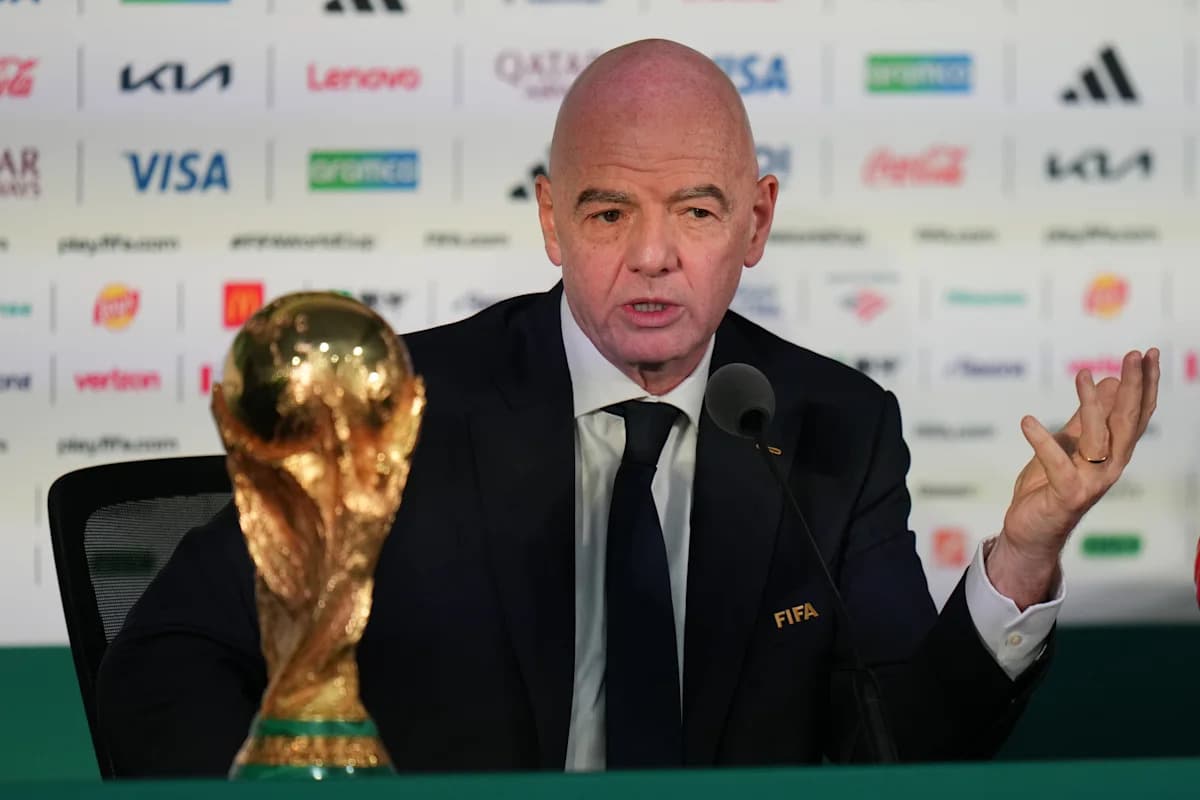
Following this World Cup, FIFA President Gianni Infantino suggested a 64-team World Cup might be possible, potentially creating even more chances for African nations.
Though 2026 brought new milestones, progress feels slow. We think Africa's teams still have plenty to prove on the world stage but showed flashes of real promise this time around.
Related News
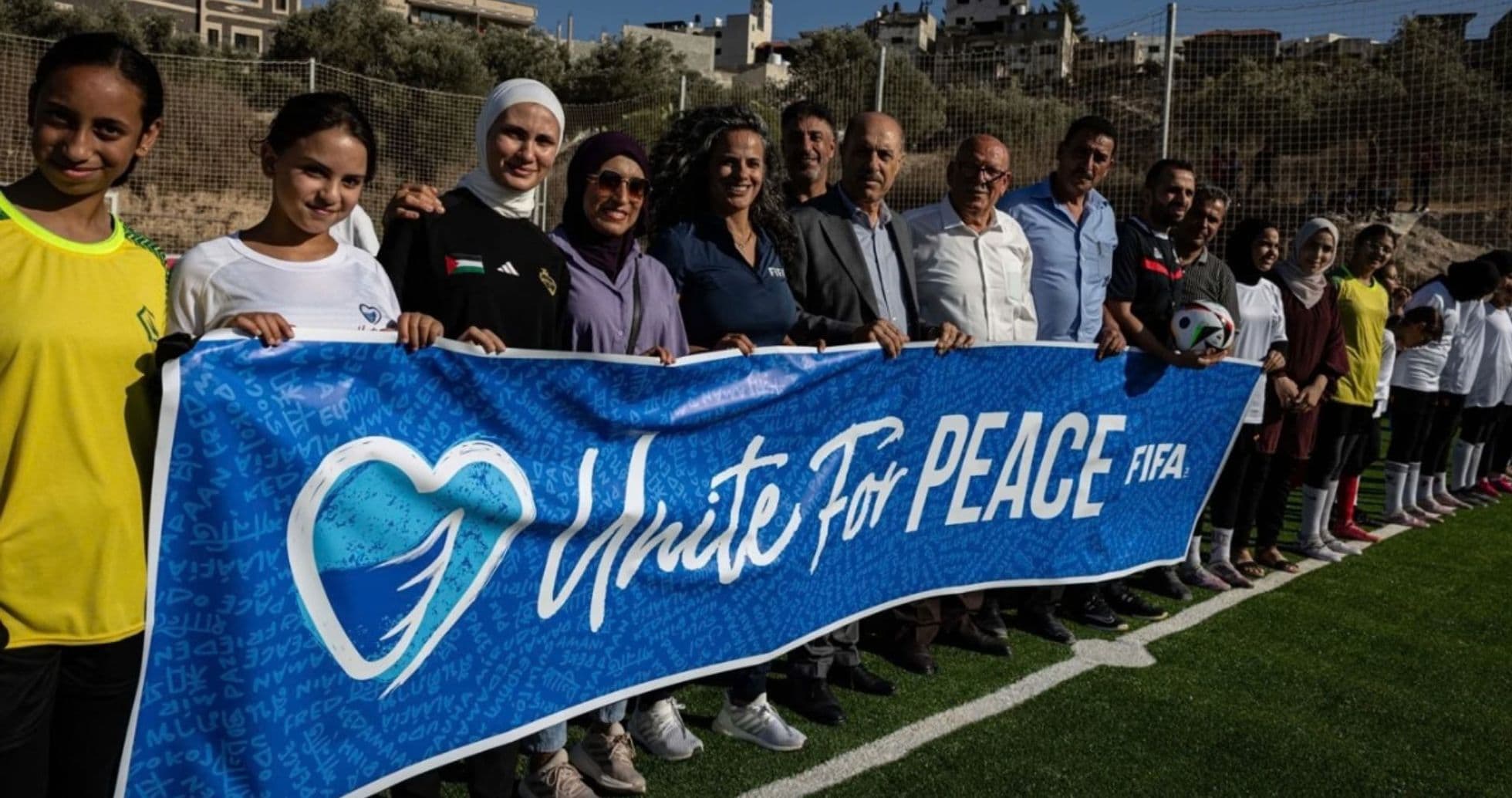
FIFA Opens New Football Arenas in Palestine to Support Youth in the West Bank

FIFA World Cup 2026: Complete List of Commentators and Presenters
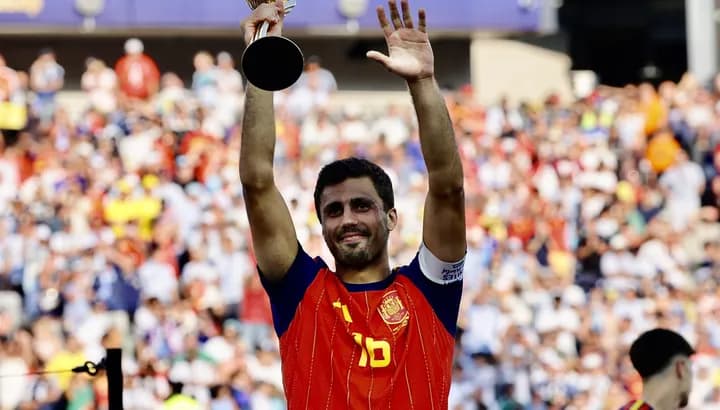
World Cup 2026 Best XI: Messi, Rodri, Mbappe Lead the Team of the Tournament
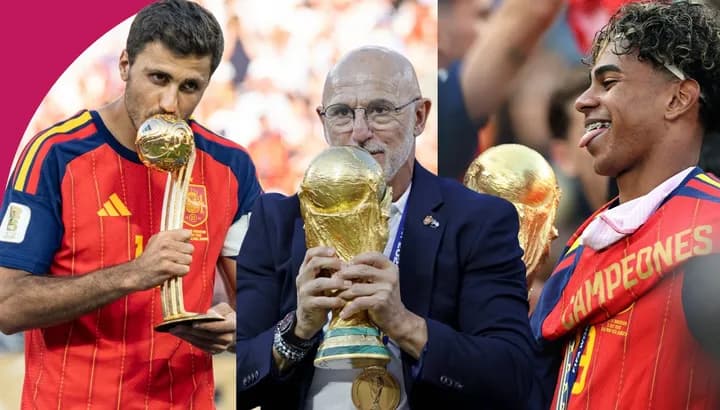
Spain's Tactical Mastery Secures Second World Cup Victory in 2026
Top 10 Players of the 2026 World Cup: Mbappe or Messi at the Summit?
Gianni Infantino Responds to Critics Amid 2026 World Cup Celebrations