
Al-Ahly's Coaching Dilemma: Choosing Bosic for Immediate Impact
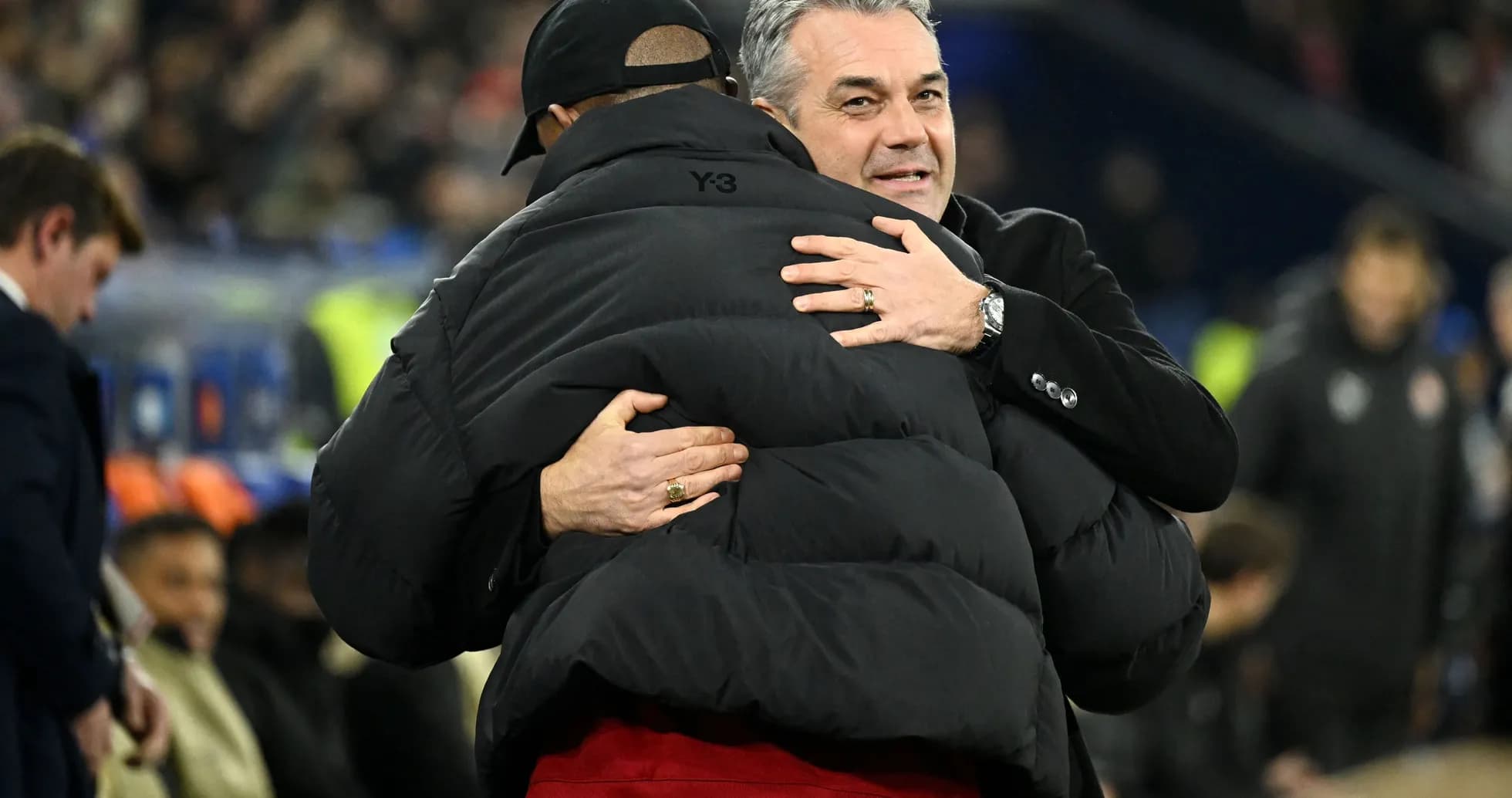
Al-Ahly didn’t have the luxury of time. The moment Matthias Jaissle walked away, the clock started screaming. A new season loomed, fixtures closing in, and every day without a coach felt like a step backwards.
The club knew what it wanted: a heavyweight name from Europe, a statement appointment. But the market didn’t care about Al-Ahly’s urgency. The elite coaches were locked into contracts, deep into their own projects, or simply unwilling to inherit a squad days before competitive football returned. Top-tier managers prefer to build from pre-season, not parachute into chaos.
And the big names came with big conditions. Control over transfers. Freedom to hand-pick their backroom staff. Authority over the entire preparation programme. They wanted the keys to the club, not just the dressing room. At this stage, Al-Ahly couldn’t hand over that level of power without disrupting the entire structure.
So the club pivoted. That’s where Bosic entered the frame.
He wasn’t the loudest name on the market, but he was the one ready to walk through the door immediately. More importantly, his footballing philosophy ran almost parallel to what Al-Ahly had already built under Jaissle. For a club racing the calendar, that mattered more than any headline.
Bosic, the Dutchman, arrives with a clear identity: attacking football, aggressive pressing, tactical flexibility. He wants his side to dominate the ball, move it quickly, and transition with purpose. Those principles have defined Al-Ahly in recent seasons and powered their success domestically and across the continent. This is not a revolution. It’s a continuation.
That continuity is the bet. The board believes the players won’t need to unlearn their habits or wrestle with a completely new system. No ripping up the playbook, no identity crisis. The new staff’s task is to sharpen and evolve what already exists, not to build from rubble. In theory, that should give Al-Ahly a smoother start when the season kicks off.
Of course, Bosic doesn’t arrive as an unknown. His coaching record carries weight, but it also counts for only so much here. This job will judge him on what he does with “the classy one” now, not what he did with anyone else before. The past buys him credibility, not guarantees.
What he steps into is a dressing room built for trophies. This is a squad assembled to win, not to “compete” or “develop.” It is packed with stars, and a fanbase that has grown used to seeing silverware lifted, not just chased. The expectations are not high; they are unforgiving. From day one.
That pressure shapes everything. Every selection, every tweak in shape, every substitution will be read through the lens of a club that measures itself in titles. Bosic must impose his character without breaking what works, push the team forward without losing the edge that made them feared.
And that’s where the real gamble lies. Not in the name on the office door, but in what happens on the pitch.
Big reputations don’t win matches on their own. No coach, however experienced, walks in with a magic wand. Bosic will need time to embed his ideas, support from above when the first setback hits, and stability around him if he’s to leave a real imprint on this team.
If he gets that, Al-Ahly’s decision could look like a shrewd, calculated move: a club protecting its identity while keeping its ambitions intact. If he doesn’t, this appointment may be remembered as a choice forced by the clock rather than by conviction.
Related News
Carlos Alcaraz Urges an End to Matches Ending in the Early Hours
Carlos Alcaraz Criticizes Late US Open Finish After 3:30 a.m. Match
Jannik Sinner Set for ATP 500 Return in Beijing with Novak Djokovic Also Competing

Meet Iva Jovic: The American Tennis Prospect Making Waves
Flavio Cobolli Shares Insights on Practice Session with Jannik Sinner Ahead of Comeback

Till vs Romero: Fight Details, Undercard, and Viewing Info for This Weekend