
Racing Louisville vs San Diego Wave: Tactical Analysis of NWSL Clash
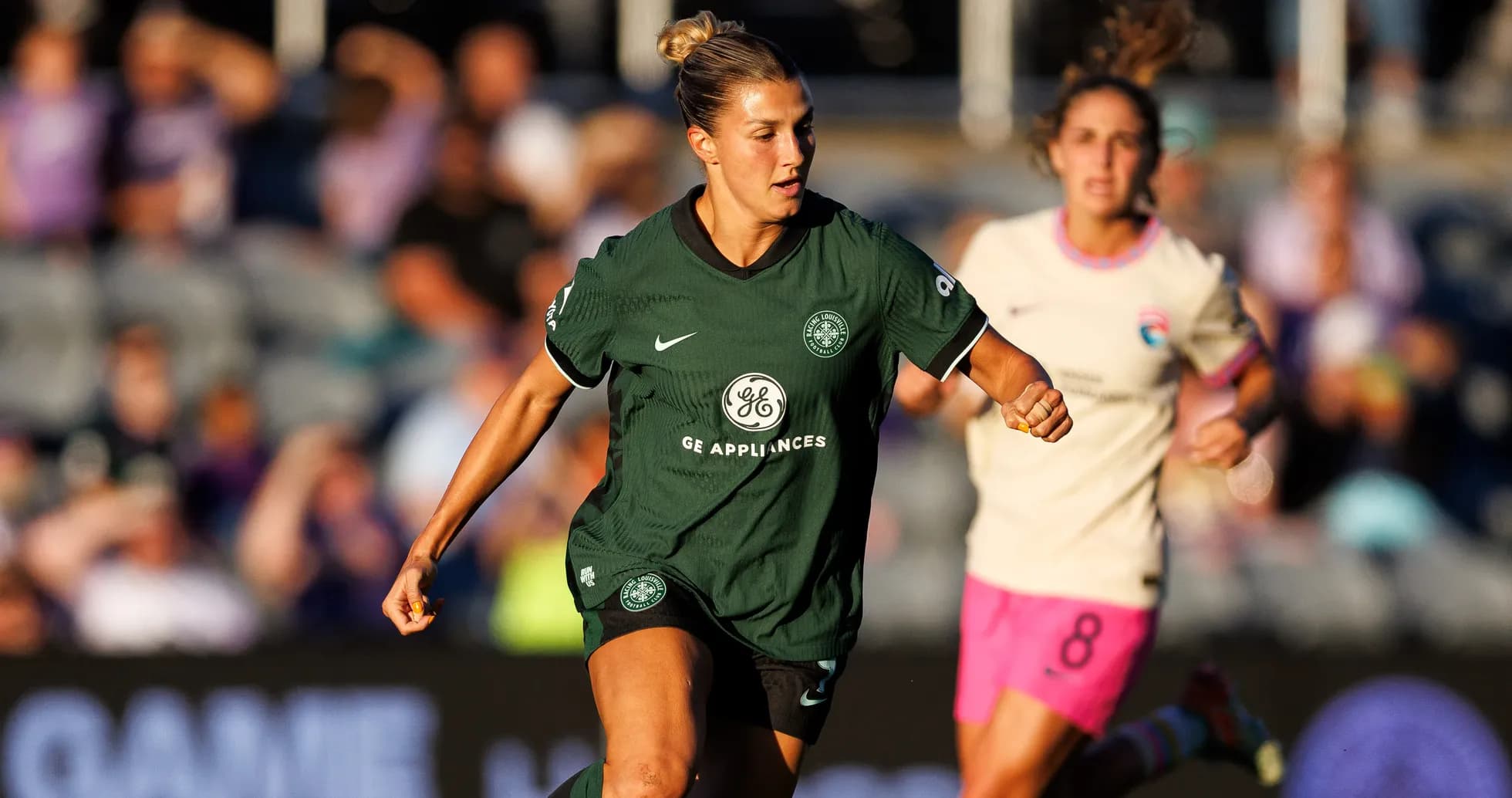
Under the lights at Lynn Family Stadium, this Group Stage tie in the NWSL Women carried the feeling of a crossroads. Racing Louisville W came in as the league’s strugglers, 15th in the table with 23 points and a goal difference of -16, their form line an unforgiving “LLLLL”. San Diego Wave W arrived as the hunters, 2nd with 48 points and a positive goal difference of 11, eyeing the play-offs from a position of strength.
By full time, the gap in class was written clearly on the scoreboard: Racing Louisville 0–2 San Diego Wave, after a 0–1 half-time deficit. It was not just a result; it was a confirmation of the season-long patterns each side has carved.
I. The Big Picture – Identities Colliding
Racing’s season has been defined by fragility without the ball. Overall they concede 2.0 goals per game, with 51 allowed in 26 matches, and the late-game collapses are stark: 25.00% of their goals conceded arrive between 76–90 minutes, and another 22.92% between 46–60. The attack, at 1.3 goals per game overall, has not been able to mask that defensive leak.
San Diego, by contrast, are built on control and timing. Overall they score 1.5 goals per game and concede just 1.0. On their travels they average 1.4 goals for and 1.0 against, a profile of a side comfortable managing away fixtures. Their offensive peak is late: 25.71% of their goals arrive from 76–90 minutes, dovetailing ominously with Louisville’s tendency to unravel in that same window.
The formations on the night told the story of intent. Kim Björkegren rolled the dice with a 3-4-1-2: J. Bloomer behind a back three of E. Jean, A. Wright and M. Gacioch, with a broad midfield band of R. Hill, L. Milliet, K. O’Kane and Makenna Morris. Ahead of them, M. Hodge sat in the pocket behind the front two of S. Weber and K. Fischer. It was a shape that promised vertical thrust but demanded defensive perfection from a team that has rarely delivered it.
Jonas Eidevall’s San Diego answered with a 4-2-3-1, the season’s defining template for them. Sandra Paños anchored a back four of A. D. Van Zanten, K. Wesley, K. McNabb and P. Morroni. The double pivot of K. Dali and K. Ascanio offered both distribution and bite, while the attacking trio of M. Barcenas, Luisa Agudelo and G. Corley buzzed behind lone striker T. Byars.
II. Tactical Voids and Discipline
Racing’s decision to go with a back three exposed their biggest structural weakness: transitions into the channels. With wing-backs Hill and Morris pushed high, Jean and Gacioch were often dragged wide, leaving Wright isolated in central cover. Against a Wave side whose goals are spread across phases—20.00% between 46–60 minutes and 25.71% from 76–90—this was a dangerous gamble.
San Diego’s discipline edge was also written into the season data. Louisville’s yellow-card curve spikes between 46–60 minutes (27.27%), exactly when games become stretched and their press loses cohesion. In that same period, Wave’s yellow distribution is more even, with a late-game rise (23.08% from 76–90) that reflects controlled aggression rather than panic.
Individually, Racing’s emotional heartbeat is often K. Fischer. She leads the league’s yellow-card charts with 6 bookings, a by-product of her relentless duel volume (222 duels, 95 won) and her role as both creator and disruptor. On the opposite side, Perle Morroni and Kenza Dali also sit on 6 and 5 yellows respectively, but within a more stable defensive framework that allows them to foul tactically rather than reactively.
III. Key Matchups – Hunter vs Shield, Engine Room
The most decisive duel was always likely to be T. Byars against Racing’s back three. Byars has 9 goals and 2 assists this season, from 27 shots and 18 on target, and her movement between the lines is ideal against a three-centre-back system that struggles to pass runners on. With Dali and Agudelo threading passes, Byars repeatedly pulled Wright away from the centre, opening seams for late runners.
Behind her, Luisa Agudelo is one of the league’s most quietly influential creators: 4 assists, 5 goals, 32 key passes and an 81% pass accuracy from midfield. She also brings 27 tackles and 2 blocks, making her both the scalpel and the shield. Her missed penalty this season (1 miss, 0 scored) underlines that she is not flawless from the spot, but in open play her decision-making is consistently sharp.
On Louisville’s side, the creative burden fell heavily on Fischer and M. Hodge. Fischer’s 4 goals and 4 assists, plus 20 key passes, mark her as Racing’s primary spark, but she is often forced to carry the ball into traffic due to limited support structures. Hodge, who has blocked 5 shots this season, is more of a stabiliser than a pure 10; in a 3-4-1-2 she had to connect lines and counter-press, a taxing dual role against San Diego’s technically secure midfield.
The flanks were another critical battleground. Morroni, with 64 tackles, 4 successful blocks and 27 interceptions, is one of the league’s most aggressive full-backs. Her duel with S. Weber and the overlapping runs of Hill determined whether Racing could turn their wing-backs into weapons or would instead be pinned back. More often, Wave’s full-backs and wingers forced Louisville’s wide players into a back-five, blunting their attacking edge.
IV. Statistical Prognosis and Tactical Verdict
Heading into this game, the numbers already leaned heavily toward San Diego. Overall, Racing’s 35 goals for and 51 against (a -16 goal difference) contrasted sharply with Wave’s 38 scored and 27 conceded (a +11 goal difference). At home, Louisville’s 1.5 goals for and 1.5 against per game suggested they could trade blows, but San Diego’s away profile—1.4 goals scored and just 1.0 conceded—hinted at a side capable of suffocating the contest.
The minute-by-minute distributions were the critical intersection. Racing concede 25.00% of their goals from 76–90 minutes; San Diego score 25.71% of theirs in that same late stretch. In tactical terms, this meant that even if Louisville survived the opening waves, the final quarter-hour would tilt toward Wave’s pressing and counter-attacking machine, especially as Björkegren’s side tired.
San Diego’s penalty record added a curious wrinkle: 2 penalties taken, 2 missed, 0 scored. They cannot rely on spot-kicks to tilt tight matches, so their open-play structure must carry them—and it did here. Louisville, conversely, are perfect from the spot this season (4 from 4), but their inability to reach those high-leverage zones regularly against top defences leaves that weapon holstered too often.
Following this result, the tactical narrative is consistent with the season’s arc. Racing Louisville’s 3-4-1-2 offered moments of promise but ultimately exposed the same defensive vulnerabilities that have haunted them all year, especially in transitions and late phases. San Diego Wave’s 4-2-3-1, powered by the movement of Byars, the craft of Agudelo and Dali, and the defensive steel of Morroni and Van Zanten, once again proved that structure and timing can turn a difficult away night into a controlled, two-goal victory.
In the end, this was less an upset and more a crystallisation: the league’s second-placed side executing their identity, and the 15th-placed hosts still searching for one that can survive at this level.
Related News
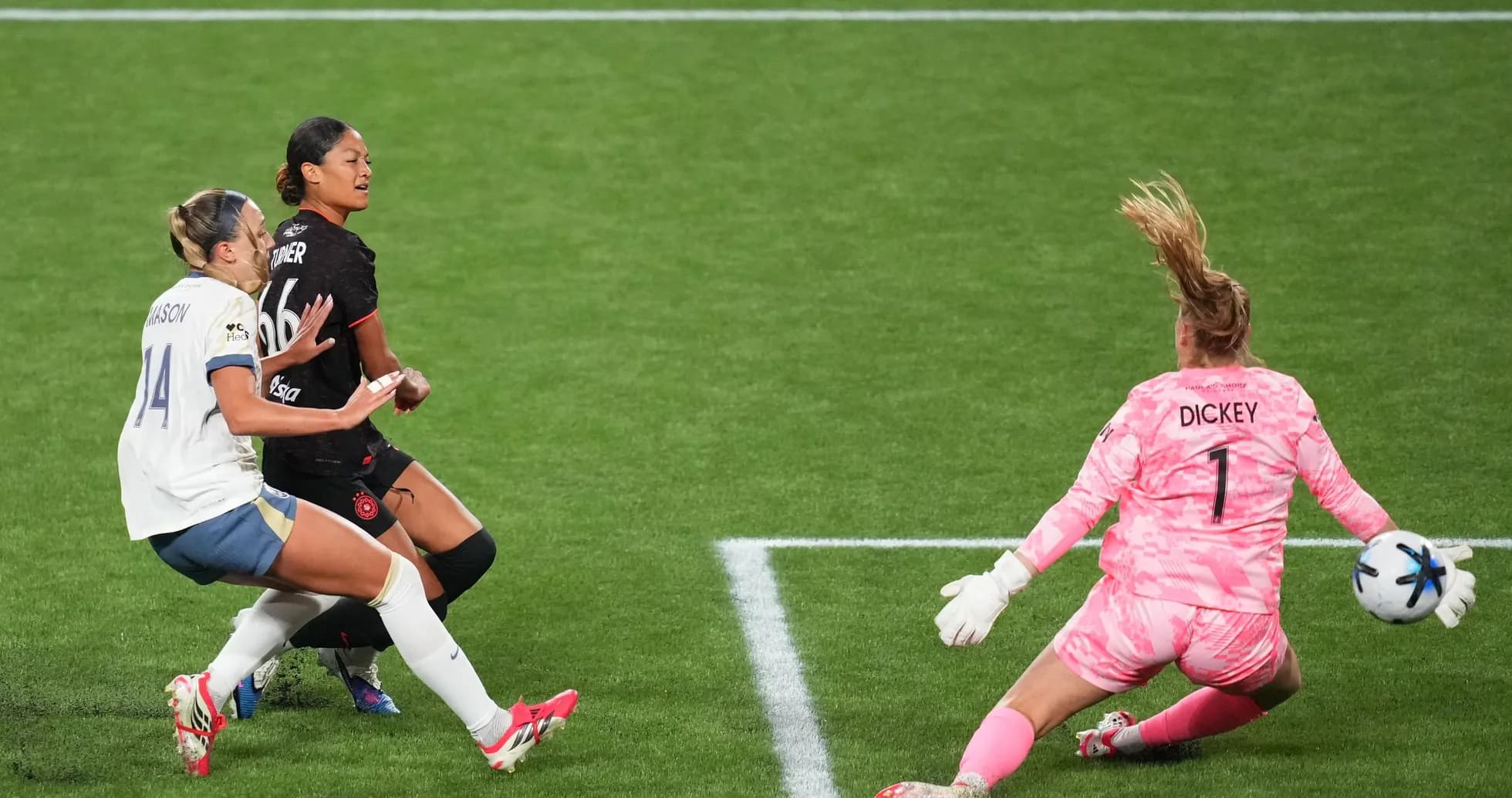
Portland Thorns Draw 1-1 Against Houston Dash in NWSL Clash
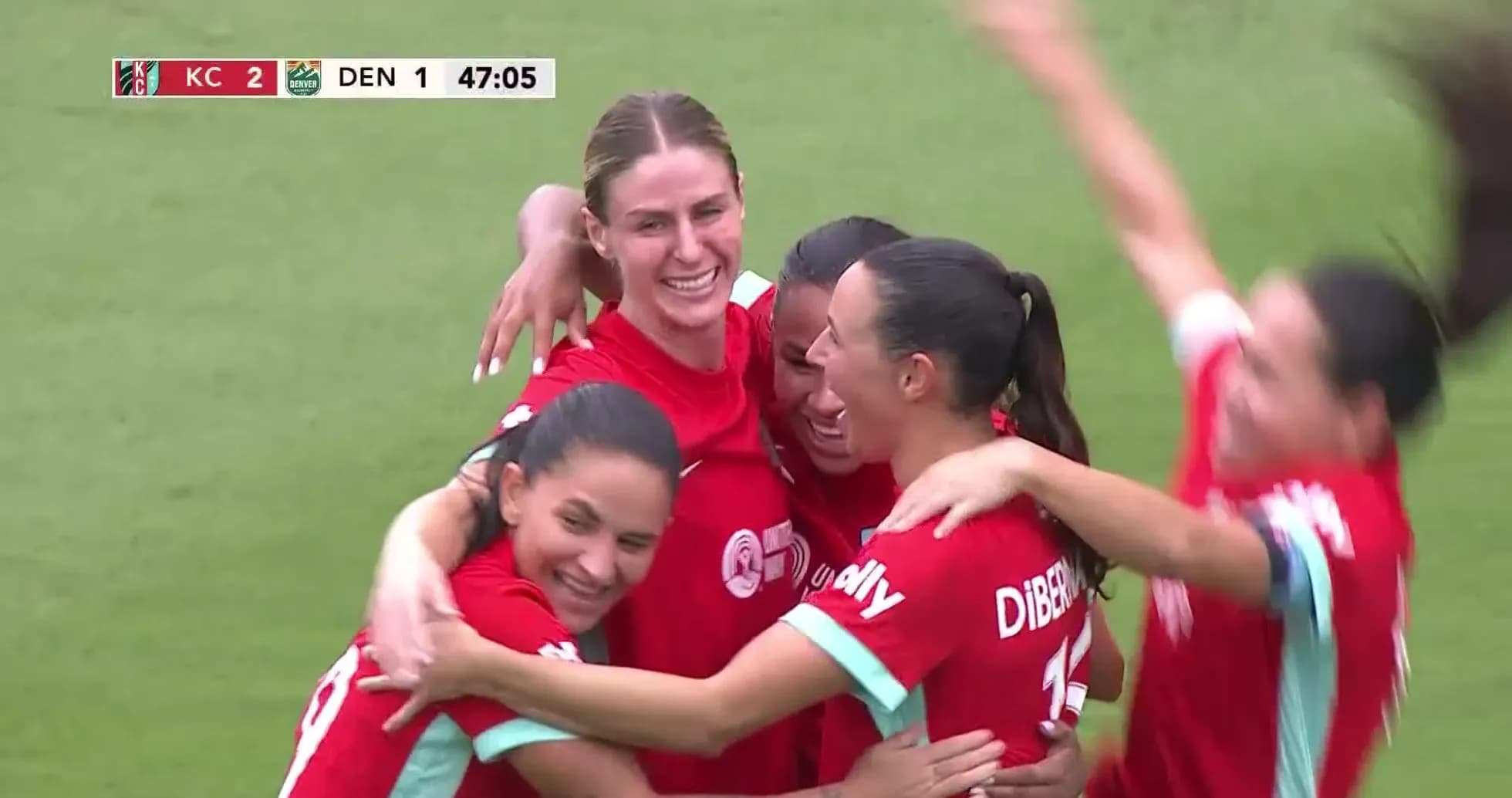
Kansas City W Dominates Denver Summit W in 4-1 Victory
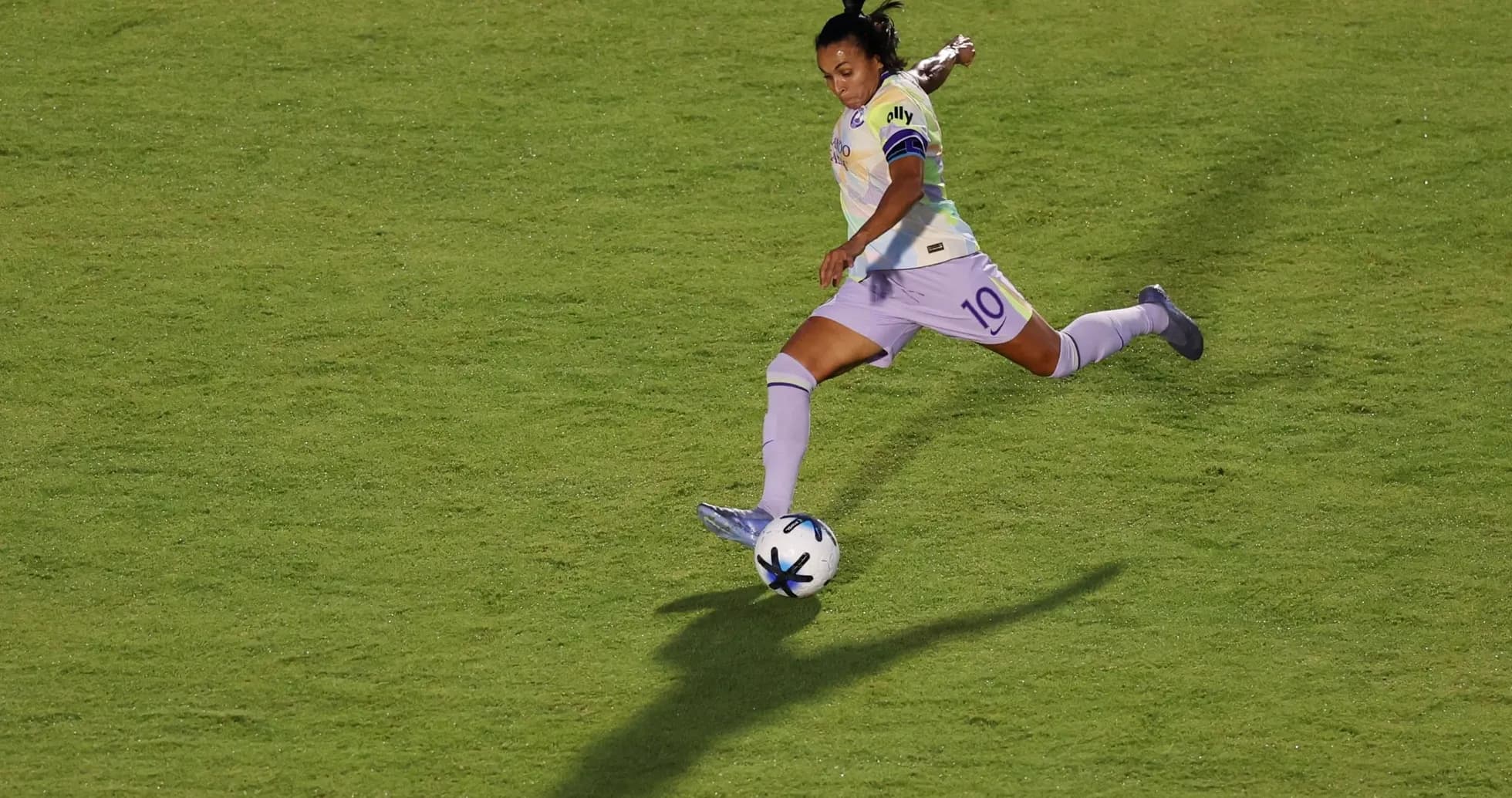
San Diego Wave W Secures 0-2 Victory Over Racing Louisville W
Bay FC W vs Orlando Pride W Predicted Lineups and Team News
Bay FC W vs Orlando Pride W: NWSL Women Group Stage Clash
Portland Thorns W vs Houston Dash W Predicted Lineups: Team News and Analysis